

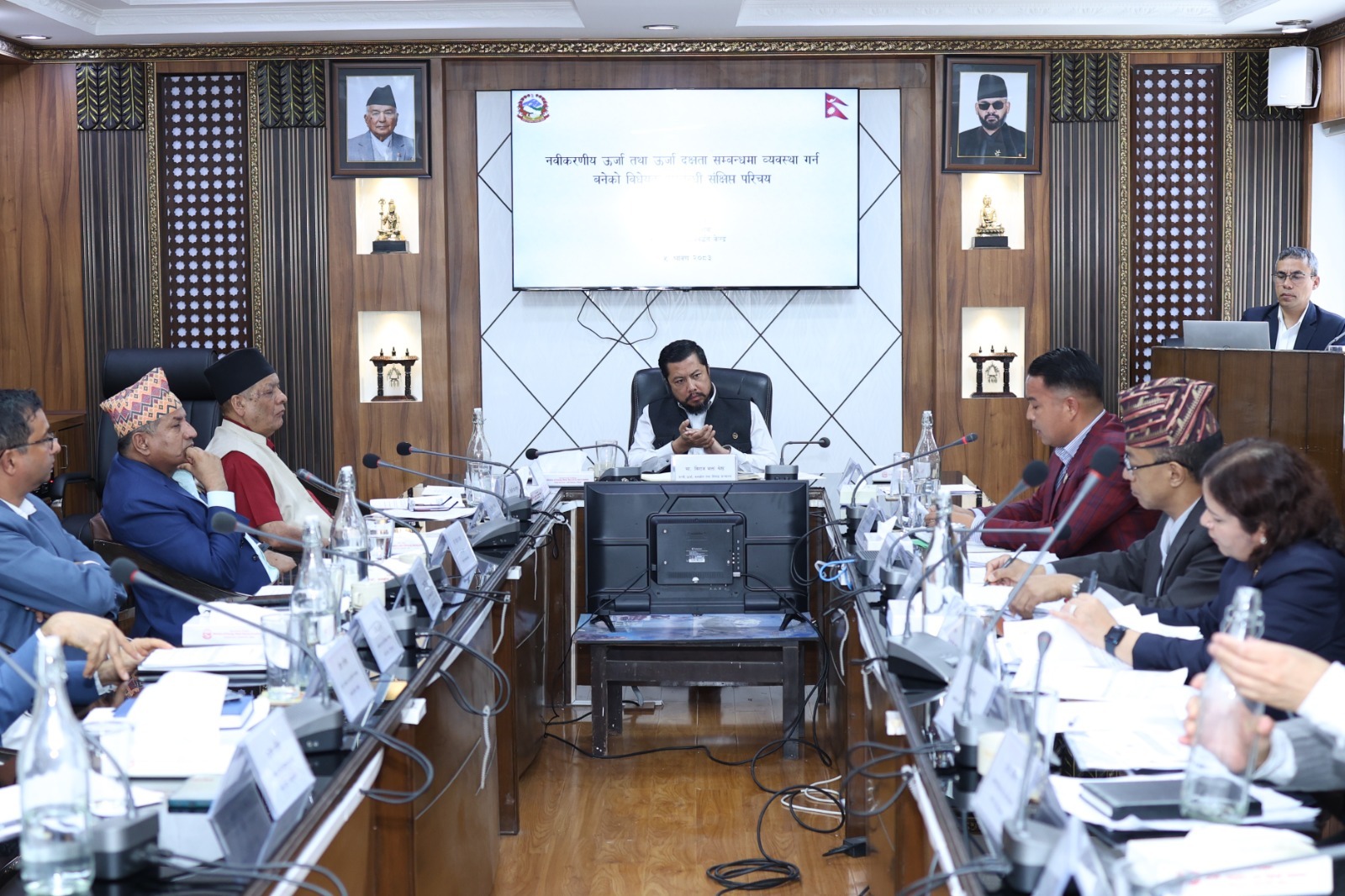
Kathmandu. Also speaking on the occasion, Minister for Energy, Water Resources and Irrigation Biraj Bhakta Shrestha stressed on the need of effective coordination, common ownership and result-oriented collaboration among the federal, province and local governments for the sustainable development of energy, water resources and irrigation sectors.
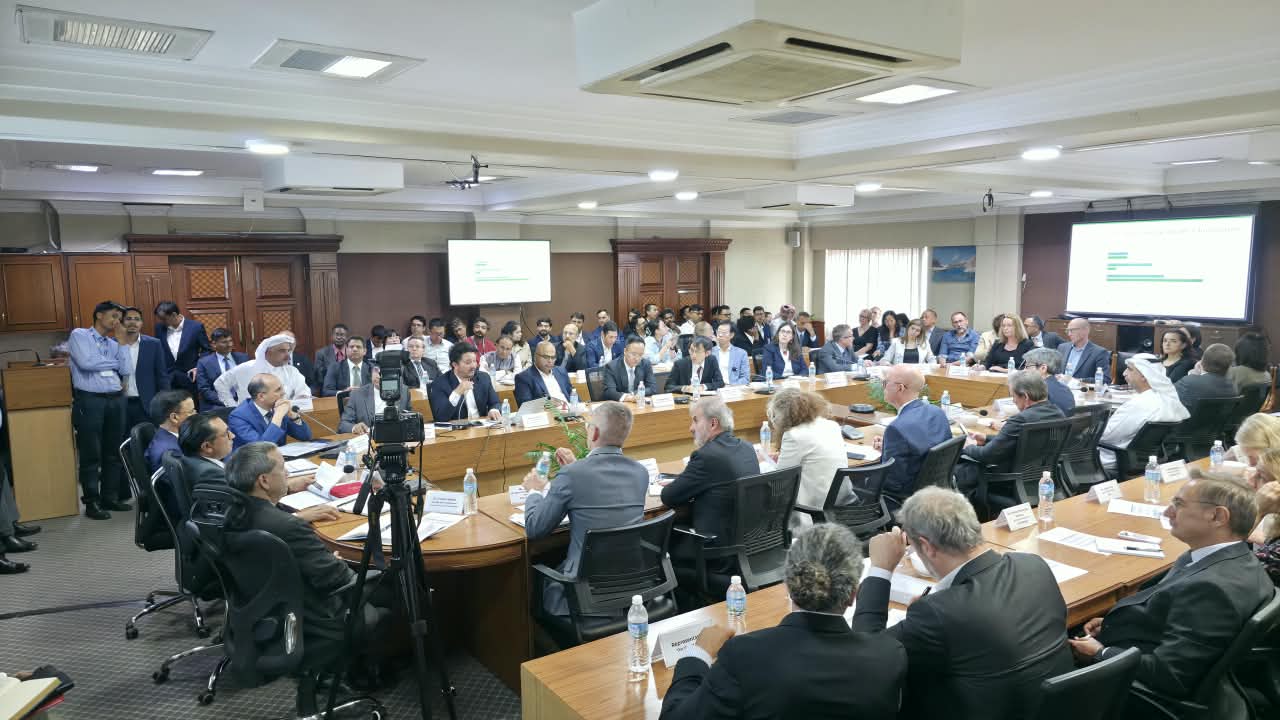
Addressing the thematic committee meeting of energy ministers and secretaries of all seven provinces organized by the Ministry of Energy on Tuesday, Minister Shrestha said that the goal of prosperous Nepal as envisioned by the constitution could only be achieved through collaboration among all three tiers of government.
He urged the stakeholders to utilize the meeting not only for discussions but also to prepare the basis for joint action plan, clear responsibilities, time-bound implementation and regular monitoring.
Minister Shrestha said that the government has adopted the policy of conserving rivers not only as a source of water but also as base of civilization, culture, biodiversity, environmental balance and human existence.
Stating that a scientific study would be carried out on the rivers of religious, cultural, ecological and social importance, he said it was the responsibility of the government to ensure a clean and perpetuated river system for the coming generations by preserving the tradition, culture and spiritual values of the indigenous communities linked with the rivers as the national heritage.
According to him, the process for formulating a new water resources policy and legal framework has been forwarded keeping the overall conservation, scientific management and sustainable use of the river at the centre. According to Minister Shrestha, the Ministry of Energy has been preparing to table the draft of Water Resources Bill in the current parliament session as per the spirit of federal system.
Stating that the constitution has given rights to all three tiers of governments regarding the use of natural resources, he said the province and local levels would be able to make necessary legal provisions within their jurisdiction once the bill is endorsed. Experience, suggestions and active participation from the state and local governments were very important for this, he said, adding that the Ministry was committed to formulating laws ensuring ownership of all levels.
Underlining the need of formulating an integrated plan to expand irrigation facility in arable land throughout the year, making easy availability of seeds and fertilizers and marketing of agriculture products, he said that project selection and resource management would be more effective if necessary projects were proposed at the federal level on time.
Stating that the Ministry has brought the Renewable Energy and Energy Efficiency Bill, Minister Shrestha said that the legislation would prepare a clear legal basis for the promotion of energy efficient technology, reduction in production cost, promotion of clean energy and development and regulation of renewable energy such as green hydrogen, solar, wind and biomass.
Minister Shrestha said the ministry was willing to further collaborate with the state and local governments in the expansion of micro and small hydropower, solar and biomass energy among other renewable energy.
He pointed out the need of keeping the expansion of irrigation facility, river management, flood control, prevention of erosion, reservoir conservation and disaster risk reduction in common priority of all three levels.
Stating that climate change was no longer a single concern of a single level of government, he stressed that the federal, state and local levels should tackle it through common approach and common action plan.
The meeting also prioritized maintaining effective coordination among the federal, state and local levels for the development, utilization and conservation of water resources. The meeting also discussed the need for making necessary legal provisions for clearly allocating rights, responsibilities and responsibilities of all three tiers of governments in the development and operation of water resources projects.
Discussions were also held on the issues of systematizing the use, development and conservation of surface and underground water resources under the Water Resources Bill. The participants stressed the need to create an environment to implement the principle of integrated water resources development in practice.
The meeting also raised the issues of conservation, control of water quality and making pollution control effective to make water resources pollution free while maintaining its natural form. Necessary legal and institutional arrangements, especially for the protection of groundwater resources and water recharge areas, have been stressed.
Likewise, discussion was held on the bill related to renewable energy and energy efficiency to take forward the federal, state and local levels in a coordinated manner. It is stated that a clear role and effective coordination among the three tiers of government is necessary for the promotion of renewable energy, energy efficiency enhancement and implementation of related programmes.
Likewise, the meeting also discussed the need for allocation of rights and responsibilities among the federal units in the development and operation of large hydropower and hydropower projects and formulation of necessary federal legal provisions for mutual coordination.
The meeting is expected to prepare a basis for making the coordination among the federal, state and local levels more effective for the sustainable use, conservation and development of water resources, expansion of renewable energy.











प्रतिक्रिया दिनुहोस्