

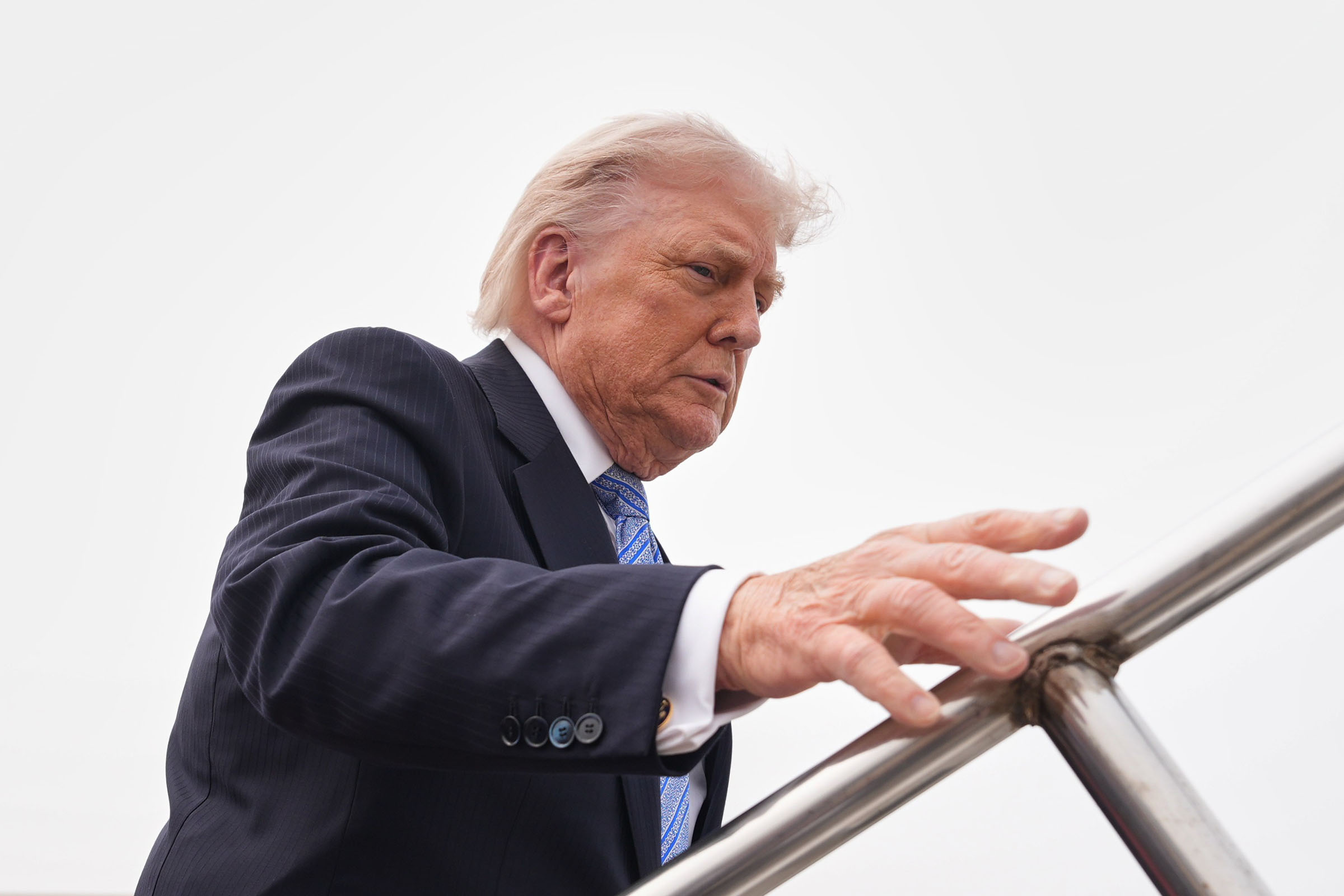
Kathmandu. Tehran and other areas were hit again on Wednesday by the U.S. airstrikes, amid claims that $37.5 billion has been spent on the war with Iran. At the same time, Iran has activated its air defense system and tensions between the two sides have escalated.
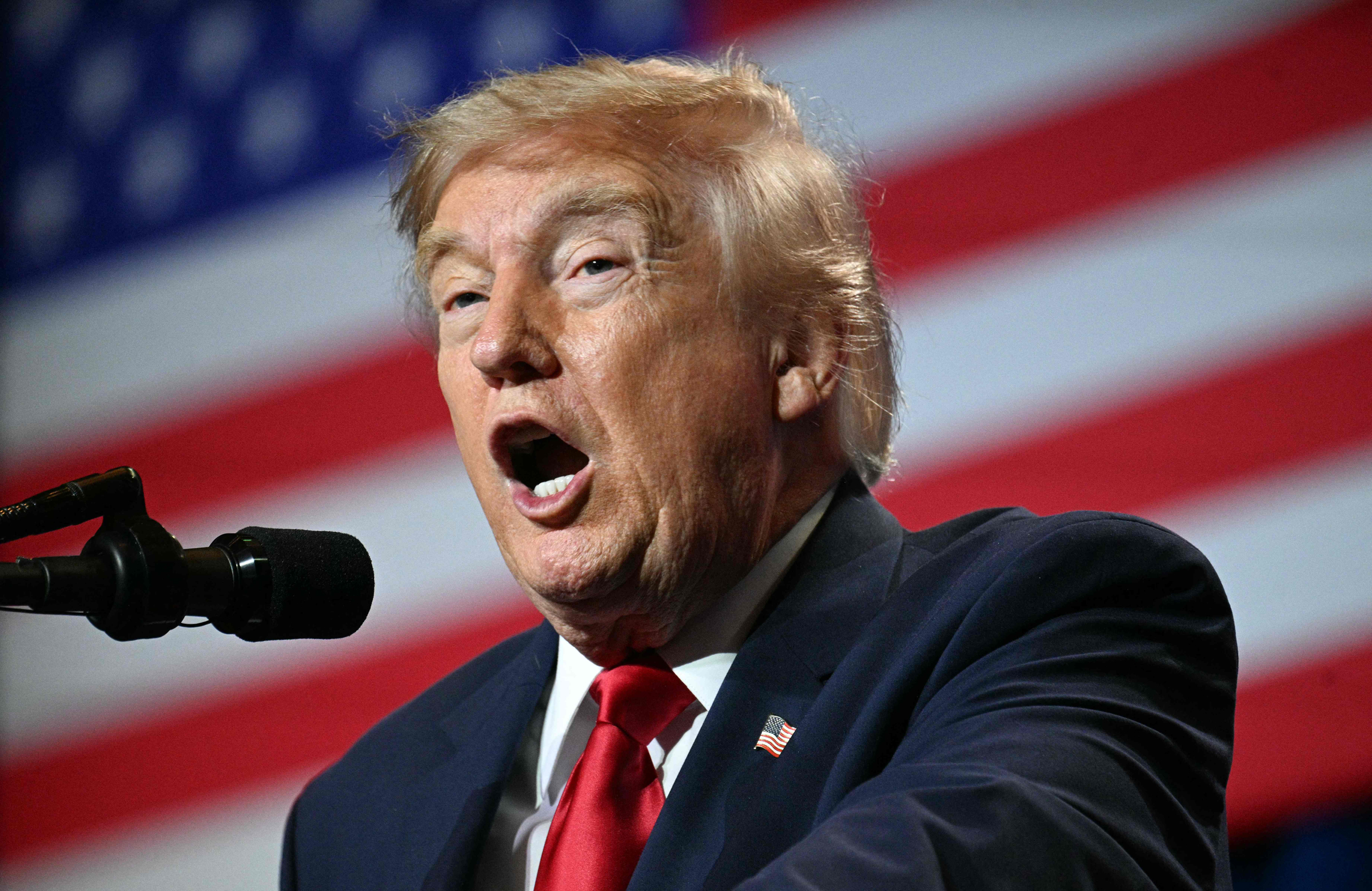
US President Donald Trump has said that the war is not over and there is no time to stop the military action now. Pete Hegseth, the head of the U.S. Department of Defense, said $37.5 billion had already been spent on the war and that billions more dollars were needed for the military.
The U.S. military confirmed its eleventh consecutive night of attacks on Iran, saying it targeted military logistics to undermine Iran’s ability to threaten merchant ships operating through the Strait of Hormuz.
Iran’s state media said several areas were attacked, including in Bushehr, where the nuclear power station is located, and air defenses were activated in the west, east and northeast of Tehran.
The conflict in the Strait of Hormuz has spread to other strategic sea lanes in the Middle East. This has created more uncertainty in global oil supply and international energy markets, the analysis said.
Trump hinted at another possible US target could be an underground nuclear complex called Pickaxe Mountain near Natanz. Western intelligence agencies suspect Iran is building an undeclared uranium enrichment facility in the region.
In response, Iran has threatened to attack the interests of the US and its allies. The Khatam al-Anbiyah military command said the new US offensive would be treated as an escalation of a regional war and would be retaliated by attacks on the assets of the US, its allies and supporters.
Kuwait said on Wednesday that its air defence system had neutralized a drone attack that was said to have originated from Iran. Bahrain said it had stopped Iranian attacks, while Kuwait and Jordan said they had repelled drone and missile attacks. Iran’s military said it had targeted US air defence systems, radars and administrative installations in Kuwait and Bahrain.
Tensions have escalated after Iran-backed Houthi rebels in Yemen threatened to block Saudi ports. President Trump warned that if such an attempt was made, it would be met with a strong response. Saudi Arabia has also strongly condemned the Houthis threat.
Two tankers carrying crude oil have diverted to the Red Sea after leaving Saudi Arabia’s Yanbu port, maritime security company Vanguard Tech said. Analysts say that if the Houthis manage to block Saudi oil exports, it could have a serious impact on the global energy market.
Meanwhile, Iran’s Revolutionary Guards said two tankers trying to cross the Strait of Hormuz had burst into flames. Britain’s United Kingdom Maritime Trade Operations (UKMTO) said an unidentified projectile hit a tanker off the coast of Oman.
Although the war has intensified, diplomatic contacts have not completely stopped. Iranian Foreign Ministry spokesman Esmail Baqai said that talks are ongoing with the United States through mediation.
Pakistan Prime Minister Shahbaz Sharif met Iran’s Interior Minister Eskander Momeni and urged all parties to exercise restraint and refrain from further destabilizing the Middle East.










प्रतिक्रिया दिनुहोस्