

Today’s meeting is more than just a regular or formal event. This is a historic opportunity to sow the seeds of a new work culture between the government and the private sector.
For a long time, we have seen the tradition of making a list of problems and blaming each other. But today I am not here to give a talk or to hear a list of problems. I have come to find a concrete and practical solution to the problem.
During the preparation of the budget, I had regularly interacted with industrialists, businessmen, banking sector, investors, youth entrepreneurs and representatives of various chambers. On the basis of the valuable suggestions given by you, we have initiated historic structural reforms through the budget.
We have set a clear roadmap to repeal unnecessary and outdated laws, improve the investment climate, simplify and transparent tax system, increase ease of doing business, expand capital market and alternative financial instruments, regulate the labour market and build transparent governance through digital services. This year, 42 Acts directly related to the economy are in the process of being repealed or amended.
The Federation of Nepalese Chambers of Commerce and Industry (FNCCI), Confederation of Nepalese Industries (CNI), Nepal Chamber of Commerce and Industry (NCC) and other umbrella organizations of the private sector have welcomed the budget with open heart.
Now we have the same mantra and the same national agenda: “Invest, invest and just invest”
The Prime Minister himself is very serious about the issues of the private sector. He has been following up directly and immediately with my cabinet colleagues on key issues. The entire economic team of the government has come to a clear conclusion: Nepal’s economic transformation is possible only when our domestic and foreign investors are ready to expand investment, open new industries and increase production with high morale.
The three obvious outcomes we are aiming for:
1. Full Capacity Operation: The industries operating {{{}} should be able to make maximum use of their production capacity.
2. Seamless Business Expansion: Existing entrepreneurs should be able to expand and diversify their business with full confidence.
3. Create a new enterprise: Create a credible environment for the new generation, young entrepreneurs and investors to start new industries and ventures.
If we can make significant improvements in these three indicators, economic growth, job creation, revenue growth, and export promotion will automatically move at a new pace. Therefore, all our efforts and policies will be directed towards achieving these three results.
The government clearly understands its role. The government does not run the industry on its own; The government’s only job is to create an investment-friendly, well-governed and facilitative environment where entrepreneurs can run their industries without any hindrance.
In today’s workshop, I would like to ask you some practical questions with an open heart:
• Cost of production: Why is the cost of production of our industries high? What can be the immediate ways to reduce it?
• Full capacity: What are the real technical, financial or policy constraints that industries are not able to operate at full capacity?
• Investment hesitancy : Where is the new investment coming in? Why are investors reluctant to make decisions?
• Administrative and Legal Complexities: Where are the major knots of land acquisition, access to electricity and tariffs, labor, transportation, finance, raw materials, and markets? What procedure or law should be amended?
We want to find the answers to these questions not in the reports that are piled up in the drawer of any ministry, but in practice and results. Therefore, I heartily urge you to put forth my clear and sincere views in today’s discussion without any formality.
Remember, this is not a formal series that ends with just one meeting. These working meetings will continue until we achieve the results we have set.
We will move ahead by establishing a high priority in the Ministry of Finance to resolve every legitimate issue raised by immediately coordinating with the concerned ministries, departments and bodies. Now the files will not be stacked, a work culture will be developed to make quick decisions and solutions.
In addition, the implementation of economic reforms announced in the budget is also moving forward at a rapid pace. Necessary legal amendments, regulations, working procedures and institutional reforms will be implemented as per the time-bound schedule. The works of speeding up capital expenditure, expediting project implementation and strengthening the capital market and financial sector are moving ahead in parallel.
Let us take today’s meeting not as a regular discussion, but as a common workshop to usher in a new phase of economic transformation in Nepal. The industry sector should now take the lead from import-based consumption-oriented economy to an economy that displaces imports by domestic production and expands exports. It is time for us to work together to restore the industrial opportunities that Nepal has been missing for a long time.
“The investment made by the private sector will be completely safe, will get a fair return, and a favorable environment will be created for reinvestment.” The safety of entrepreneurs’ profits and assets will remain a top priority for the government, as we are absolutely clear that the success of the private sector is the success of the national economy. ”
The government will accelerate the pace of reform, remove obstacles, and continue to stand with the private sector. I again call upon you to invest with confidence, increase production, expand industries, start new enterprises and create jobs.
We all have the same goal – to build a self-respecting and prosperous Nepal through production, investment and entrepreneurship!
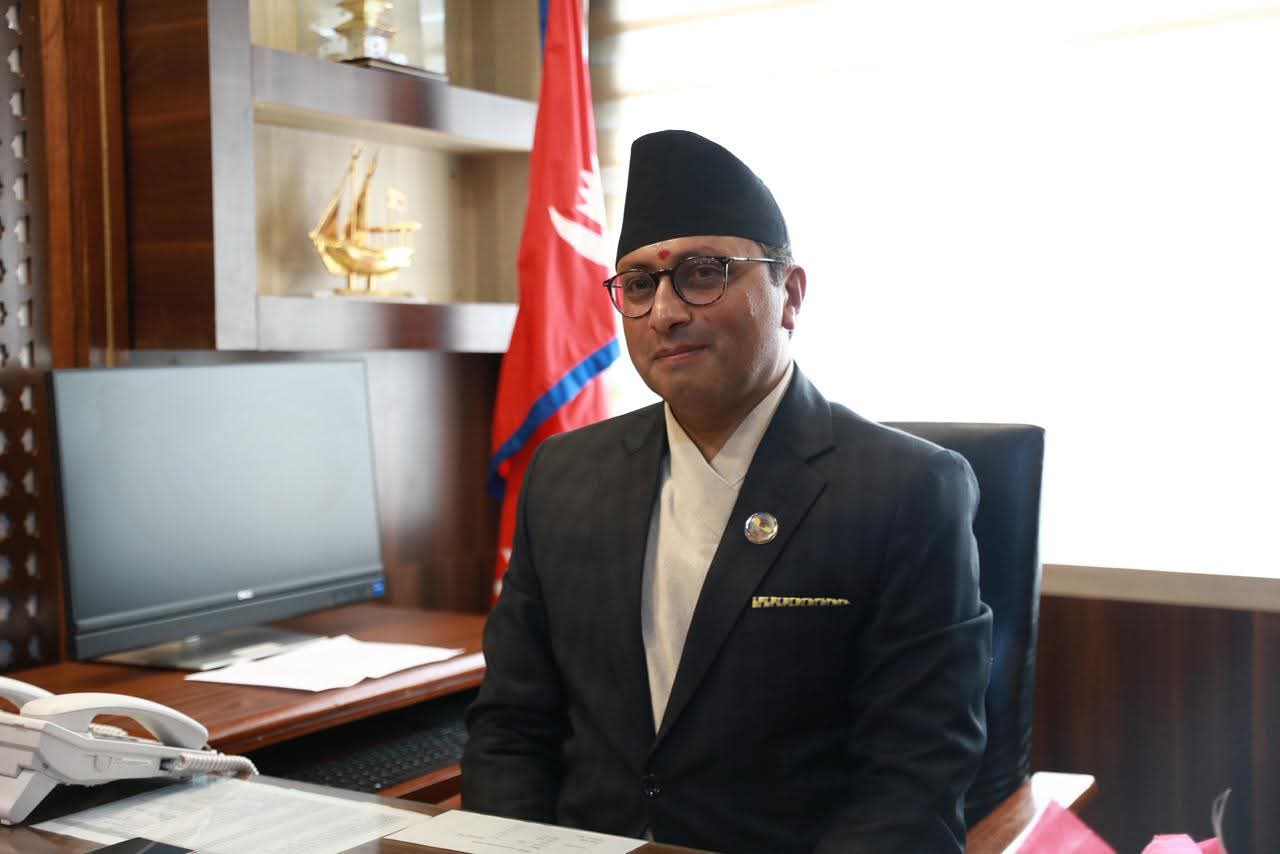
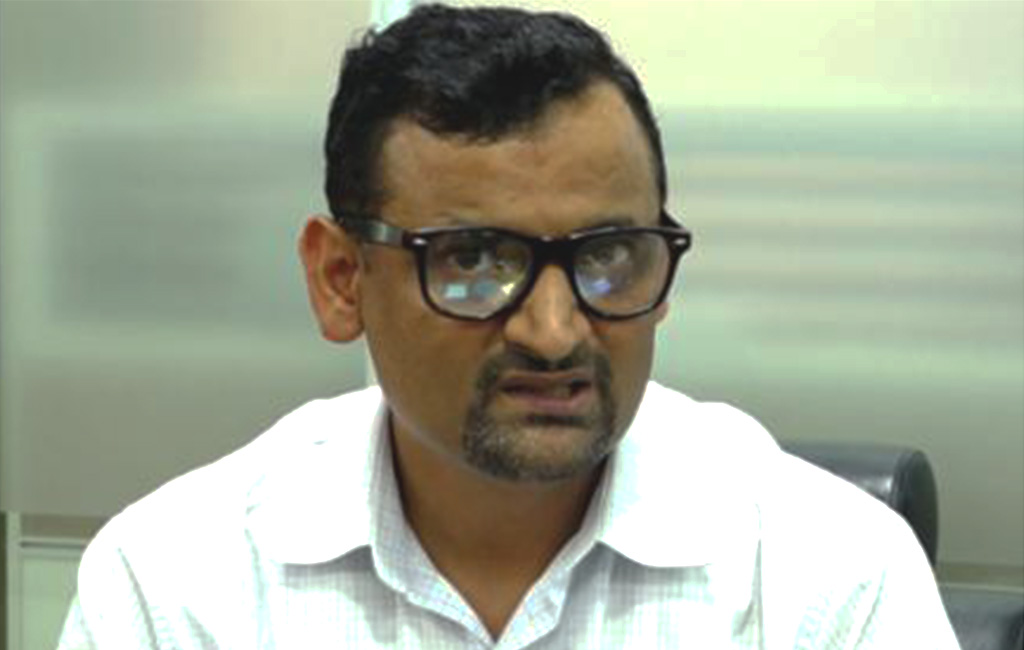
Finance Minister Dr. Swarnim Wagle addresses a special meeting with industrialists, businessmen and private sector representatives
}TAG_OPEN_strong_48










प्रतिक्रिया दिनुहोस्