

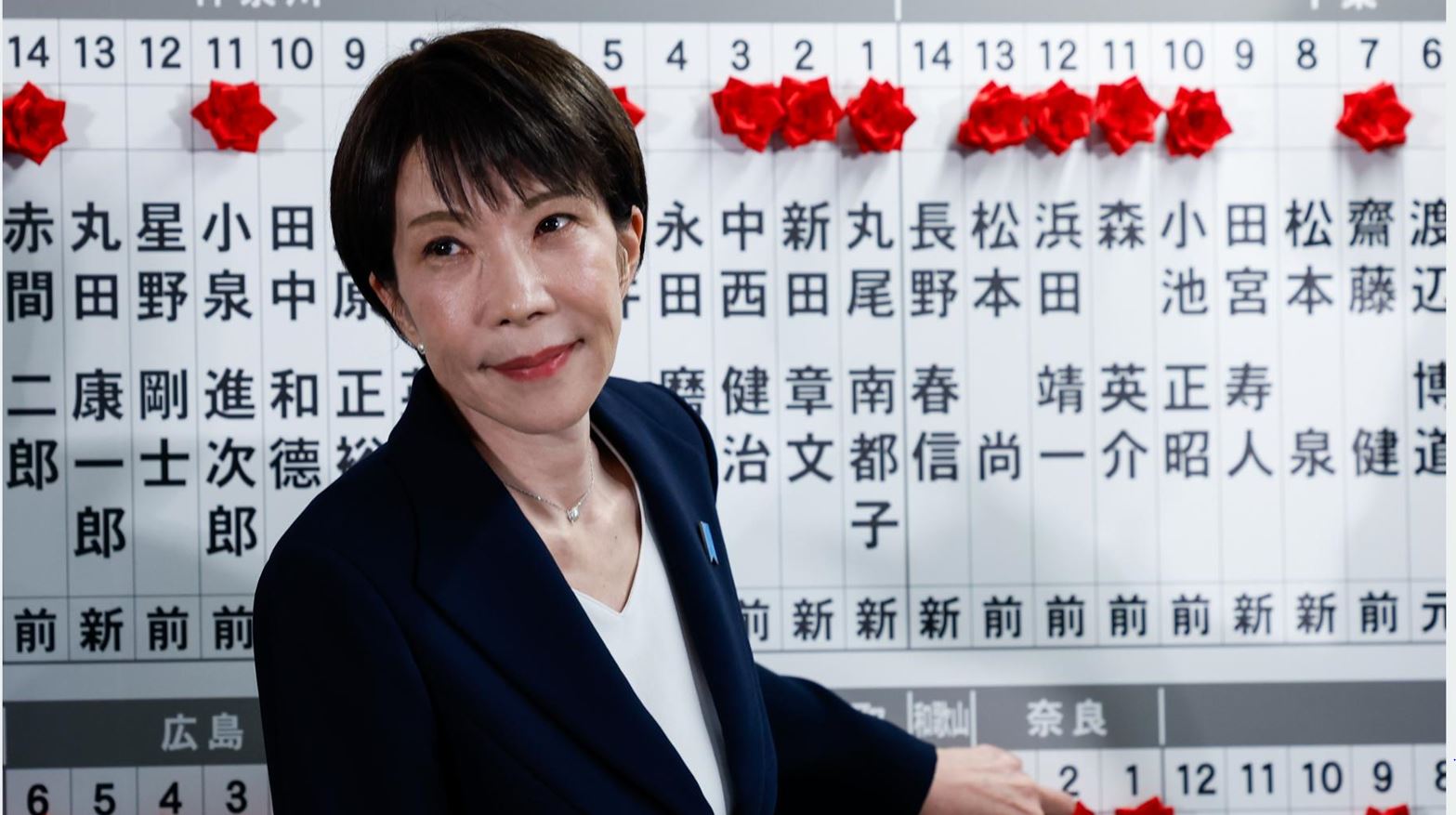
Kathmandu. Japan’s Prime Minister Sanayae Takaichi said on Thursday that the government will reduce the tax on food from 8 percent to 1 percent from April. His administration is trying to tame rising inflation.
“This is the first reduction since the tax was introduced in 1989 and two years later the rate will be back to 8 percent,” Takeichi told reporters. The move is aimed at easing cost-of-living pressures on the world’s fourth-largest economy, which has been exacerbated by wars in the Middle East and a weaker yen.
This comes despite concerns about Japan’s huge debt. Japan’s debt is the highest proportion of advanced economies, more than double its GDP. Since April, Japan has been trying to implement a policy of reducing the sales tax on food and beverages to one percent for two years, Takaichi said.
“The current rate will then be reintroduced in 2029, coinciding with the introduction of ‘more micro-subsidies’ targeted at low-income workers who have been squeezed by rising social insurance premiums,” she said.
Media reports estimate a loss of 10 trillion yen (about $61 billion) in tax revenue from the two-year cuts. In February, Takaiichi pledged to eliminate the sales tax on food and beverages entirely. It was the key part of his election manifesto that led his party to a landslide victory in the Lower House election.
On Thursday, she said the government would seek other tax relief measures to make up for lost revenue, such as a reassessment of aid programs. “The administration will aim to secure funds to win market confidence and not rely on special government bonds,” she said.










प्रतिक्रिया दिनुहोस्