

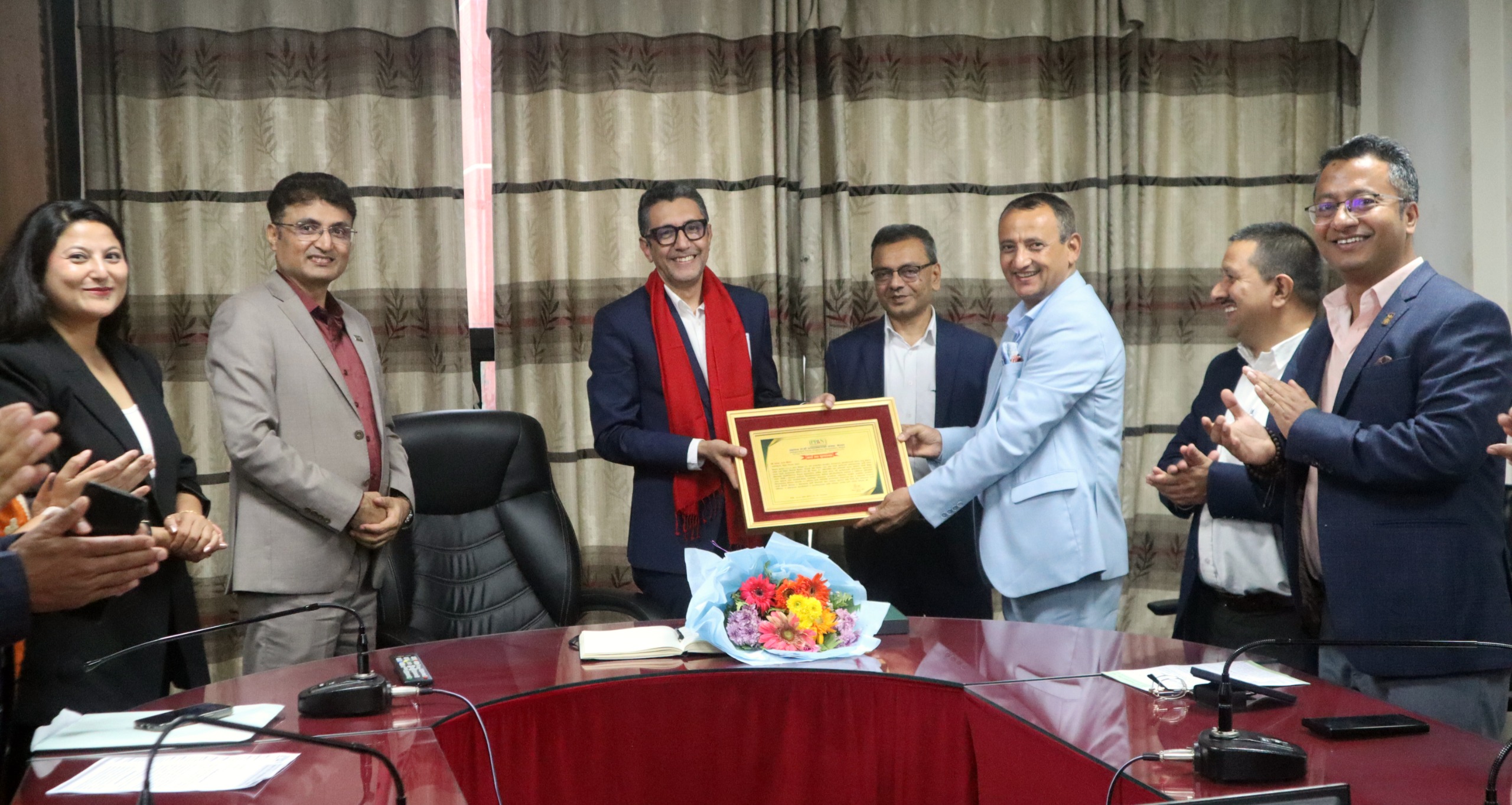
Kathmandu. Newly appointed Director General of the Department of Electricity Development, Sagar Raj Gautam, has said that the Department would work in collaboration with the private sector for the development of the electricity sector.
On the occasion when a team from Independent Power Producers’ Association, Nepal (IPPAN) reached the Department to congratulate Director General Gautam and wish him a successful tenure, Minister Khatiwada expressed commitment to move ahead by holding necessary discussions and collaboration with the private sector regarding the policy and implementation of the policy to be formulated by the Department.
Gautam said that the work of files coming to the department is being carried out in a speedy manner and added that the working system of the department would be made more efficient, effective and fast in the coming days. Stating that the private sector has an important role in the development of energy sector, he expressed the view that the private sector would move ahead by addressing the problems and practical difficulties as well.
On the occasion, IPPAN submitted 13-point suggestions and demands to Director General Gautam for improvement in various issues related to power generation, transmission, environmental clearance, license, project construction and electricity trade.
The IPPAN has stressed on the need for policy reforms in the optimum utilization of water resources and project development so as to support the government’s goal of producing 30,000 MW of electricity and exporting 15,000 MW of power in the next 10 years.
On the occasion, newly-appointed Director General Gautam expressed his commitment to make the Department’s working procedure more effective by taking suggestions and demands received from the private sector positively. He added that the Department would move ahead to resolve policy-level and implementation challenges in collaboration with the private sector in the power production and transmission sector.
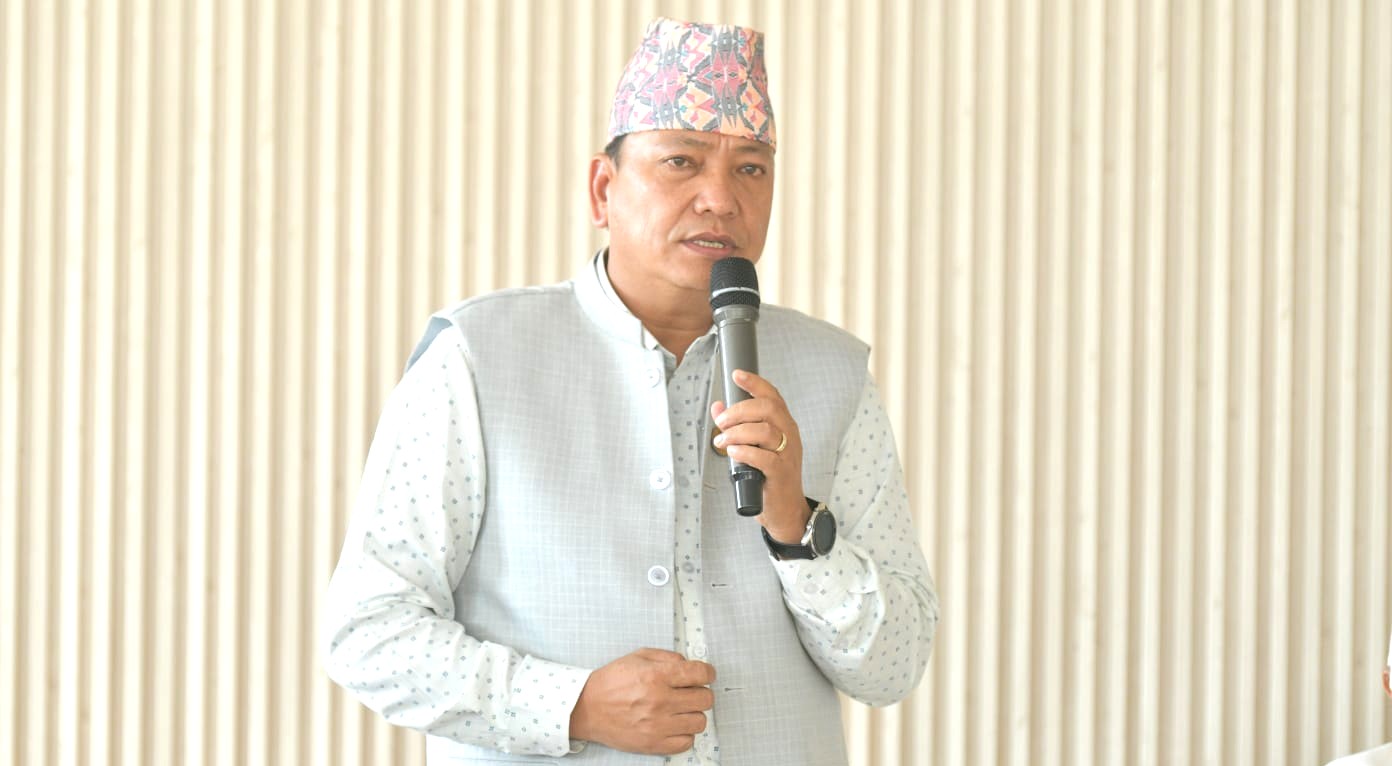
IPPAN Chairman Mohan Kumar Dangi said the Department should be more active and ready to facilitate the private sector as the Department is the first door for the private sector. He said that it would greatly help in the development of electricity projects if the license, approval and other processes from the Department could be made easy and time-bound.
Chairman Dangi pointed out the need of reforming the existing system of revoking the license if the financial management could not be made within two years of obtaining the license for power generation. He argued that it would be an injustice to the private sector to scrap the project license for lack of PPA at a time when many projects have not been able to manage the financing as the Nepal Electricity Authority (NEA) has stopped the Power Purchase Agreement (PPA) for long.
“The question of how to manage the finances in the absence of PPA is important,” Dangi said, adding, “It is not fair to revoke the license by giving responsibility to the private sector for the stalling of PPA.” ’
The IPPAN has demanded that the transmission line license should be issued simultaneously while issuing electricity generation license. According to IPPAN, the existing provision of obtaining license for generation projects and transmission lines through separate processes has created additional time and administrative complexities in project development.
Likewise, IPPAN has demanded that an integrated and time-bound process be implemented by removing duplication seen in the approval process from different divisions within the Department of Electricity Development. IPPAN has also suggested that the process of environmental study including environmental impact assessment and preliminary environmental assessment should be simplified, integrated and time-bound. Likewise, IPPAN has also demanded the government to ensure that the duration of the electricity generation license would be 50 years as per the provisions of the Electricity Act, 2049.
IPPAN has also demanded facilitation in the development of transmission infrastructure required for the construction of the project. According to IPPAN, the construction of common transmission lines should be encouraged for the projects to be constructed in the same river corridor and necessary coordination should be made among the projects in the development and operation of the transmission system.
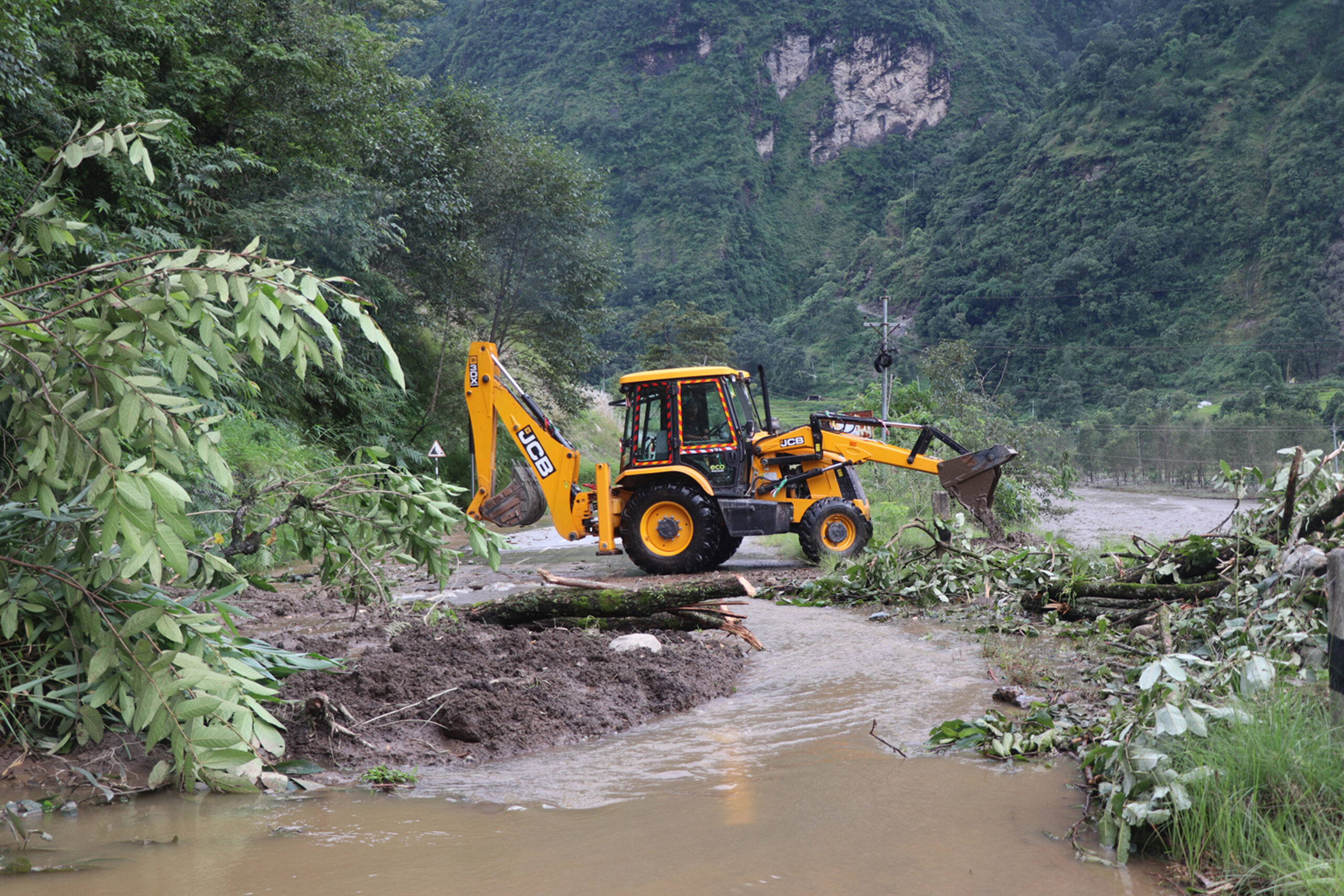
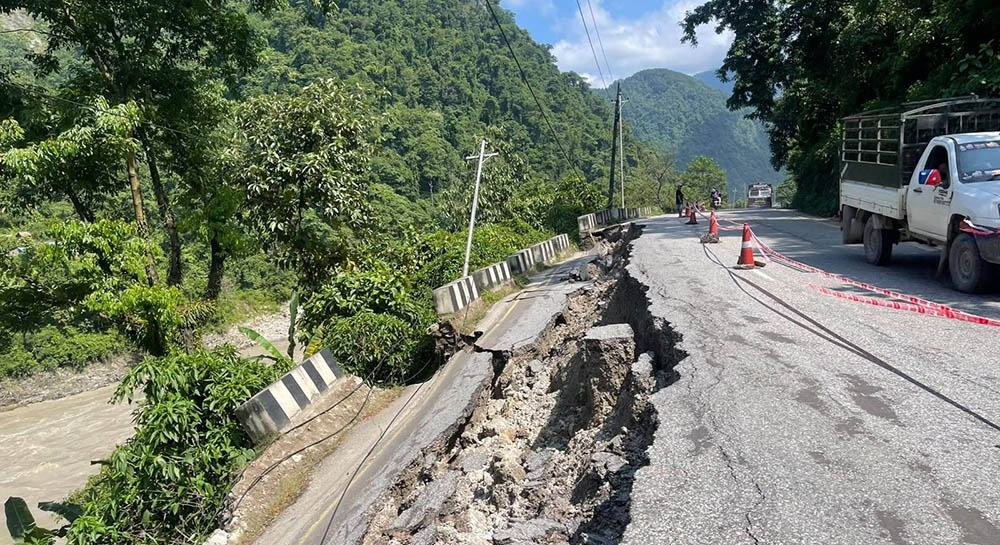
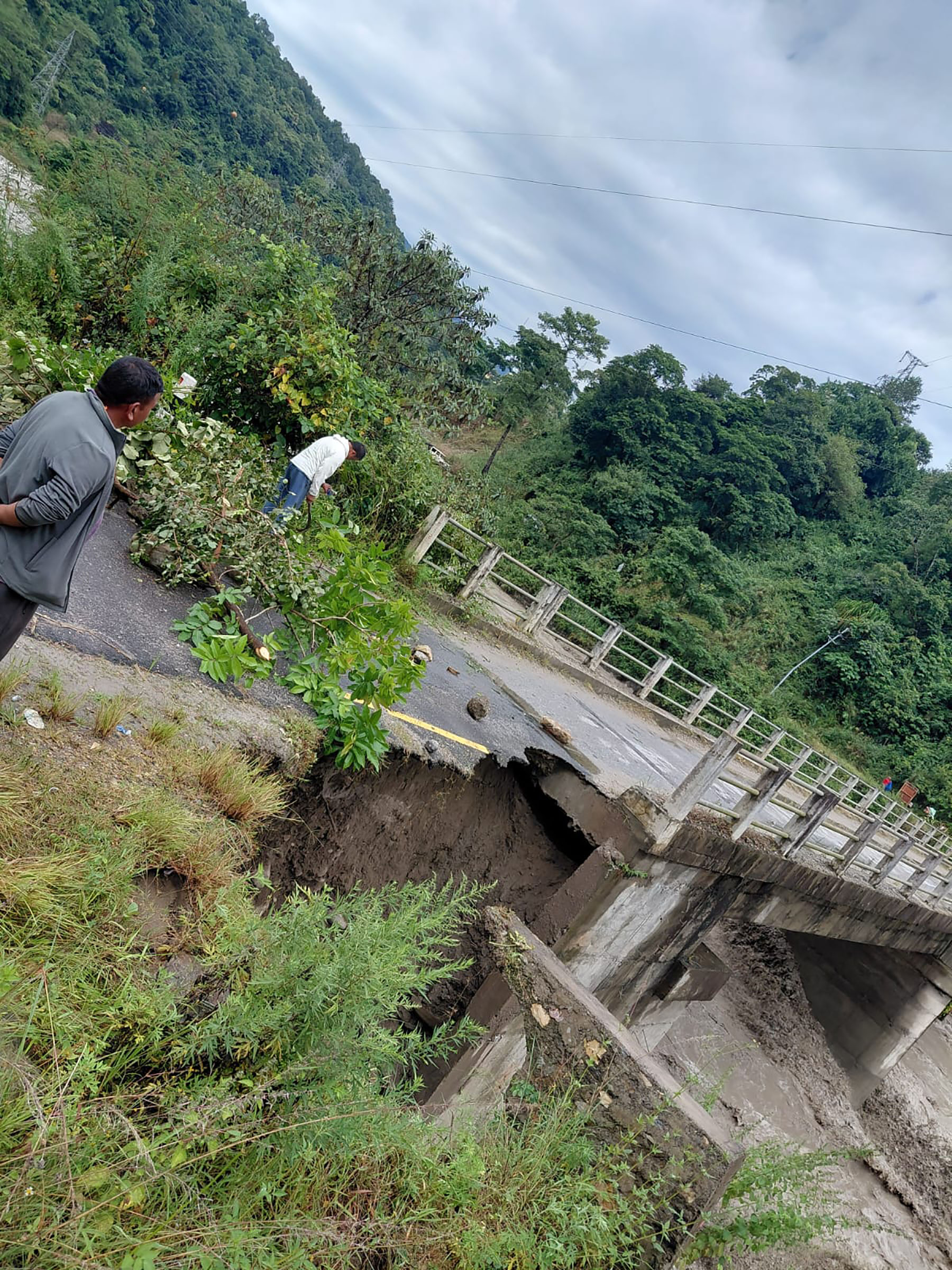
The EPPAN has also demanded extension of the license period for hydropower projects that have been severely damaged by floods and other natural disasters for at least two years and to waive customs and duties in the import of machinery and spare parts required for reconstruction.
Likewise, IPPAN has demanded that the bodies concerned should be directed and facilitated to forward other processes required for the construction of the project after the approval of the IEE-EIA. In case of a minor change in the design or form of the project, the duplication of the requirement of new IEE-EIA should be removed and the process should be completed through a supplementary environmental study.
IPPAN has suggested that the system of holding public hearings for the same project at different stages should be reviewed by integrating the process of environmental study and public hearing.
IPPAN has also demanded that the project survey license should be revoked due to environmental approval, government agency or force majeure. IPPAN has also demanded to end the tendency of fining people for insufficient details and to make arrangements to seek necessary details by coordinating with the concerned company.
In case of solar projects, the project should be constructed keeping in mind the design change during the construction of the project and the substation should be connected to the same substation and necessary facilitation should be made to the projects wishing to expand their capacity.
Likewise, IPPAN has demanded that such projects should be prioritized and necessary coordination should be adopted among the concerned projects in the context of development of large capacity storage projects in the same transmission corridor and appropriate compensation if the production or operation of the downstream projects are directly affected due to the Upper Ripple Storage Project.
Likewise, the IPPAN has also demanded to make arrangements for giving approval to the project by prioritizing the process of providing necessary concessions in case of delay in the project due to floods, environmental study, government bodies and force majeure.











प्रतिक्रिया दिनुहोस्