

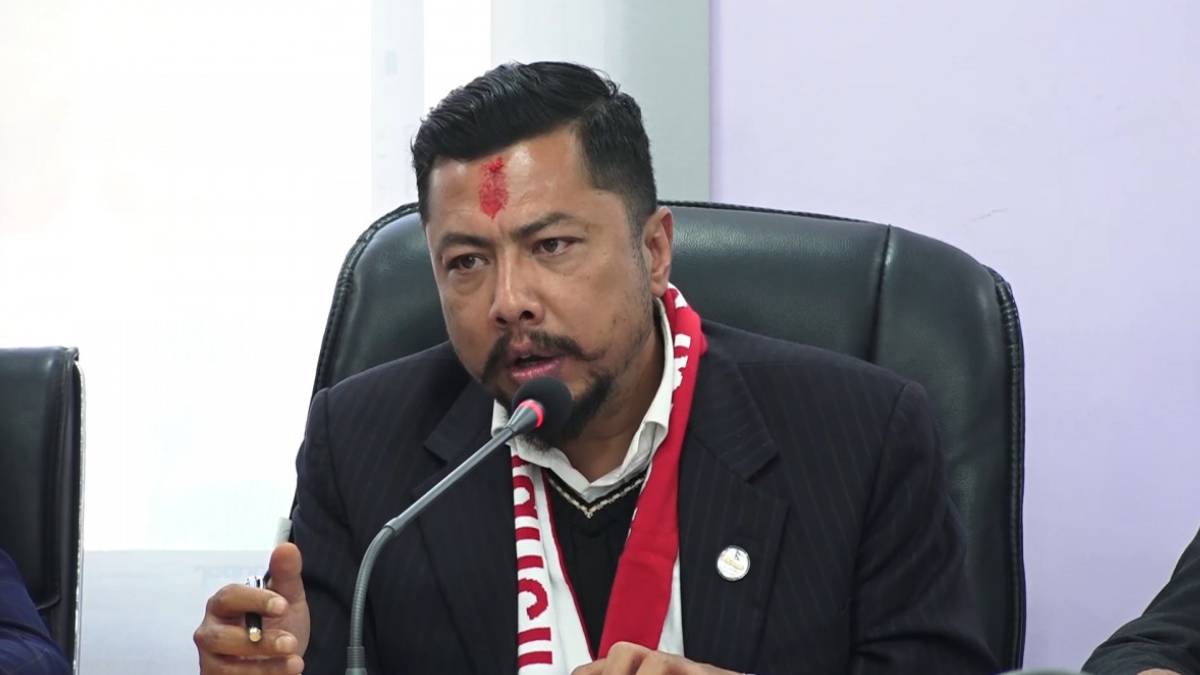
Kathmandu. Minister for Energy, Water Resources and Irrigation Biraj Bhakta Shrestha has said that the government should be prepared to deal with the El Niño crisis. He said that all agencies should be prepared to deal with the drought and dry spell caused by the impact of the very strong EnNino entering Nepal after 8 weeks.
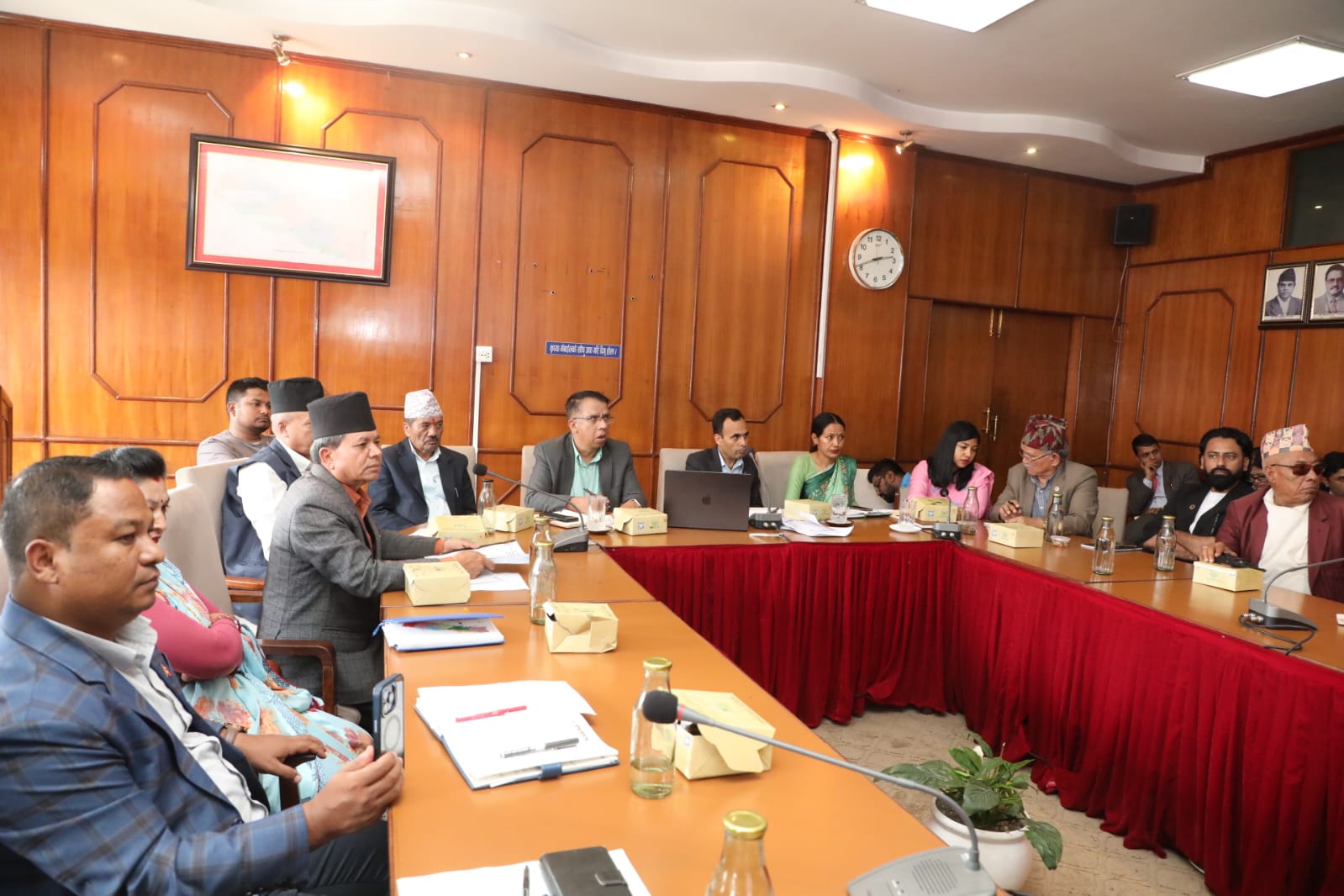
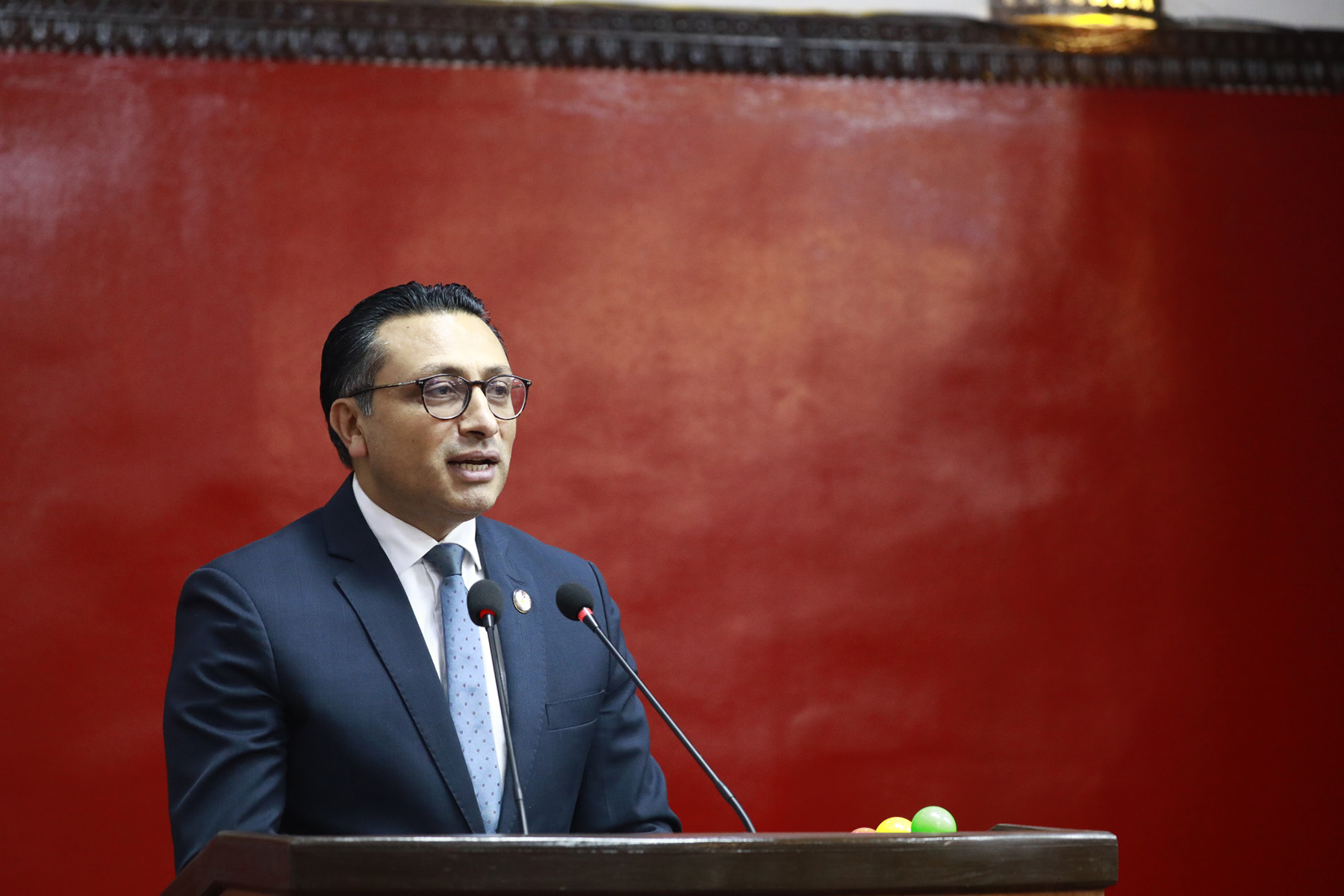
Addressing the National Symposium on Super El Niño and Climate Risk organized by the Water and Energy Commission Secretariat and the Department of Hydrology and Meteorology on Friday, Minister Shrestha stressed the need to remain alert on the serious impact of the El Niño, which is likely to be in effect from October to February, to affect Nepal’s hydropower, irrigation and overall food security. “It requires prior notice and preparation. In the absence of this, farmers suffer. But no one is untouched by this. When farmers are unable to focus on their produce, it has a direct impact on food security. Energy also has an effect. This is because most of the hydropower generation is run-of-river. However, there is no water in the dry season. What happens when the water recedes as a result? Or, on the other hand, what we can imagine is what will happen if our glacial lakes melt somehow? So it’s a serious issue,” he said.
According to the International Meteorological Agency (NOAA), the strongest El Niño so far this year has more than 90 percent probability and its impact will be seen from October to February.
This will have an impact on the power system, he said. Minister Shrestha said that there is a risk that Nepal’s hydropower production and electricity imports from India could be affected simultaneously as the peak time of El Niño coincides with the peak time of winter (November to April).
Minister Shrestha also expressed concern that since most of the irrigation systems are monsoon-based, there will be scarcity of water during the dry season which will have a big impact on the production of winter crops like wheat and barley.
Therefore, he said that work should be done on forecasting and preparedness. “Unlike sudden disasters, drought is a delayed disaster and instead of declaring the damage after the damage, advance planning and policy steps should be taken based on pre-determined criteria,” he said. He stressed that the ministries of energy and agriculture should work together to fight against this crisis.
Minister Shrestha said that Nepal was bearing the consequences of climate change caused by developed countries. “I also want to tell the international community that the news about the suspension of petrol at the Stage of Hormuz is very big. Nepal is facing the brunt of climate change and carbon emissions. It’s like poison that hasn’t been eaten. The international community should pay attention to this,” he said. “Climate change is an issue affecting the next generation, from the economy to energy,” he said. He said that everyone should be serious about this sensitive issue.
Minister Shrestha said that the Ministry of Energy has shown promptness in preparedness for a possible big disaster and the Department of Hydrology and Meteorology has made good preparations.
The Ministry has already prepared the Tarai-Madhes Drought Resilience Strategy in May to deal with possible crisis and the monitoring of underground water has started in 22 districts of the Tarai. He also directed the Water and Energy Commission to prepare a sectoral contingency framework before mid-October.
Minister Shrestha further said that the Energy Commission would set up hydro-energy dry monitoring mechanism in coordination with the Department of Water and Meteorology, Department of Irrigation, Department of Water Supply, Department of Electricity Authority and Department of Electricity Development.












प्रतिक्रिया दिनुहोस्