Avalanches caused by floods, low-lying coastal areas urged to be alert
लगानी न्यूज
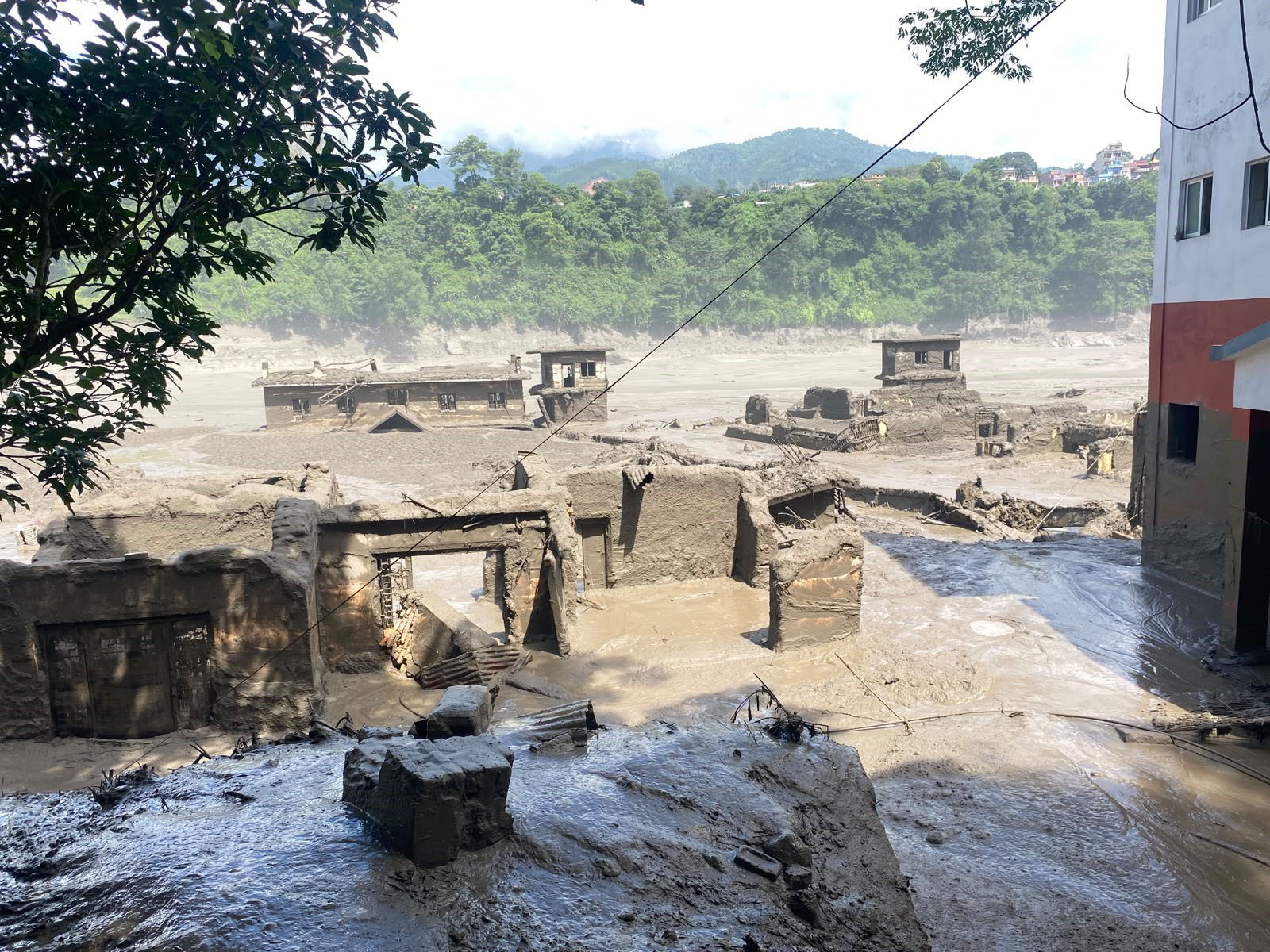
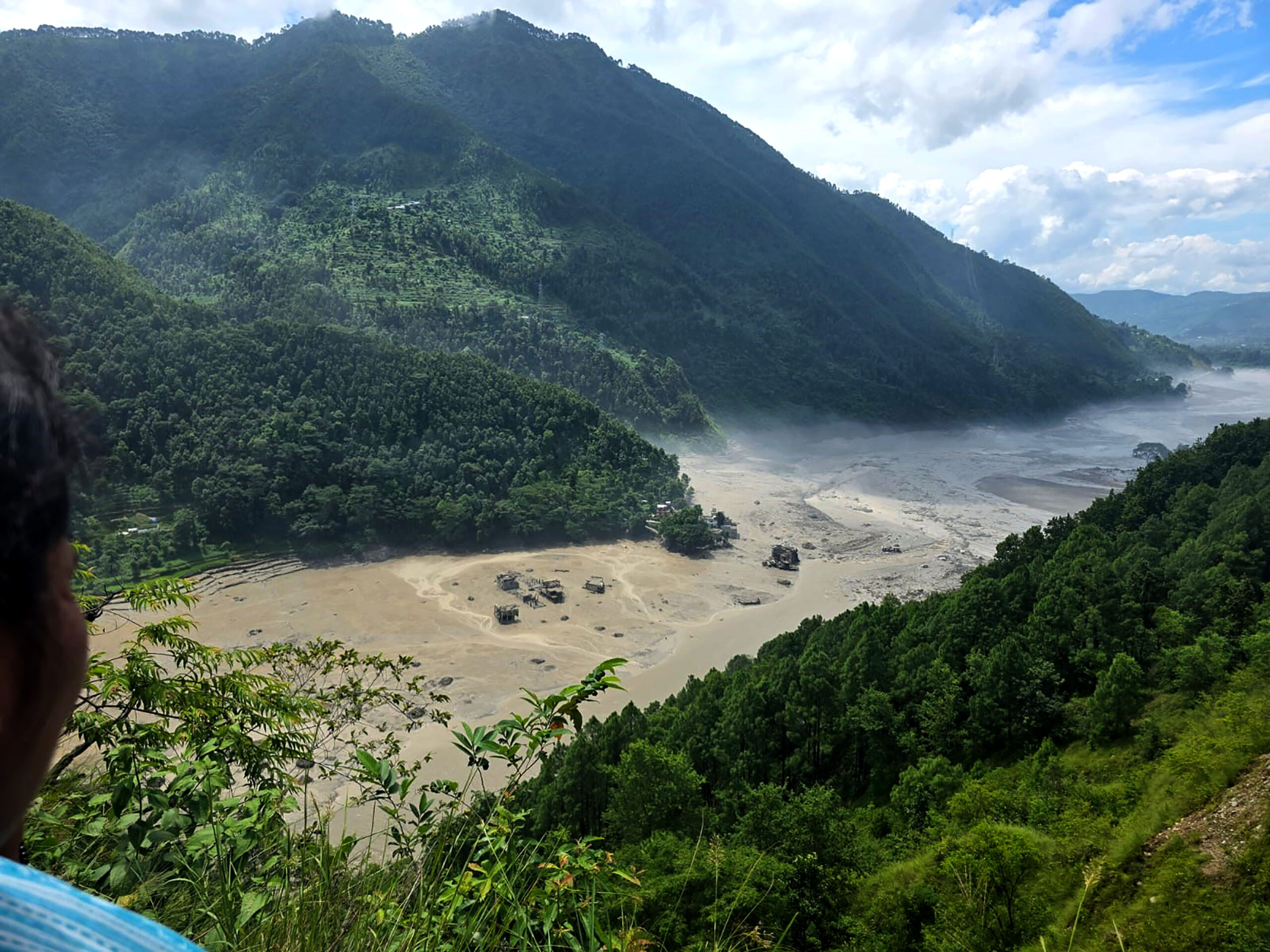
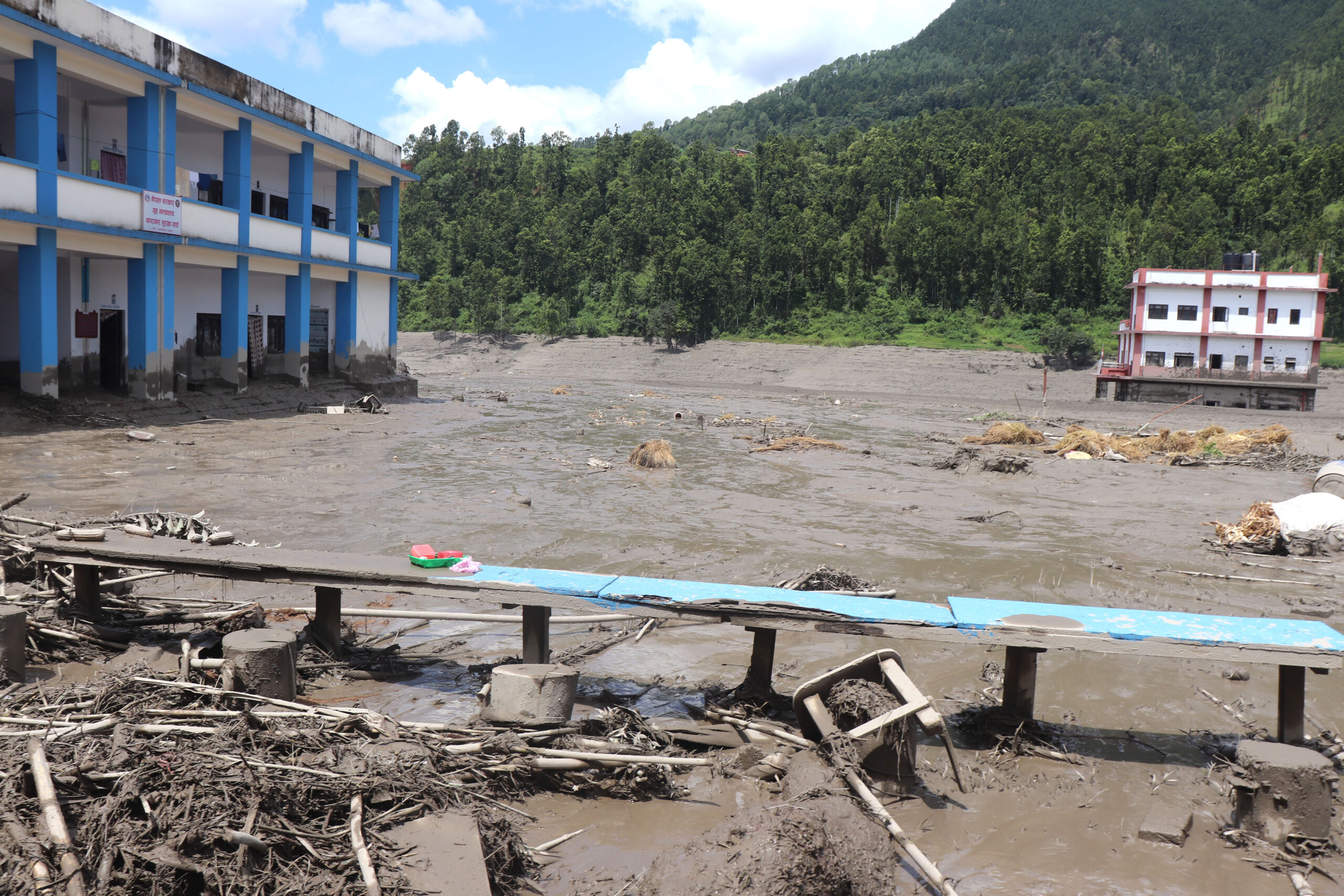
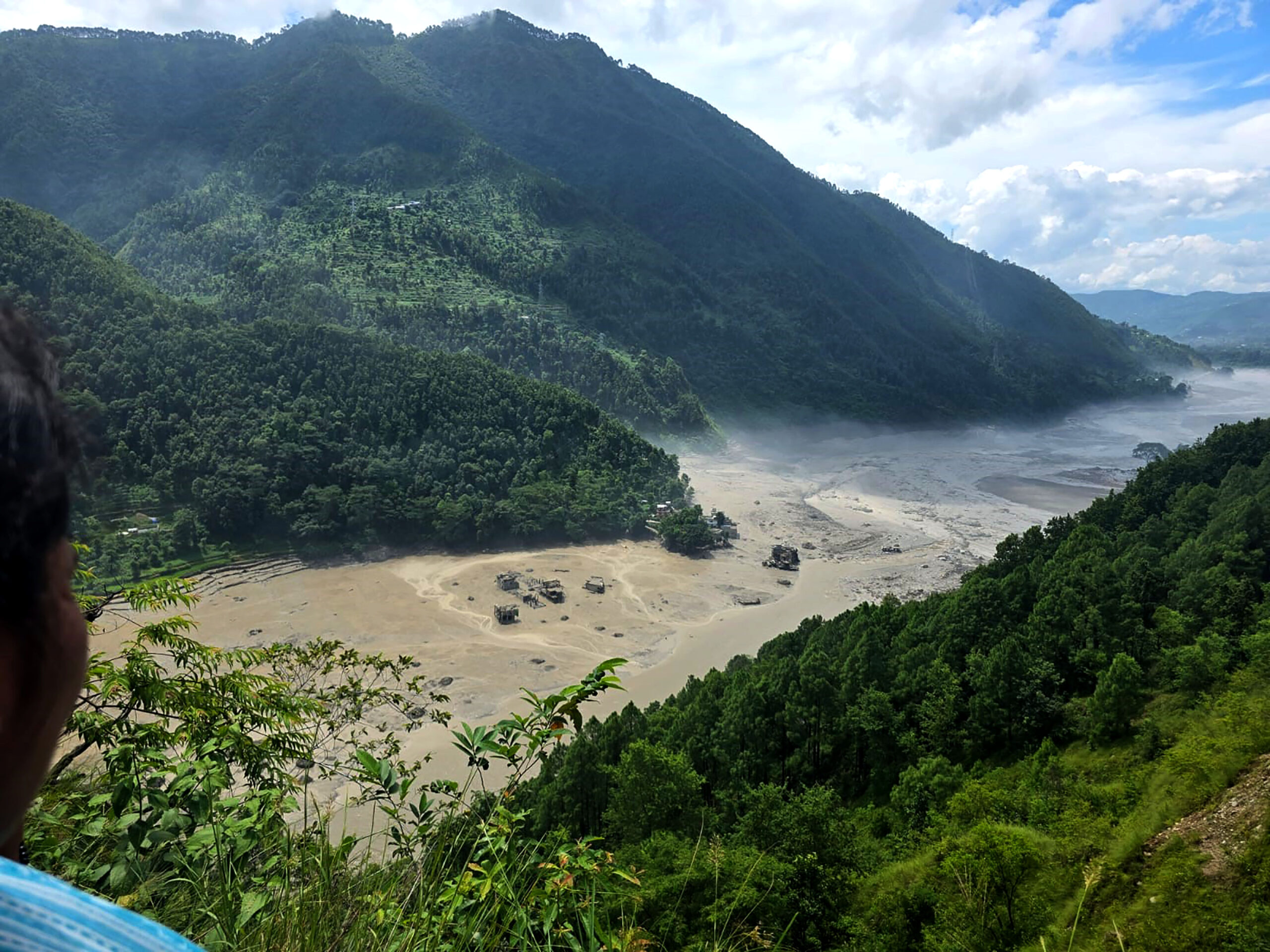
Kathmandu. The massive flash floods that occurred in Rasuwa on Wednesday morning have caused a huge loss of life and property.
Experts have urged the people to be vigilant as the powerful flood with water, mudslides and big boulders flowing through the Bhotekoshi and Trishuli river systems may further affect the downstream areas.TAG_OPEN_div_70
{{TAG_OPEN_div_68} The water level in the Bhotekoshi watershed area started rising rapidly at around 9 am on Wednesday. The flood has caused a lot of damage in Rasuwa, Nuwakot and Dhading.
Scientists from the International Centre for TAG_OPEN_div_66 Integrated Mountain Development (ICIMOD) and partner organizations from Nepal and China are investigating whether the flooding might have been caused by the ice-rock avalanche in the high mountainous region.
According to the preliminary assessment based on video footage and information received from the affected area, a large amount of snow and rock may have fallen into the Lhende River, a tributary of the Bhotekoshi River. According to the researchers, the incident may have created a sudden large flow, which swept away water, sediments and large boulders towards the lower bank.
Hydrological observations have shown that the speed and magnitude of the flood flow is extraordinary. The water level of the Trishuli river in Galchi has increased by nine meters in 30 minutes and in Malekhu by seven meters in the same period.
Many water measurement stations on the banks of the Trishuli River were damaged or washed away during the floods. However, the water measurement station at Galchi is still functioning, ICIMOD said.TAG_OPEN_div_60
Experts are also evaluating whether Gegran built a landslide dam by temporarily blocking the river in a narrow part of the river. If the accumulated water suddenly escapes due to such a blockage, there could be a second stage risk. Officials and scientists are constantly evaluating the size, location and stability of the potential obstruction.
Preliminary analysis of the seismic data ‘recorded’ during the disaster has identified abnormal signals. The seismological station at Jilung, about 12 km north of the affected area, recorded the unusual signal, while another station in Zhangmu also recorded abnormal activity.
Scientists are studying whether these signals are related to a possible avalanche. So far, no causal relationship has been established between seismic activity and flooding.
Syangong Zhang, Chief of Climate and Environmental Risk of ICIMOD, said that the area which was devastated by last year’s Rasuwa floods is once again at risk.TAG_OPEN_div_52
} “As the upper part of the river along the Nepal-China border is still blocked, the authorities have warned of the possibility of a second flood and an order has been issued to shift the Jilung port to a safer place,” he said.
The floods have caused major damage to the infrastructure including hydrological measurement centers in the affected areas. There are many hydropower projects along the banks of the Bhotekoshi River and its adjoining river systems.
Regional cooperation needed to address cross-border disaster risk
Mohammad TAG_OPEN_div_44 Farooq Azam, a senior cryosphere expert at ICIMOD who studies the risks of glaciers, ice conditions, climate change and glacial lake bursts, said that the increasing frequency of risks related to the cryosphere is more evident than ever.
“The pace of change is so rapid that existing efforts are struggling to deal with it. Today’s disaster in the Lhende River shows the need for stronger regional cooperation to deal with cross-border threats. The government must work in a coordinated manner to respond to cross-border risks,” he said.
ICIMOD experts said they are continuing to analyze hydrological, seismic, remote sensing and on-site data to better understand the cause of the incident and the ongoing risk to downstream communities. ICIMOD said it is in close contact and coordinating with the Government of Nepal, scientific institutions and Chinese partners as the evaluation work continues.TAG_OPEN_div_40
Pema Gamtso, Director General of ICIMOD, expressed his solidarity with the people and government of Nepal at this difficult time. He also expressed his condolences to the victims and their families and all those affected.TAG_OPEN_div_38
Scientists say it’s too early to determine what role climate change played in the Hindu Kush Himalayas is causing glaciers, ice conditions, permafrost and Himalayan slopes.TAG_OPEN_div_36










प्रतिक्रिया दिनुहोस्