

Kathmandu. The Least Developed Countries (LDC) Group has said that developing and vulnerable countries need more financial, technical and capacity building support to deal with the crisis caused by climate change.
A meeting of the Least Developed Countries (LDCs) ministers and heads of delegations on climate change held in Dilima, the capital of Timor-Leste, today released the ‘Dilli Ministerial-level Climate Change Declaration’.
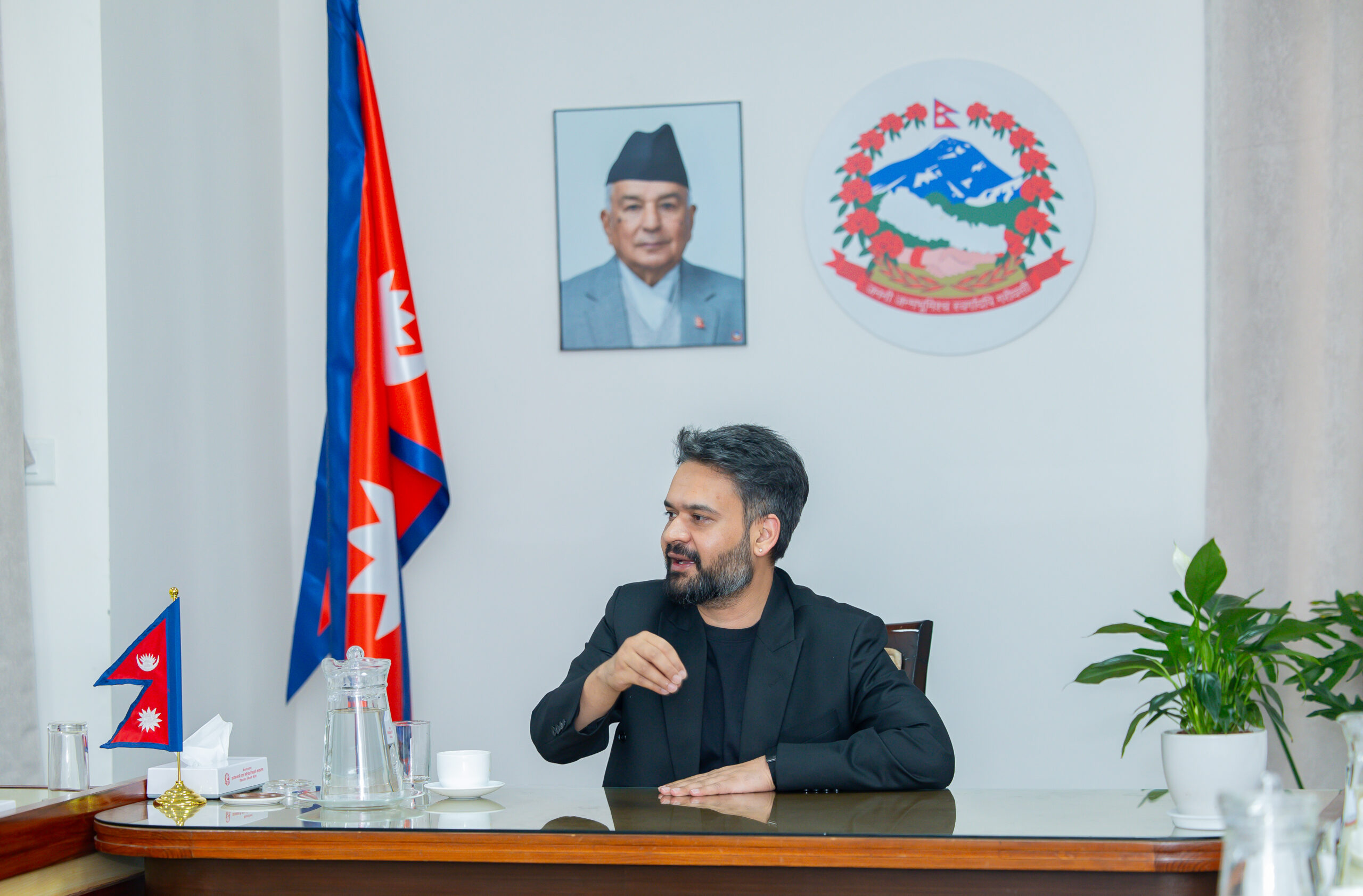
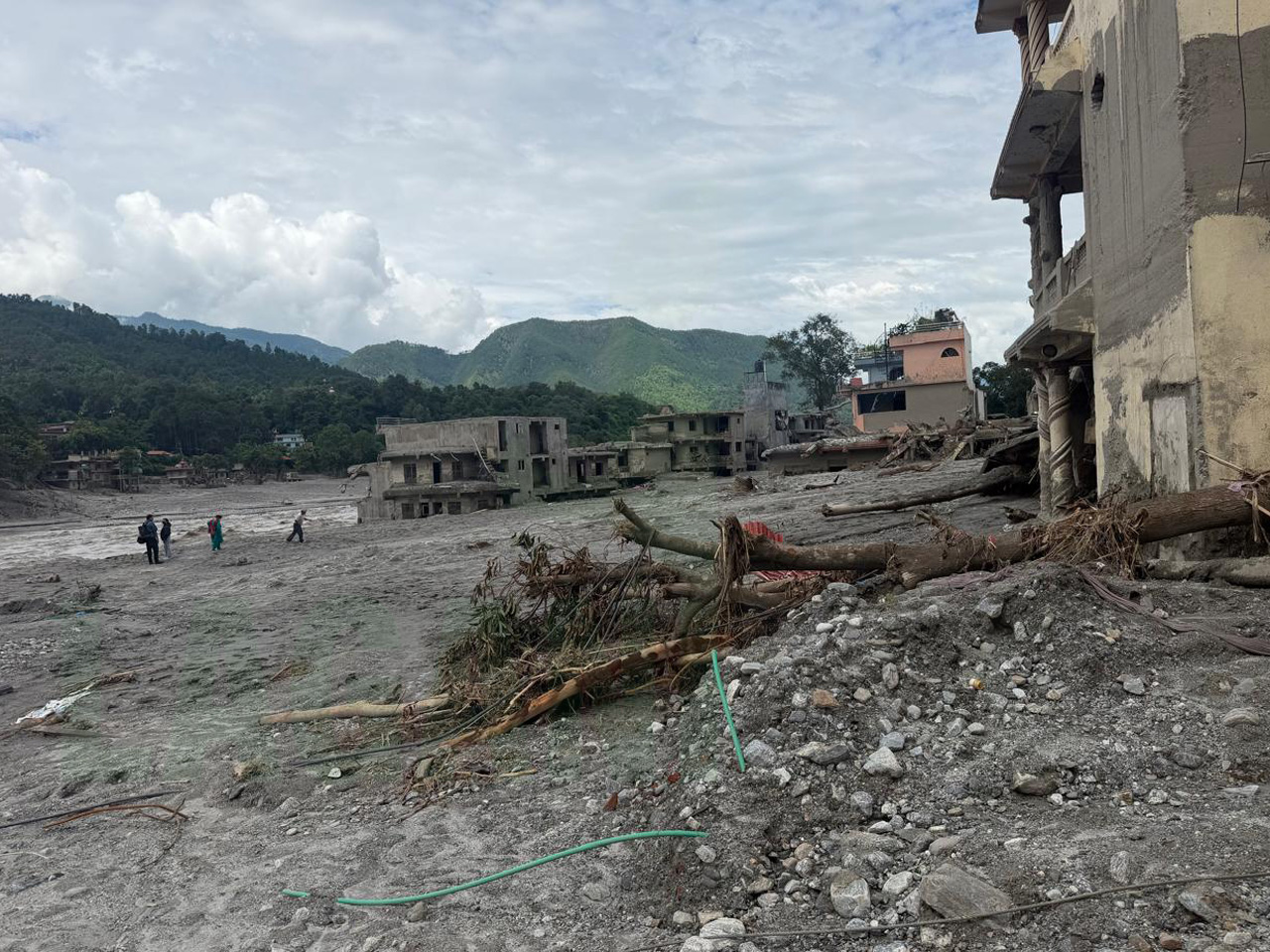
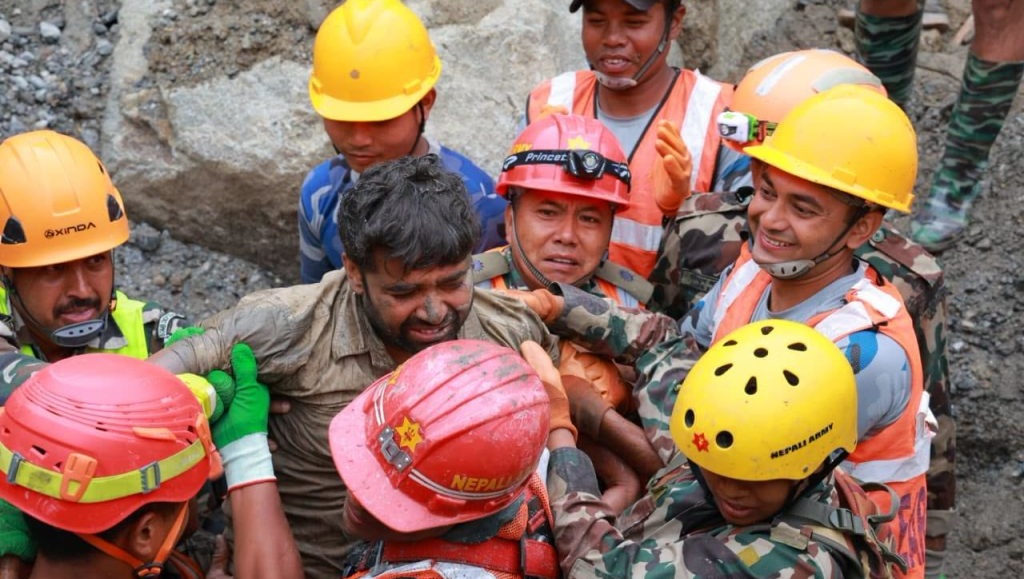
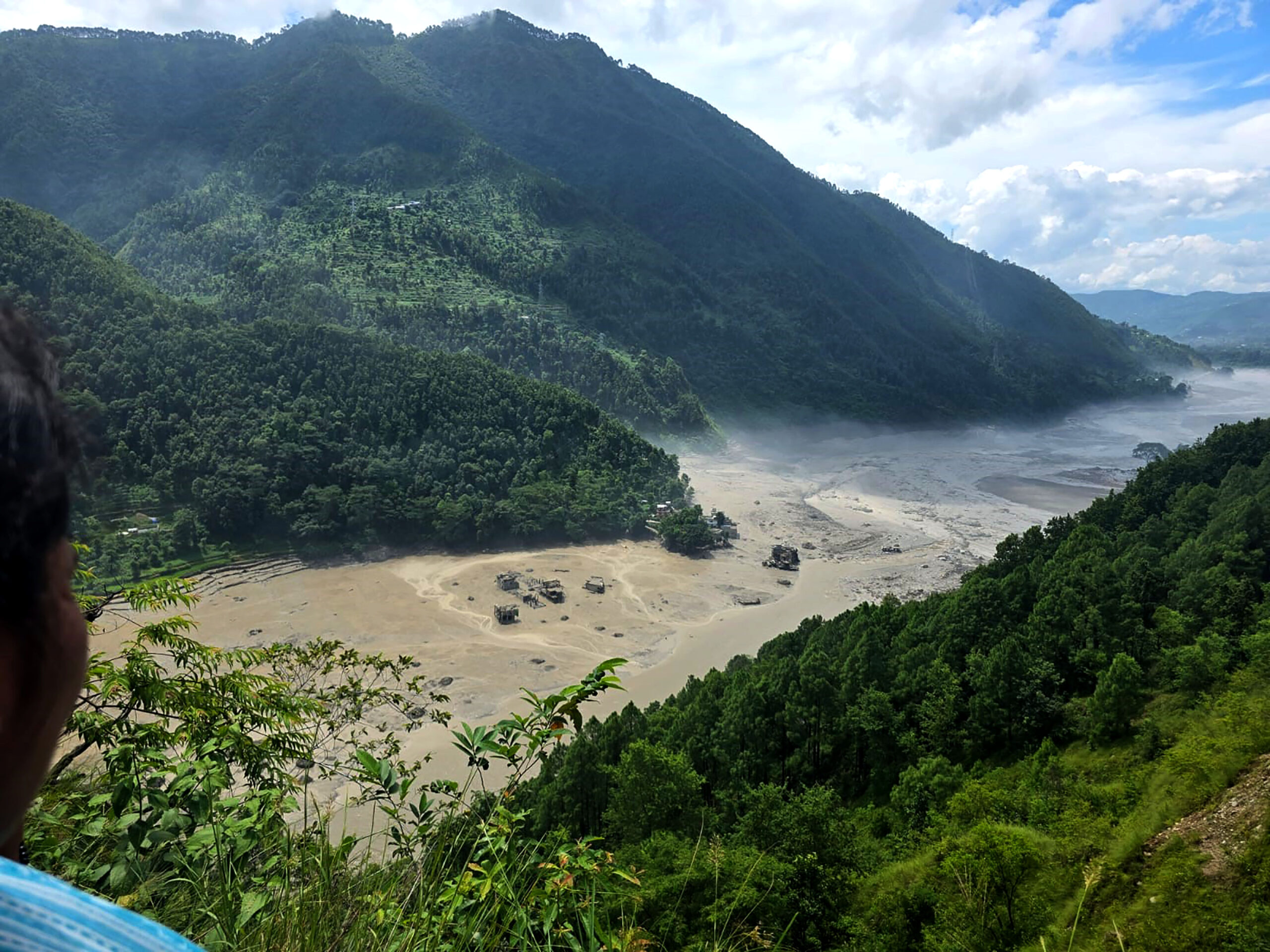
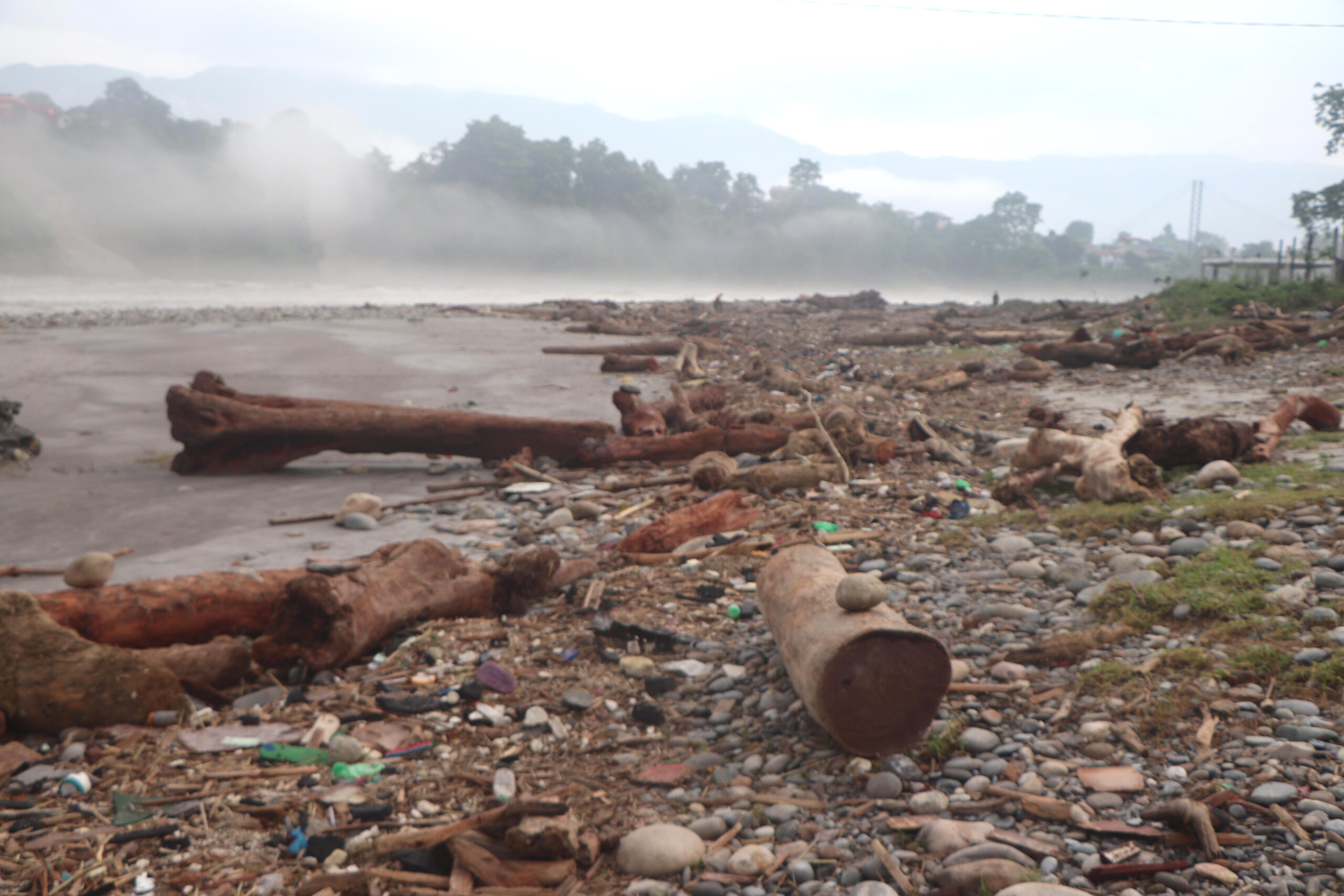
Spokesperson at the Ministry of Agriculture, Forest and Environment, Dr Maheshwor Dhakal, said the declaration expressed deep sympathy and solidarity with Nepal over the loss of lives and property due to the recent glacial avalanches and landslides in the Himalayan region.
Stating that climate change is causing serious impacts on lives, livelihoods, health, communities and years of development achievement in the least developed countries, the declaration stresses the need to take immediate ambitious and just steps to mitigate the climate crisis,” he said, adding that although the least developed countries have made negligible contribution to climate change, the impact of this has been disproportionately suffered. International cooperation and multilateral cooperation should be further strengthened for the protection of vulnerable communities. ”
The LDC Group has called for deep cuts in greenhouse gas emissions in line with the goal of limiting global warming to 1.5 degrees Celsius. The manifesto calls for accelerating emissions reduction, energy transition and increasing financial support to adapt and address climate-related losses and losses within the current decade.
The group calls for a significant increase in the amount of grant-based public finance in climate finance. It calls for developed countries to take the lead towards a target of ¥300 billion per year by 2035 and to increase climate finance mobilization to at least ¥3 trillion per year, making immediate progress in the implementation of the new Collective Quantitative Climate Finance Goals (NCQGG). 3 trillion U.S. dollars per year.
It also called for a three-fold increase in adaptation finance to at least ¥120 billion per year before 2035. Developed countries have also been urged to make new and significant contributions to the Climate Loss and Damage Reduction Fund, the Least Developed Countries Fund, the Green Climate Fund, the Adaptation Fund and the Global Environment Facility.
Stating that the demand for resources in the Loss and Damage Fund is more than the available amount, the declaration stressed the need to send a clear message for the mobilization of additional resources from COP31. It also called for a ministerial dialogue focused on the issue of climate change, saying that the risk of migration, displacement and planned rehabilitation is increasing.
The declaration states that priority should be given to technology transfer and capacity building along with financial support for adaptation and resilience development. The group said that adequate finance, technology and capacity development is necessary to protect food security and the livelihoods of vulnerable farmers while prioritizing adaptation to climate resilient and sustainable agriculture.
Similarly, the LDC Group has also stressed on mainstreaming a gender-responsive approach to climate action, increasing the access of vulnerable women and local women to decision-making, finance, technology and sustainable livelihoods. The manifesto calls for sustainable development, poverty reduction, decent employment and access to clean energy by linking just energy transition to socio-economic conditions, development priorities and energy needs.
The group stresses that the upcoming COP31 should deliver equitable, ambitious, inclusive and implementation-oriented outcomes that address the priorities, geographical realities, needs and special circumstances of the least developed countries. The LDC Group has also concluded that the climate crisis should be addressed not only as an environmental problem but also as a challenge directly related to human life, health, food security, livelihood, economy and development.







प्रतिक्रिया दिनुहोस्