

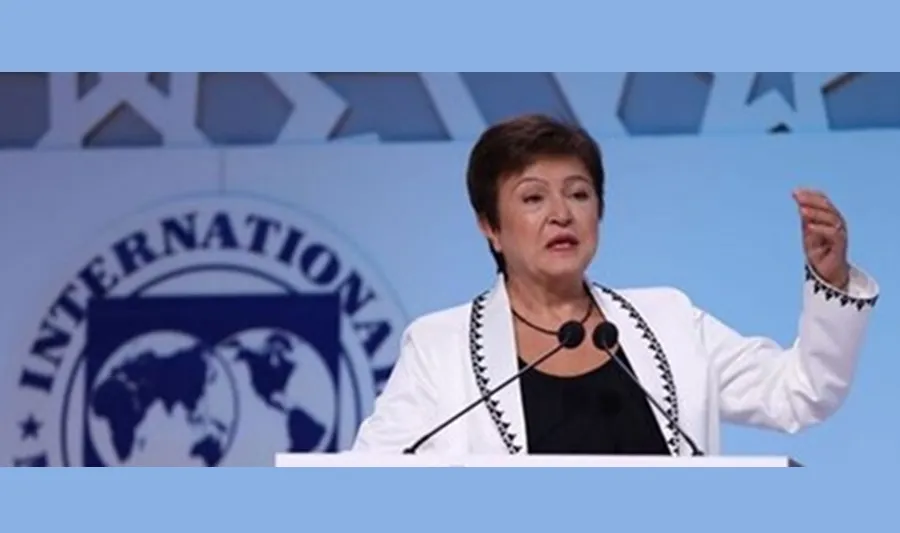
KATHMANDU: International Monetary Fund (IMF) Managing Director Kristalina Georgieva has said that although the global economy is showing more resilience than expected amid various challenges, some important risks will remain in the coming days.
Speaking at a special event at the Qatar Economic Forum in New York on Sunday, Georgieva said high inflation, rising debt servicing costs and rapid investment in artificial intelligence (AI) were the main potential risks to the global economy.
According to Georgieva, inflation in many countries of the world has not come down as fast as expected. He said that the problem of inflation is not going to be solved immediately and some central banks may have to tighten monetary policy to maintain price stability.
He said that with efforts to maintain price stability, the service cost of debt is also increasing. He said that while governments recognise the need to maintain fiscal discipline, there is still a need to take adequate steps accordingly.
Caution needed to invest in AI
}
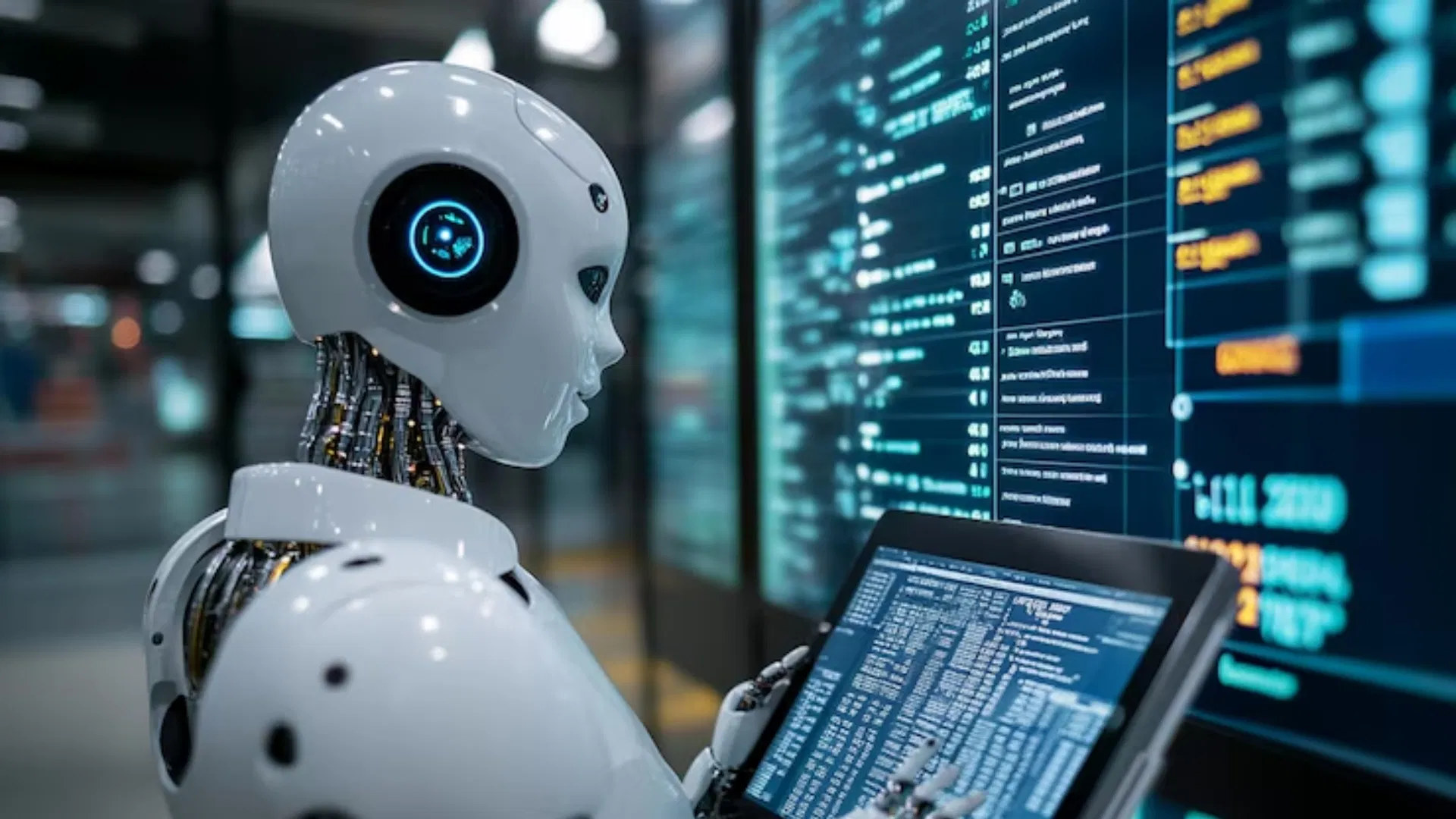
Georgieva also cautioned against the potential risks associated with investments in the rapidly expanding artificial intelligence sector.
According to him, a large amount of investment is being made in the AI sector with high expectations. He said that due to the increase in debt-based investments and interconnected financial transactions, risks can also arise.
He pointed out the possibility that AI technology could lead to disappointment among investors if the expected returns were not achieved, and the impact could reach the broader financial system.
According to Georgieva, although the financial risks of the AI sector are mainly concentrated in the United States, many countries in Asia and Europe are connected to the global supply chain of AI. Therefore, she says that the big fluctuations in this sector can have an impact on other economies as well.
Economic growth of about 3 percent significant achievement
}
Georgieva took the resilience shown by the world economy positively despite various challenges. He said that the global economy has maintained a growth of around 3 percent despite the energy supply crisis, inflation, high borrowing costs and other economic shocks.
“The examples of rapid and effective steps taken by various sides to address the crisis in energy supply have made me optimistic,” he said.
Collaboration and interdependence in the global economy
Georgieva said that while the global economy is becoming more fragmented, interdependence and cooperation between countries are still important.
Although the world appears to be less integrated than it used to be, trade, investment, technology and supply chains make countries more closely connected, he said.
“There is talk that the world is more divided. In fact, the world is less integrated than ever before. But we are still dependent on each other and cooperating,” he said.
new economic projections to be released in October
The IMF is preparing to release a new forecast of the world economy in October. According to Georgieva, the forecast will also include the situation of high risks and uncertainty in the world economy. He stressed that the government, central bank and private sector should all be cautious about the challenges and risks of the global economy in the coming days.
“We have to be careful and vigilant. The risks are high and uncertainty is the new normal,” Georgieva said.











प्रतिक्रिया दिनुहोस्