

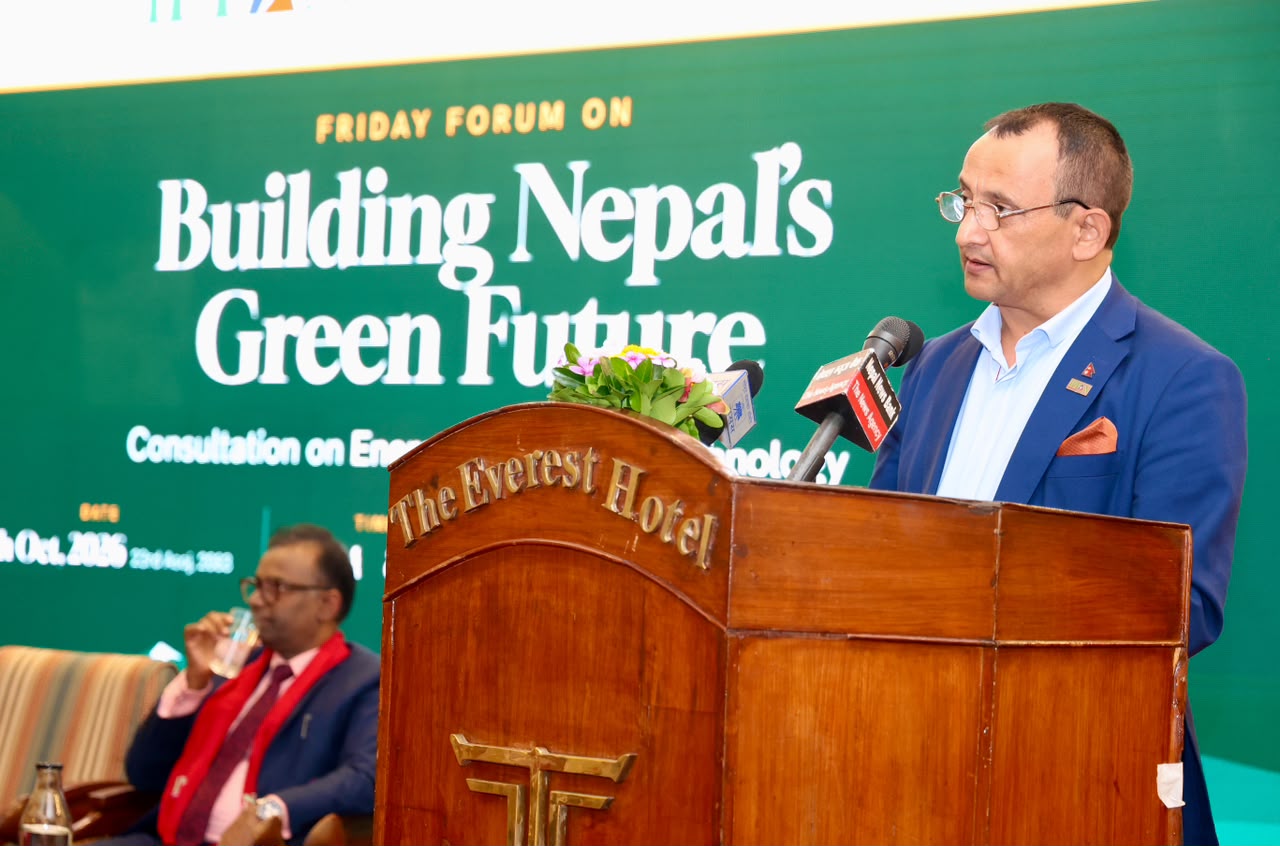
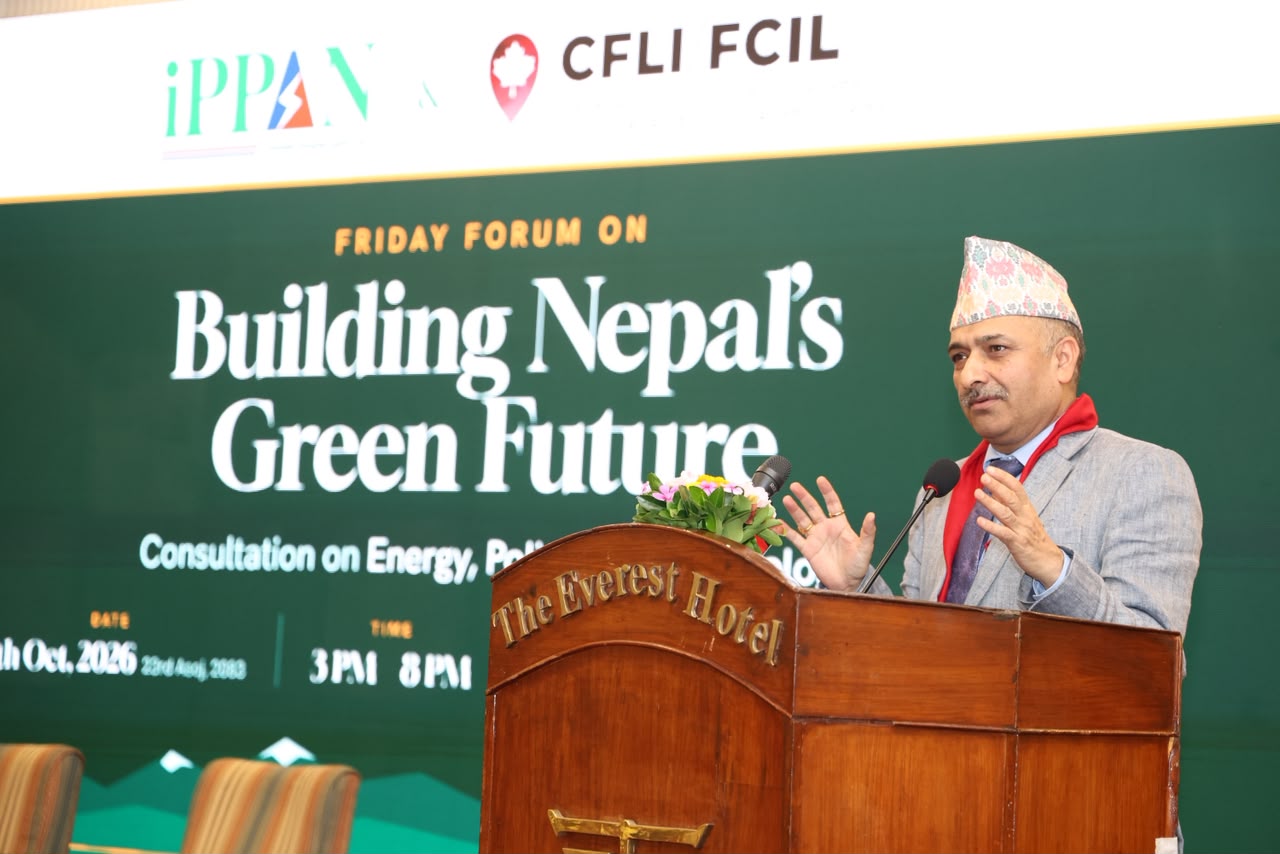
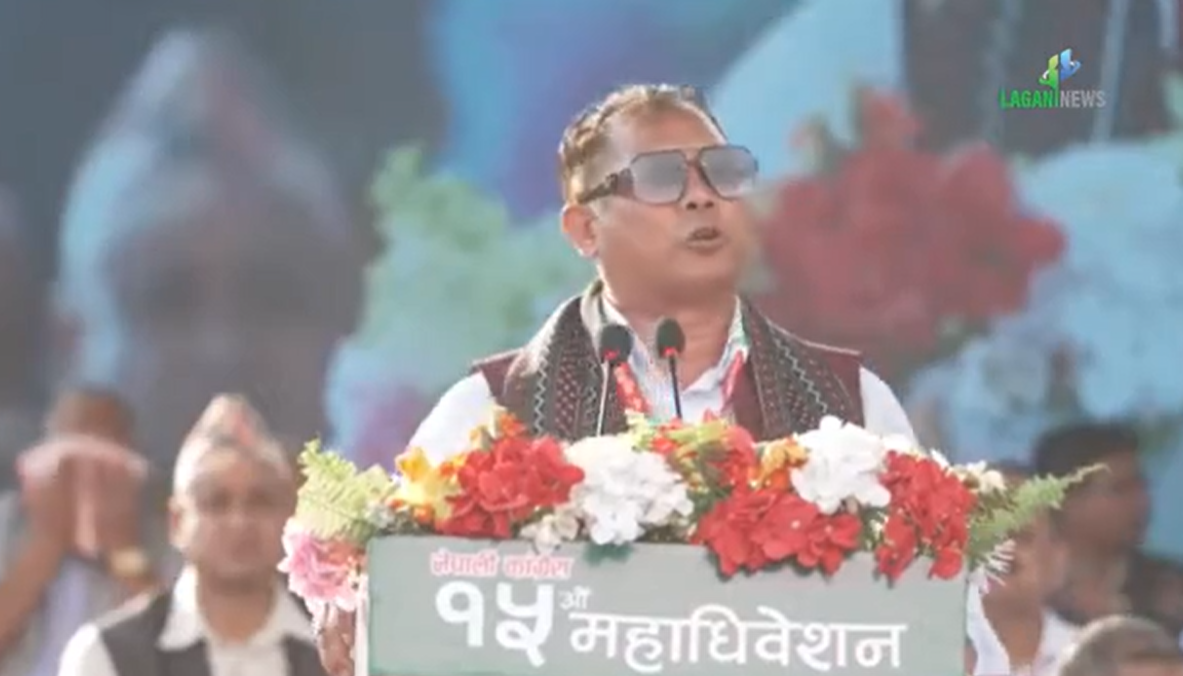
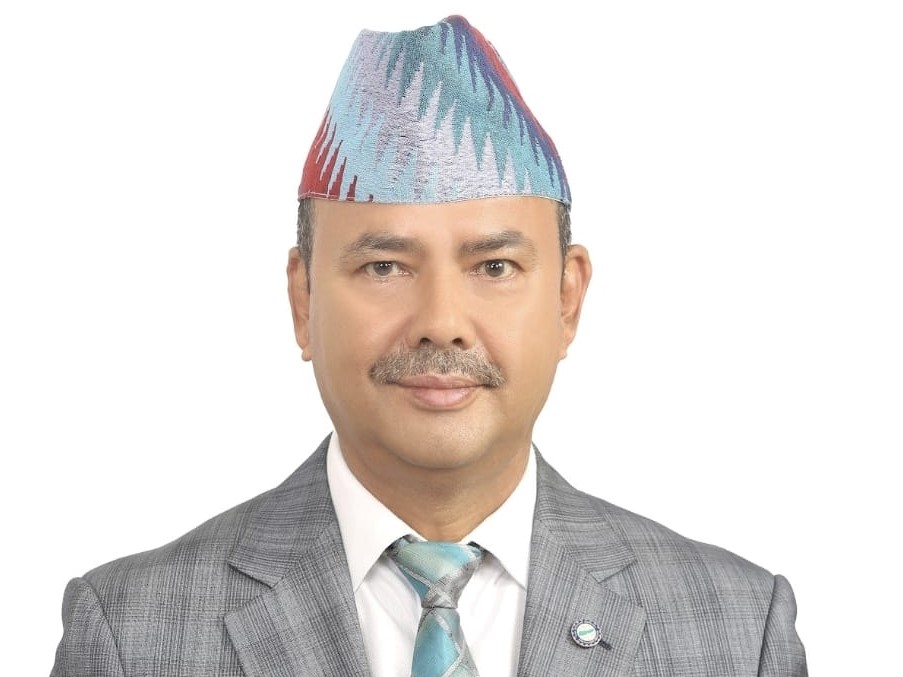
KATHMANDU: Mohan Dangi, president of the Independent Power Producers’ Association, Nepal (IPPAN), has urged the government and the Electricity Regulatory Commission to review the wheeling charge fixed for the use of the National Electricity Transmission Grid.
Addressing the ‘Friday Forum’ programme organized by IPPAN in collaboration with the Canadian Fund for Local Initiatives in September in September today, Minister Bhattarai said that the rate of electricity determined at present could affect the economic feasibility of hydropower projects, new investment and competitive capacity of Nepali electricity in the international market.
He also said that there is a need for further discussion between the government, the Electricity Regulatory Commission and the private sector regarding the calculation method and rate of wheeling charge. “The average annual income per megawatt of hydropower projects is around Rs 30 million. In such a situation, if you have to pay about Rs 50 lakh per megawatt annually for transmission charges, then the income of the project and the return on investment will be significantly affected,” he said, “This will weaken the financial condition of the ongoing projects and also discourage the expansion of private sector investment in the development of new projects and electricity trade.” He said that the rate of wheeling charge should be reviewed keeping in mind the utilization of transmission capacity, the economic condition of the project and the competitiveness of the regional electricity market.
Stating that the government has set a target of producing 30,000 MW of electricity in the next 10 years, Chairman Dangi said that the private sector is committed to achieving this goal. He said that the private sector should be allowed to come forward for electricity trade, transmission infrastructure and market assurance along with power generation. He said that the production capacity will continue to expand but if the problems related to transmission and trade are not resolved, the market management of the generated electricity will be challenging.
He said that the government had said that the power purchase agreement (PPA) will be signed with the hydropower projects that have been waiting for their turn within 180 days, but the process has not progressed as expected. He said that if the problems related to PPA, transmission infrastructure and power trade are resolved, the investment of the private sector will expand and it will be easier to achieve the national production and export targets.
According to him, around 11 companies have so far applied for the license for electricity business.
“Involving the private sector in electricity trade and providing investment opportunities in the construction of transmission lines will help solve the existing problems in the energy sector,” he said. He said that although electricity production is increasing every year, it will be difficult to achieve the production and export targets set by the government if the problems related to transmission infrastructure, electricity trade and market assurance are not resolved.
Canadian Ambassador to Nepal, Mark Allen, said that expanding cooperation between Nepal and Canada in research, technology, capacity development and policy dialogue would contribute positively to Nepal’s green energy development, local economic prosperity and regional energy security. Addressing the Friday Forum program virtually, he expressed his commitment to expand cooperation in the areas of green energy development, transmission infrastructure, dam safety and climate resilience in Nepal. He stressed the need for stable policy arrangements and transparent regulatory process to attract investment as there is huge potential for hydropower development in Nepal. He said that there are more than 15,000 dams in Canada and hydropower has contributed significantly to the country’s power generation.
Dinesh Kumar Ghimire, former secretary at the Ministry of Energy, Water Resources and Irrigation and chief expert advisor of IPPAN, said that the time has come to reduce excessive dependence on river-based projects and focus on the development of semi-reservoirs, reservoirs, pump storage and solar energy. Stating that it is not enough to increase electricity production in Nepal, he stressed the need to strengthen energy security by balancing the generation structure, expanding transmission and distribution infrastructure, and increasing internal power consumption.
“River-flowing projects dominate Nepal’s hydropower generation. This is creating the problem of shortage of electricity in the dry season and excess power generation in the rainy season. Therefore, if reservoir projects and other renewable energy sources are not developed, the reliability of the energy system and long-term energy security will be challenged,” he said.
He said that although Nepal has been aiming to increase the share of reservoir-based projects to 20 to 25 percent for a long time, the expected progress has not been made. He also suggested that solar energy and battery-based energy storage system could be developed to address the immediate needs.
He stressed on the need to increase electricity consumption within the country for long-term economic prosperity even though Nepal is earning foreign currency through electricity export. Stating that the current demand for electricity should not be taken only as the actual potential demand, he said that the lack of transmission and distribution infrastructure, inadequate development of industrial corridors and inability of industries to get reliable electricity have limited the demand.
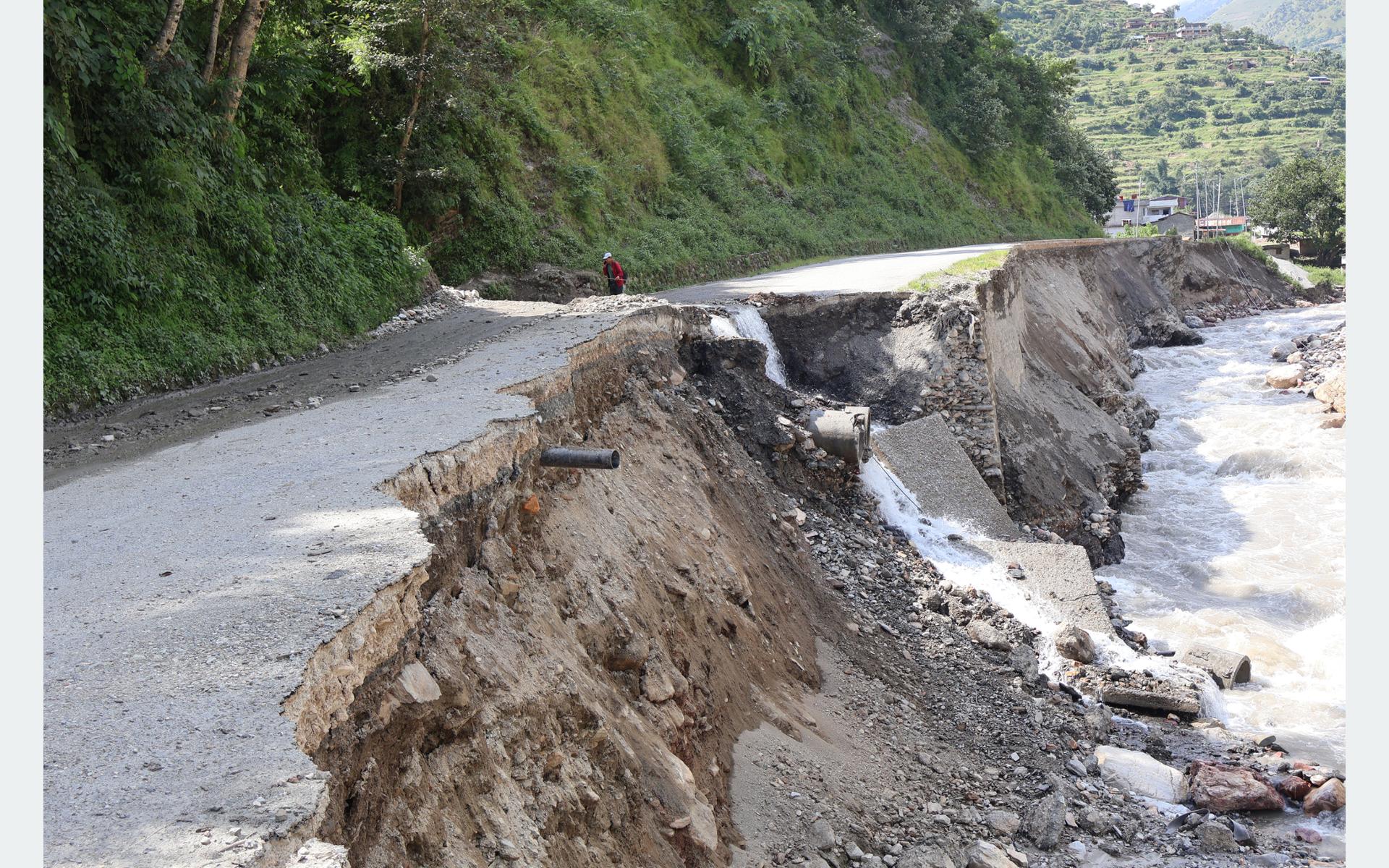
Similarly, United Nations Development Programme (UNDP) program analyst Deepak KC stressed on the need of strengthening early warning system, modern technology and collaboration with the private sector to make hydropower projects and energy infrastructure safe from natural disasters by utilizing the learnings from the recent Bhotekoshi floods. He said that due to climate change, the melting of glaciers and the expansion of glacial lakes are increasing the risk of glacial lake explosion and floods. He said that such disasters affect the national economy as it damages the settlements and communities, as well as the hydropower projects and transmission infrastructure.
KC stressed the need for regular monitoring of the source areas of glacial lakes and rivers, collection of real-time data, early warning dissemination through sirens and mobile messages, and effective disaster preparedness of the community. He also pointed out the need for cross-border data exchange and joint monitoring between Nepal and China.
He said that the UNDP, in collaboration with the Government of Nepal, is undertaking projects to reduce the water level of four high-risk glacial lakes, strengthen early warning system and enhance the security of vulnerable communities. He stressed the need for long-term collaboration between the government, private sector and local communities, while giving priority to risk assessment from survey to operation of hydropower projects.











प्रतिक्रिया दिनुहोस्