Skip to content

Increasing VAT and customs duty on EVs is wrong, government’s policy discourages electric vehicles: Chair Ghising
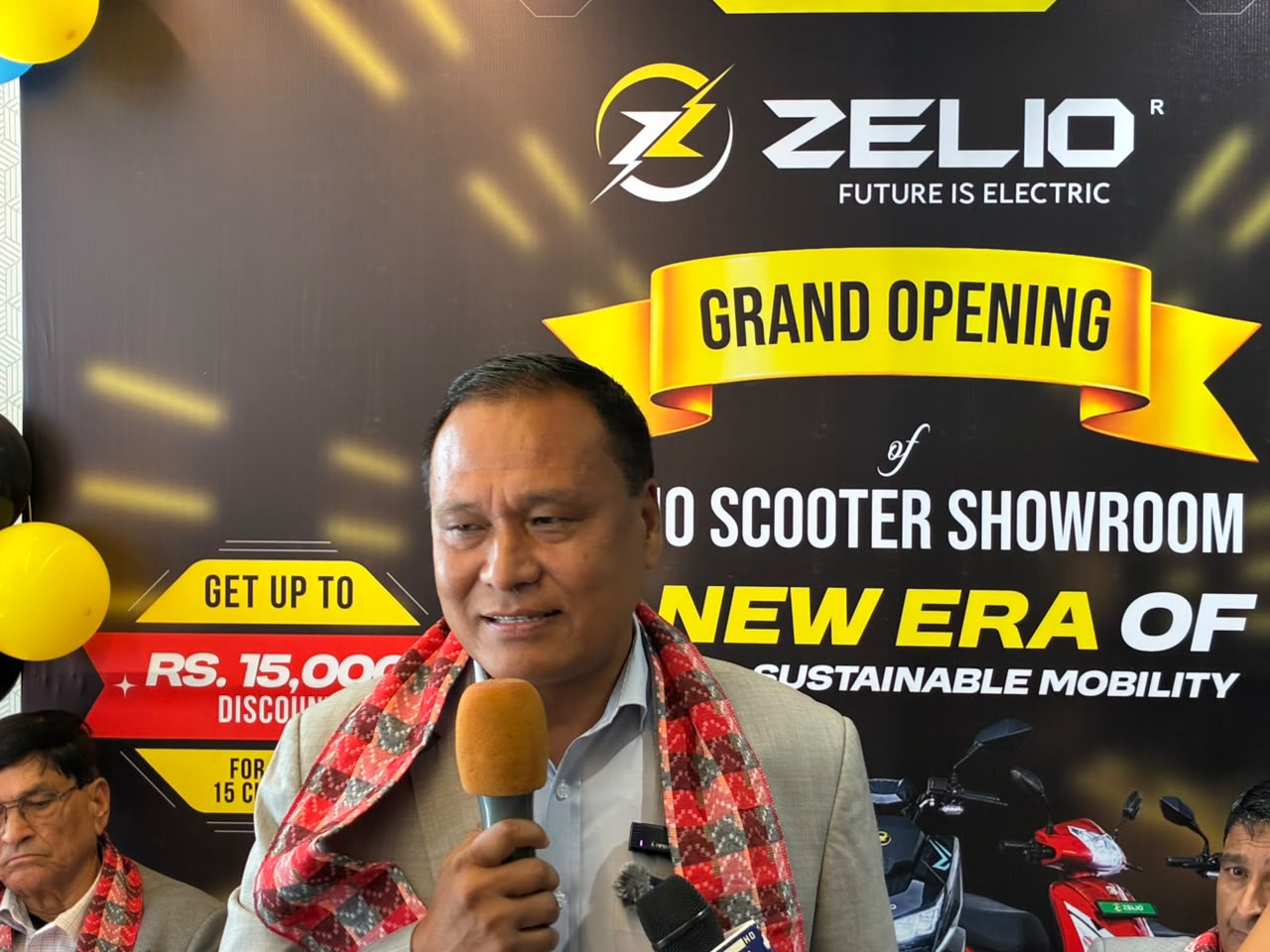
{{TAG_OPEN_div_32} Kathmandu. Kulman Ghising, chairman of Ujjyalo Nepal Party and former energy minister, has said that the government’s policy of imposing Value Added Tax (VAT) on electricity and increasing customs duty on electric vehicles is wrong. He said that instead of encouraging electric vehicles, the government is trying to discourage EVs by increasing the burden of tax.

Expressing dissatisfaction over the provision of 13 percent VAT on charging stations, Ghising has demanded removal of VAT on electricity and reduction in customs duty on electric vehicles.TAG_OPEN_div_30

} “Levying VAT on electricity and increasing customs duty does not encourage EVs, but rather discourages EVs. The government should make electricity more cheap. Our party and my demand is to remove VAT on electricity and reduce customs duty,” he said.

TAG_OPEN_div_26 According to Ghising, electric vehicles are about 10 times cheaper than petroleum-powered vehicles. Stating that there has been a significant progress in the use and publicity of electric vehicles in Nepal, he claimed that the share of electric vehicles in the total sales of vehicles has reached 75 to 76 percent.

However, he said that there has not been much progress in the sale of electric scooters. He stressed that scooters and motorcycles should also be based on electronic technology in the coming days, and the government should build the necessary infrastructure for this.TAG_OPEN_div_24

He said that when they were in the government, they took initiative to construct charging stations by encouraging the private sector. He said that charging stations have been constructed in various places as the Nepal Electricity Authority has also worked on the expansion of charging infrastructure.TAG_OPEN_div_22

Ghising also said that when he was in the NEA, the tariff for charging electric vehicles was fixed according to the time. According to him, the tariff was fixed at around Rs 5 per unit for charging in the afternoon and some expensive charges were fixed during peak hours from 4:30 pm to 5 pm. At other times, there was a provision for cheap tariffs.TAG_OPEN_div_20

He said that at that time, the average tariff for charging electric vehicles was fixed at Rs 7.5 per unit. He said that charging stations now charge up to Rs 15 per unit, and even if charging at this rate, the operating cost of electric vehicles is less than that of petroleum-powered vehicles.TAG_OPEN_div_18

Ghising stressed that the government should reconsider tax policy to expand the use of electric vehicles, make electricity tariff cheaper and give priority to the expansion of charging infrastructure.TAG_OPEN_div_16

Prabhu
sikhar insurance

प्रतिक्रिया दिनुहोस्

bulet bike
citizen life
MAK 4T
sanima
Gili
CG Digital
sign