



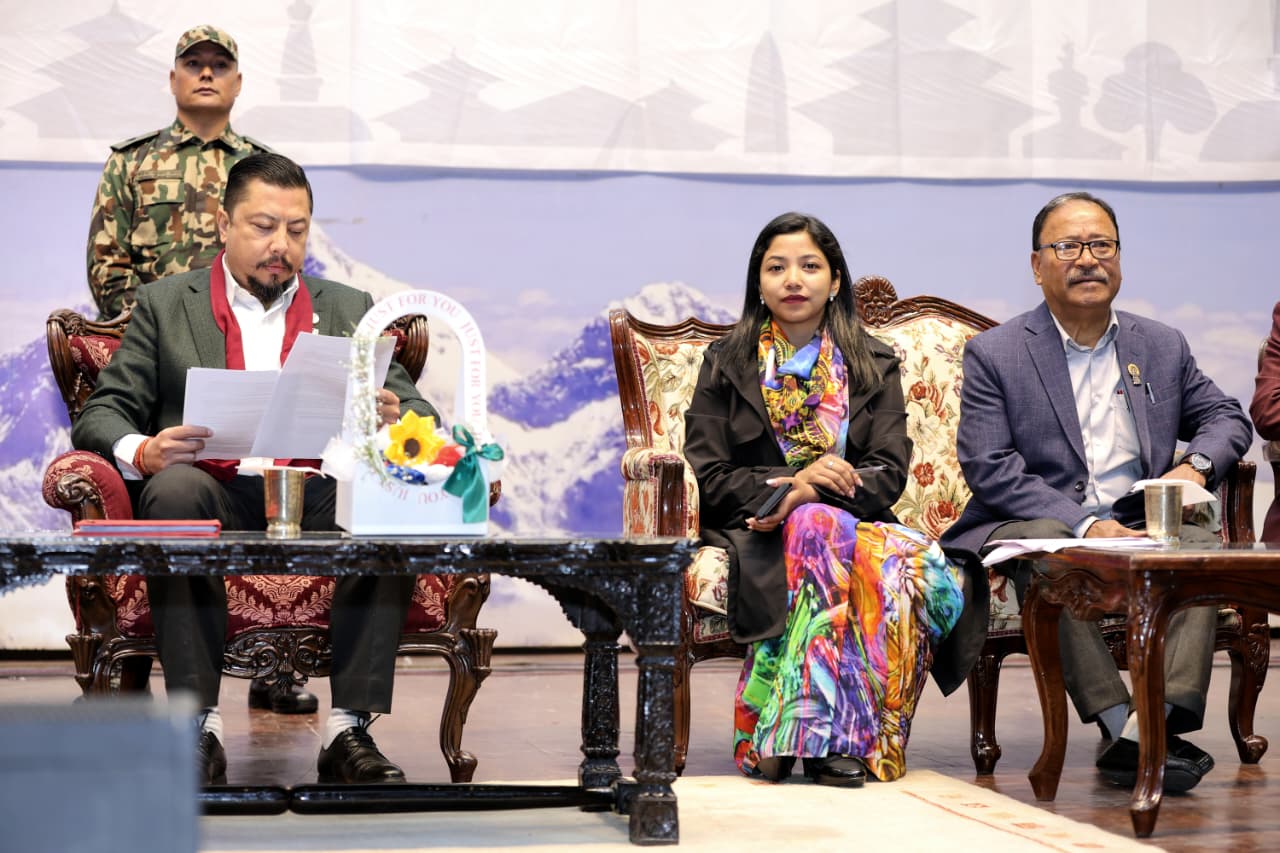
Kathmandu. Acting Prime Minister and Minister of Energy, Water Resources, and Irrigation, Biraj Bhakta Shrestha, has expressed his commitment to restoring the Bagmati and Bishnumati rivers and developing Kathmandu as a safe and livable city.
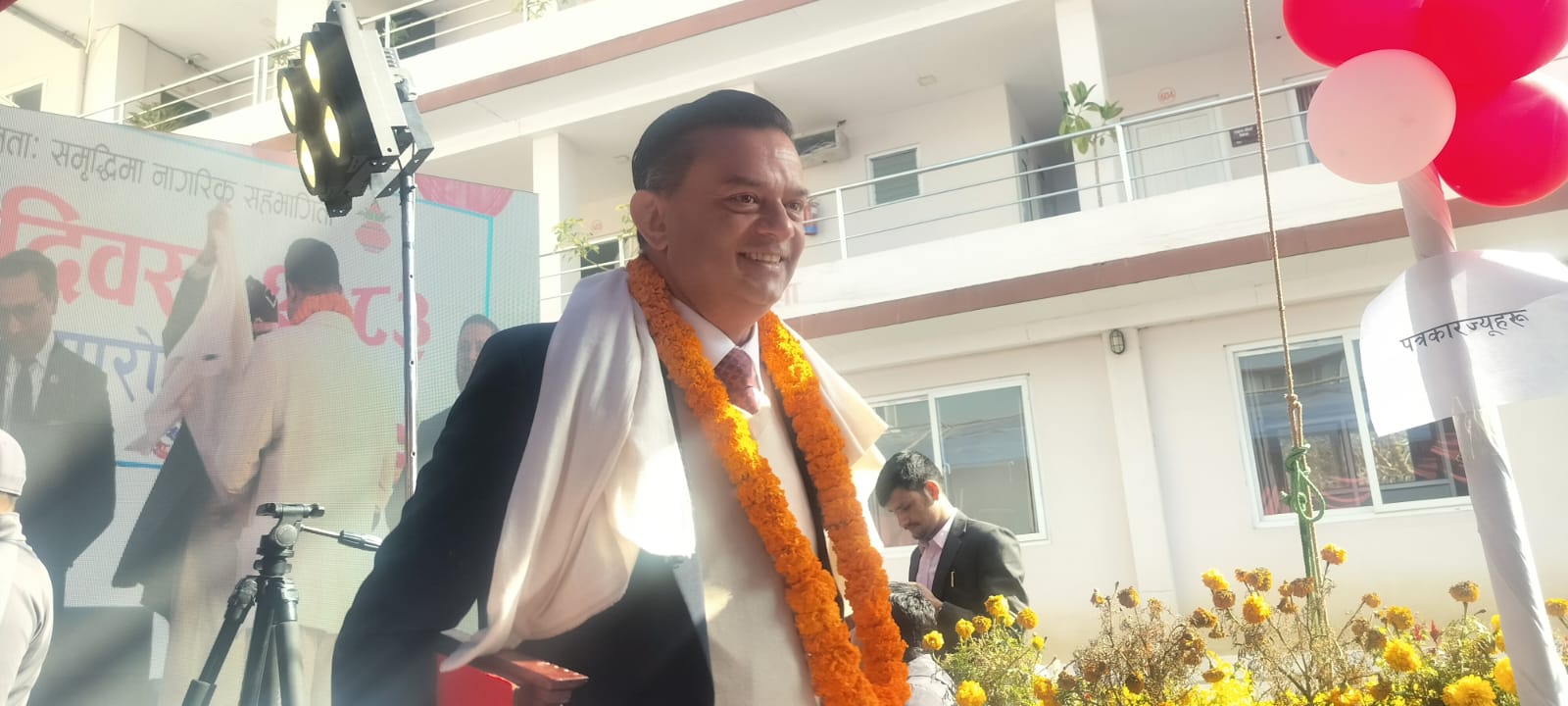
Addressing the Kathmandu Climate Action Week as the chief guest, Shrestha also presented concrete action plans on behalf of the federal government for river conservation, flood control, and urban environmental improvement. Shrestha, who is also the Member of Parliament for Kathmandu Region No. 8, unveiled concrete action plans on behalf of the federal government for river conservation, flood control, and urban environmental improvement.
During his address, Shrestha recalled his childhood and shared his experience of drinking clean water from the Bishnumati and Bagmati rivers, bathing, and growing up amidst the green fields along the riverbank and the chirping of birds. However, he said that seeing these rivers become polluted and endangered during his lifetime makes him deeply emotional.
In recent decades, the haphazard construction of concrete structures has destroyed fields, ponds, and open land, the city’s temperature has risen, centuries-old temples and heritage have darkened due to dust and smoke, and the lack of land to absorb rainwater has made flood risk dire.
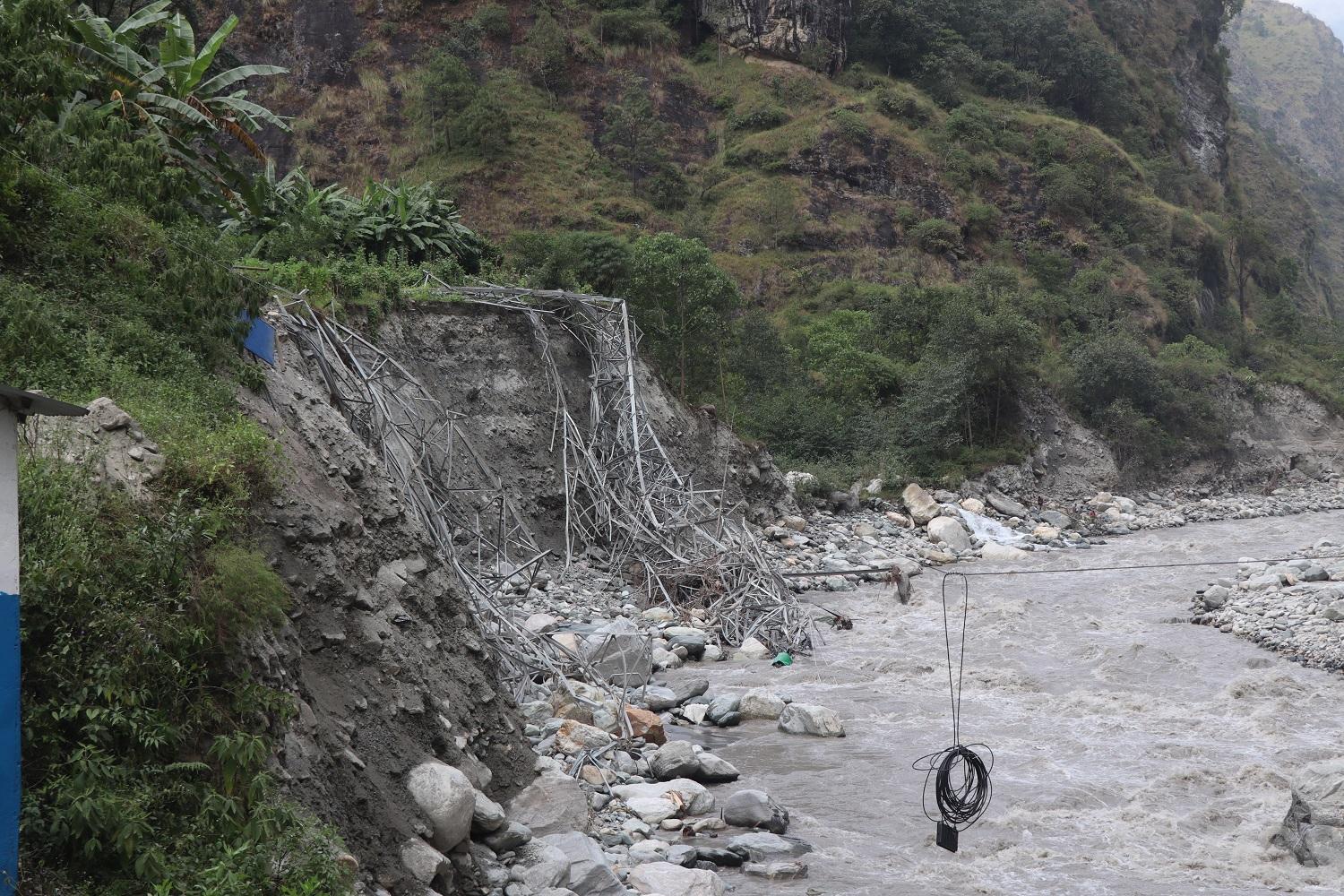
Saying that climate change has worsened the crisis, Shrestha said that in just 46 days, floods with large rocks and gravel in three river corridors, avalanches, and glacier melting are serious warnings. He urged other municipalities in the rapidly urbanizing country to learn from Kathmandu’s mistakes and save rivers, ponds, and open land in time.
Additionally, he praised the Kathmandu Metropolitan City, acting mayor, and ward chairpersons for their role in reviving the old stone streams (Hiti) and royal canals that were about to disappear over the past four years to protect the underground water reservoir.
In his address, Acting Prime Minister Shrestha also outlined the government’s main commitments and plans. According to him, a flood early warning and glacier monitoring system will be established. To ensure that wards and households receive information before floods occur, the Water and Meteorology Department will collaborate with metropolitan cities and other cities on rainfall measurement, urban flood modeling, and early warning systems. Additionally, experts, scientists, activists, and youth will be involved in monitoring hanging glaciers and melting glaciers.
Similarly, nature-based rivers will be protected. Instead of confining the river within hard concrete walls, it will be allowed to spread and contract naturally. The springs of Vishnudwar and Vagdwar, as well as the Nagarjun and Godavari areas, will be preserved. Since the river does not recognize administrative boundaries, the Water Resources and Irrigation Department and the Ministry of Physical Infrastructure will coordinate with Kathmandu Metropolitan City and the surrounding 17 municipalities connected to the river system to start work before the upcoming monsoon.
Similarly, the city will be cooled and groundwater recharged. After the metropolis identifies locations for water collection, water-absorbing walkways, open spaces, and planting native trees along main roads, the federal government will provide financial and technical support.
Similarly, air pollution will be controlled. Emphasis will be placed on electric public transport, clean brick kilns, and waste incineration control according to nationally determined contributions. Air quality data will be kept open to citizens, and preparations for pollution control will be completed before winter and frost begin (before October).
Similarly, energy and climate finance will be deployed from waste. An understanding between the Alternative Energy Promotion Center and Kathmandu Metropolitan City, along with a call to quickly operationalize the Teku Biogas Plant, has called for waste sorting from home.
Additionally, Minister Shrestha said that through the ‘Climate Finance Summit,’ they will work together with the Urban Development Fund to introduce green bonds and climate funds. He stated that there is a recognized need for a rapidly mobilizing fund for recovery after the Bhote Koshi disaster.
{{TAG_OPEN_div_36}Praising the youth’s activity in new technology, Shrestha gave the example of a communication system where 12th grade students sent disaster information without mobile networks. He stressed the need to move forward by combining youth’s technology with the knowledge of traditional water systems among senior citizens.









प्रतिक्रिया दिनुहोस्