

Kathmandu. Nepal Association for Software and IT Services Companies (NAS) has submitted detailed pre-budget recommendations on tax reforms, investment promotion, job creation, digital infrastructure development and legal reforms, keeping the information technology sector in national priority through the budget for the fiscal year 2083/84.
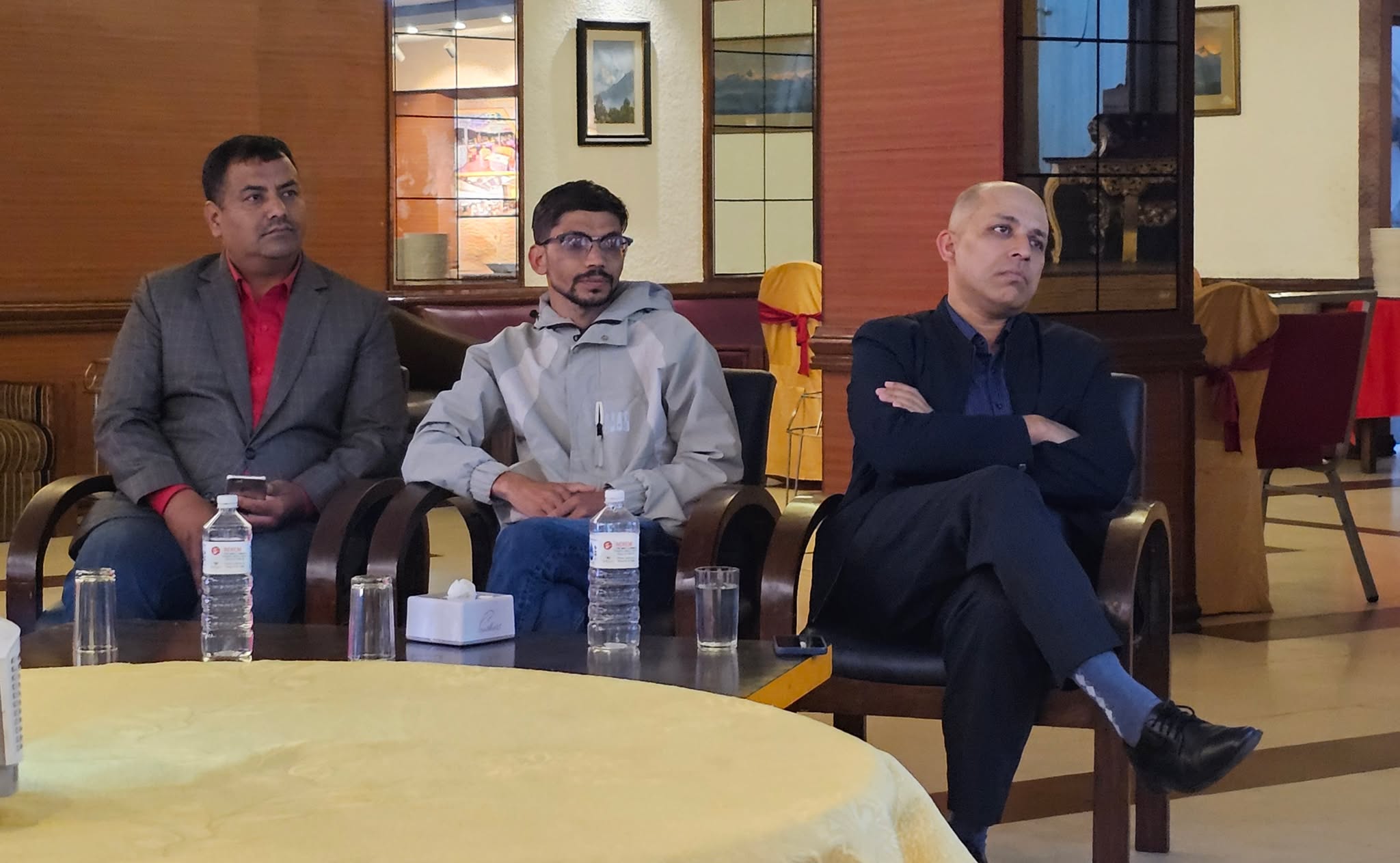
Speaking at a programme organised on Sunday, President of the Technology Journalists’ Forum, Purna Bhakta Duwal, said that the government’s policies and programmes and budget formulation could not be addressed as expected due to lack of adequate and effective suggestions from the IT sector.
He stressed on the need to coordinate with the government, private sector and stakeholders to address the real needs of the IT sector. On the occasion, Vice President of NAS IT Dipen Chapagain presented the suggestions prepared for the upcoming budget.
Stating that the information technology sector in Nepal is an export-oriented industry with high potential, the country could earn a huge amount of foreign currency if the policy was facilitated on time.
At a time when demand for digital services, outsourcing, cloud services, AI, and software development is increasing across the globe, there is an opportunity for Nepal’s youth to utilize its human resources, competitive cost and technical capacity.
The organization suggested that IT companies should be taxed at only 1 percent on net profit for 10 years. It has been claimed that such tax concession will make it easier for companies to reinvest in innovation, research, manpower development and infrastructure expansion. It also demanded that 8 percent export incentive should be provided to IT companies earning foreign exchange.
It has also been suggested that the ambiguity related to VAT in the export of IT services should be removed and a clear policy should be brought and the refund of VAT should be ensured on time. This will help in the expansion of the business by easing the cash flow of the companies, the organization said.
Nas IT has urged the government to ensure that the maximum rate of personal income tax for the IT sector should not exceed 25 per cent to prevent the migration of skilled manpower abroad and to create a competitive environment. It has also suggested that the ‘sweat equity’ shares used in start-up companies should be taxed only at the time of sale and not at the time of grant or vesting.
It has been demanded to extend the double tax avoidance agreement with countries like the US, UK and Australia to reduce the risk of double taxation for Nepali companies operating in foreign markets. It is expected that this will attract foreign investment, increase exports and establish Nepal as a regional IT hub.
Another major proposal of NAS IT is that government agencies should give priority to domestic companies in software purchase and information system development. He suggested that IT contracts worth less than Rs 10 crore should be reserved for Nepali companies and at least 30 percent of the work in big projects should be done by Nepali companies. He said that this will increase local industry development, job creation and technological self-reliance.
To establish Nepal as an international IT destination, the organization has stated that targeted market promotion campaigns should be conducted by mobilizing foreign embassies, private sector and Nepali diaspora. Emphasis has been laid on the need to publicize the experience, skilled manpower and cost competitiveness of successful Nepali companies in the global market.
It has also suggested that a National IT Promotion Board should be set up legally for policy coordination, investment attraction and promotion. It is believed that the board can act as a single-door mechanism between the government, the private sector and international partners.
In the education sector, there has been a demand to include IT and artificial intelligence education from the school level, to make the university curriculum industry-friendly and to allocate a special budget for teacher training. He also suggested that the labor act should be made project-oriented and the process of bringing in foreign experts should be simplified.
NAS IT has urged the government to give high priority to secure home cloud infrastructure, AI solutions in Nepali language, expansion of digital payment systems and digitization of government services. It also stressed on the need to amend the Electronic Transactions Act to create a modern legal framework related to cyber security, data privacy and digital governance.
The organization claims that if such policy reforms are implemented, Nepal can export significant IT, create thousands of jobs and earn huge foreign exchange in the next decade.

















प्रतिक्रिया दिनुहोस्