Skip to content

“We have made energy sector the main basis for economic transformation.

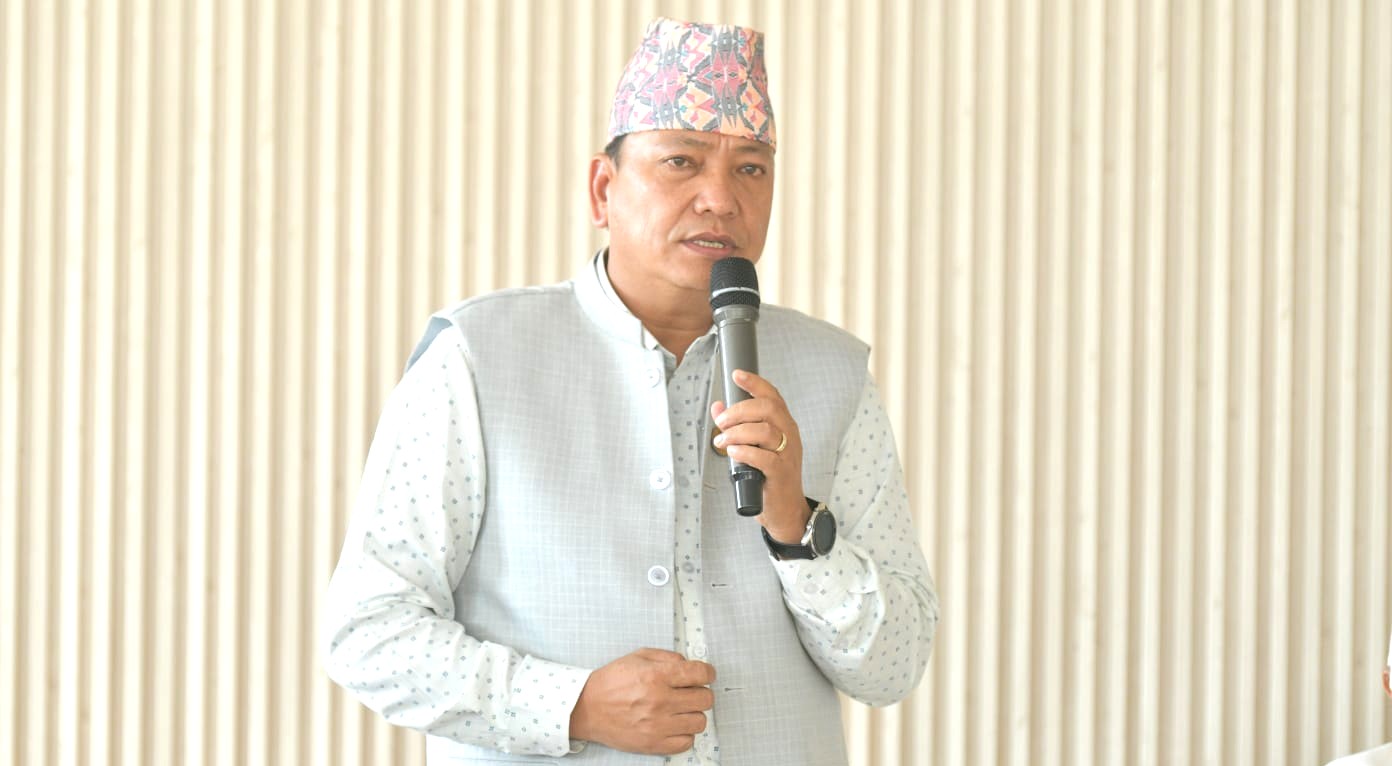
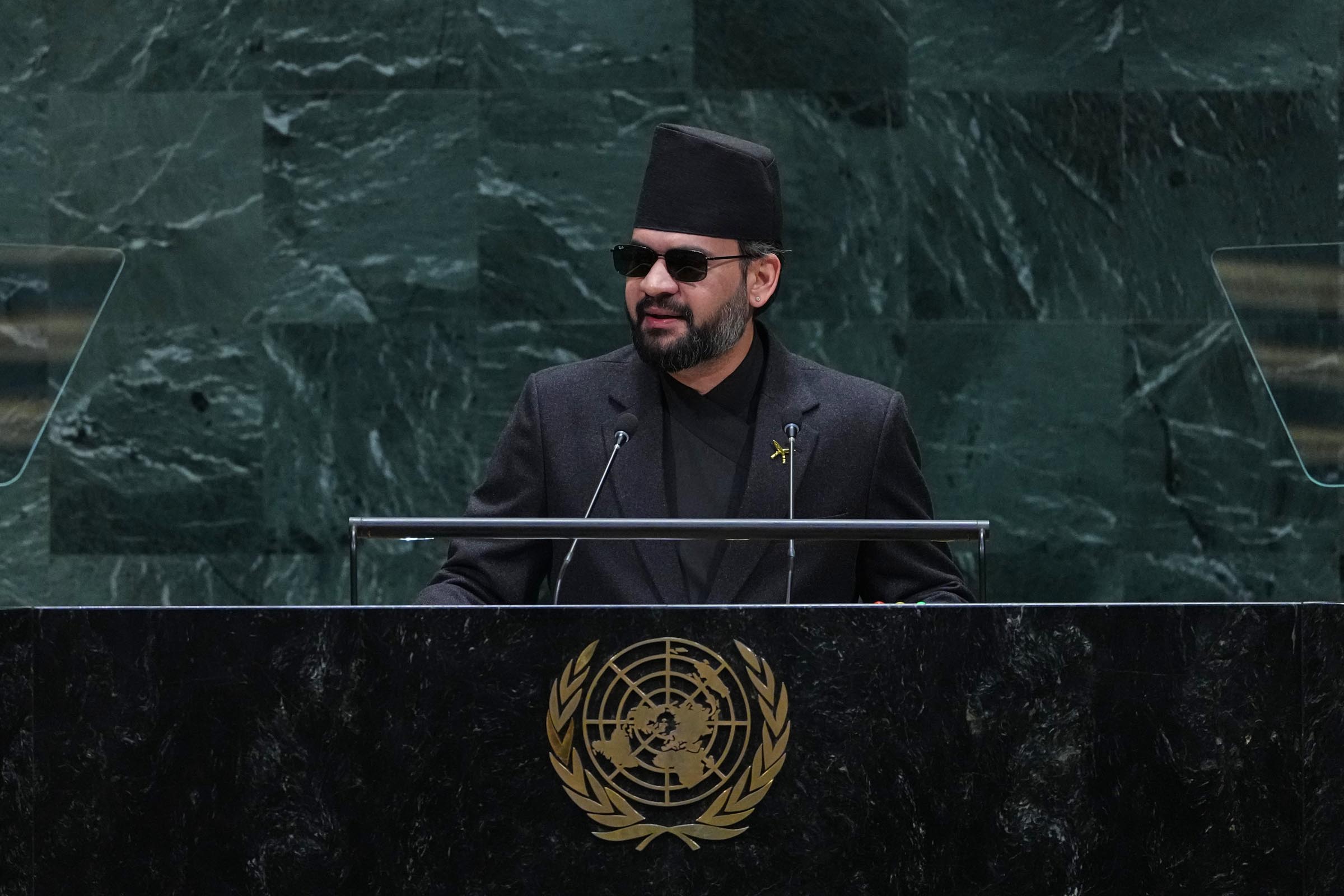
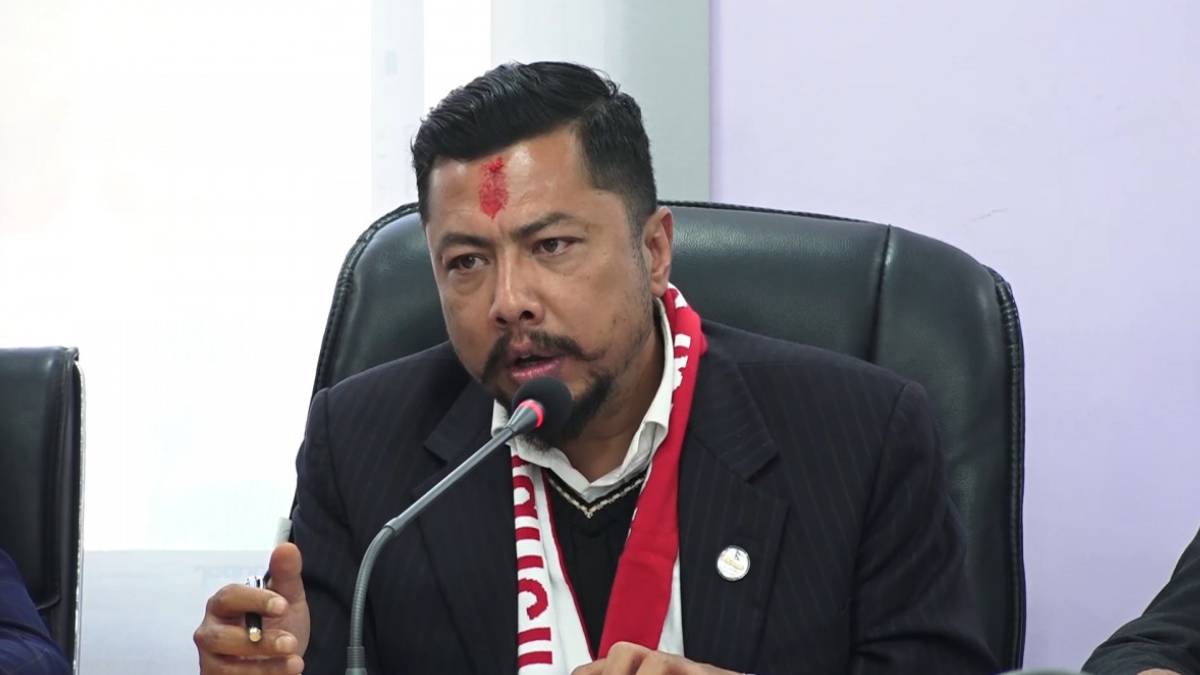
. Minister for Energy, Water Resources and Irrigation Biraj Bhakta Shrestha said the budget has established energy sector as the major basis of economic transformation. Responding to the queries raised during the discussion on the appropriation of energy ministry under the Appropriation Bill-2083 BS in the meeting of the House of Representatives today, the minister said adequate budget was allocated to advance electricity production, trade, infrastructure and industrialization in an integrated manner.

Minister Shrestha said, “The transmission line and substation, which are considered as the backbone of sustainable electricity supply, have been in top priority of the government for the first time.TAG_OPEN_div_46 The government has allocated a total budget of Rs 114.02 billion for the energy ministry for the fiscal year 2083/84. Out of this, Rs 70.12 billion has been allocated for energy and Rs 43.90 billion for hydropower and irrigation.

The Ministry has forwarded action plan with the target of completing 12 transmission lines of strategic importance, including nine transmission lines of 132 KV, two of 220 KV and one of the Nepal-India Power Transmission and Trade Project, within the next fiscal year.TAG_OPEN_div_44

“We are confident that the upcoming fiscal year will be fruitful for the energy sector of Nepal and by the end of the current fiscal year, around 7048 circuit kilometers of 66 kV and above transmission lines will be completed,” Minister Shrestha said.TAG_OPEN_div_42 Stating that the government was at a starting point for transformation of energy sector, he said the budget has been allocated with priority to complete the projects stalled for a long time and those projects to be completed this year.

Minister Shrestha said that a total of 1,040 megawatts, including 670 MW from hydropower and 370 MW from solar projects, would be connected to the national grid within the next TAG_OPEN_div_40 fiscal year. “The government has emphasized more than the generation to ensure sustainable supply and transmission of electricity to the consumers,” he said.

According to him, priority has been given to complete the construction of Rahughat Hydropower Project within this fiscal year, Tanahun Reservoir Project, Upper Modi A, Upper Modi, Upper Trishuli-3 B and Budhiganga Hydropower Project.TAG_OPEN_div_38 Informing that the financial structure of the Nalgad hydropower project has been completed, work plans of Upper Arun, Uttarganga, Chainpur, Seti and Naumure are being prepared, he said.

“We have allocated sufficient budget for the pre-construction work of the Budhigandaki Reservoir Project. We are also preparing to start the tender process for the project after completing the financial closure of the project,” said Minister Shrestha. Stating that the policy of liberalization of power trade has been adopted for the first time, he said a situation has been created for the private sector to trade electricity in the national and international market.

“A legal provision is being made to construct a transmission line with private investment and trade electricity by charging ‘wheeling charge’. It is believed that this will make energy market more competitive and create new dimensions of investment,” he said. Stating that the government has a policy of encouraging the private sector in reservoir-based projects, he said arrangements have been made to issue up to 40 percent initial public offering (IPO) in the first year and the license period would be 50 years if hundred percent investment is ensured in these projects.

Minister Shrestha clarified that the embankment has been accorded top priority to prevent loss of life and property from river-induced disasters.TAG_OPEN_div_32 He pledged to expedite the irrigation and embankment projects with priority through inter-agency coordination. “The Ministry’s programmes are focused to increase agriculture production by providing sustainable and reliable irrigation facility throughout the year by multi-dimensional utilization of water resources available in the country,” he said.

Minister Shrestha said that the government has set a target of increasing the proportion of arable land to 64 percent by providing irrigation facility to additional 15,776 hectares of arable land in the coming fiscal year.TAG_OPEN_div_30 “The issue of completing the old projects within the stipulated time would hold special importance in the irrigation sector”, he said, adding, “Therefore, Bheri Babai, Sikta, Sunkoshi-Marin, Rani-Jamara-Kulariya and other irrigation projects have been given high priority.” ”

Stating that special importance has been accorded to the maintenance and rehabilitation of the Sunsari-Morang, Chandra Canal, Kamala, Narayani, Gandak and Koshi Pump systems, Minister Shrestha said Rs 10.24 billion has been allocated in four national pride projects this year.TAG_OPEN_div_28 The government has allocated Rs 1.84 billion to irrigate 318,000 hectares of arable land in the Tarai-Madhes that is not possible through surface irrigation, he said.

Minister Shrestha said that Rs TAG_OPEN_div_26 922.23 million has been allocated for the Integrated Karnali Irrigation Development and River Control Programme, River Basin and Tar, Market Conservation Programme and Bheri Corridor Irrigation and River Management Project. He said a national policy has been adopted to conserve Nepal’s rivers not only for water resources but also on the basis of human civilization, culture, biodiversity and human existence.

“Scientific study of rivers of religious, cultural, ecological and social importance will be carried out now,” Minister Shrestha said.TAG_OPEN_div_24 He pledged to ensure a clean, sustainable river system for the coming generations by preserving the indigenous communities, traditions and spiritual values associated with the river basin as the national heritage.

Prabhu
sikhar insurance

प्रतिक्रिया दिनुहोस्

dish home
national life
http://sanimareliancelife.com/
MAK 4T
Arghakhachi
Gili