


Kathmandu. KATHMANDU: The government has opened the Power Purchase Agreement (PPA) for hydropower projects with the capacity of less than 10 MW in a bid to promote small and medium scale projects.
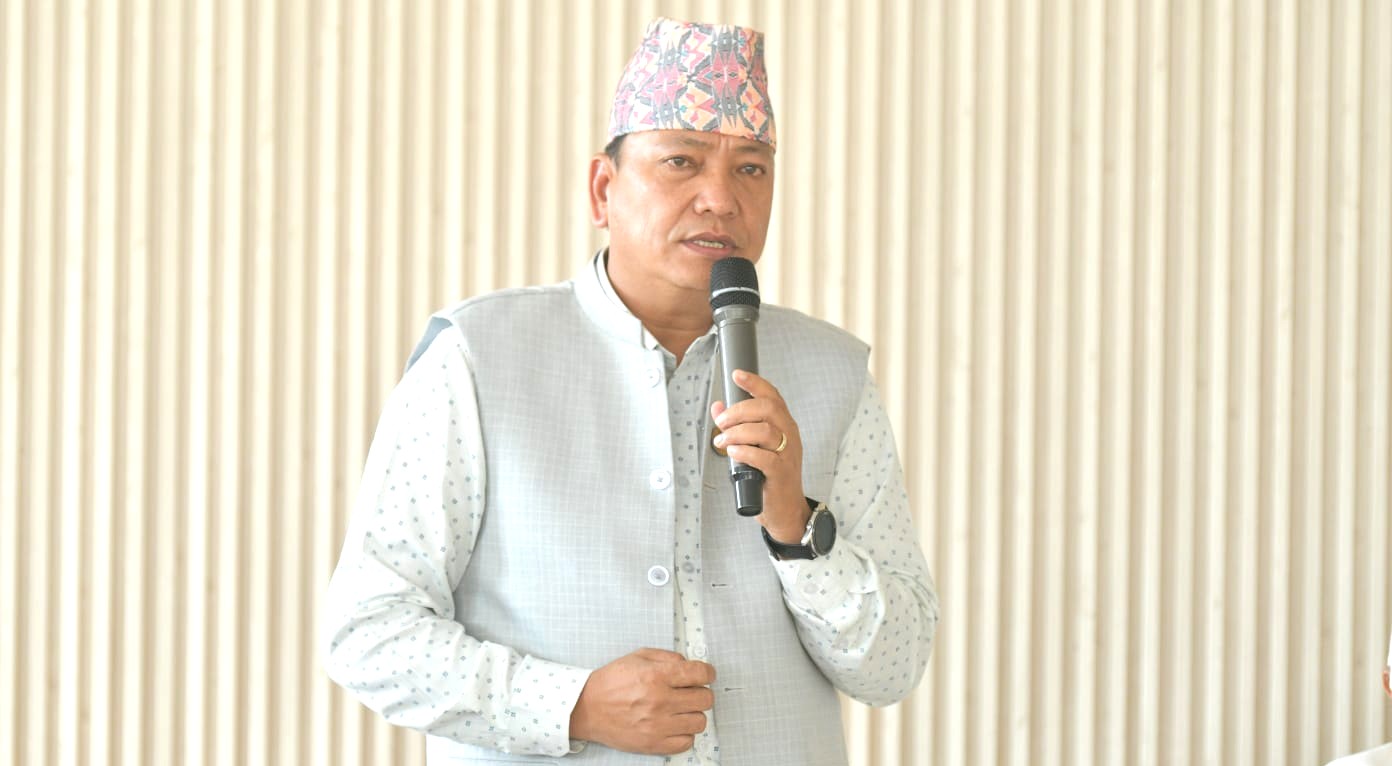
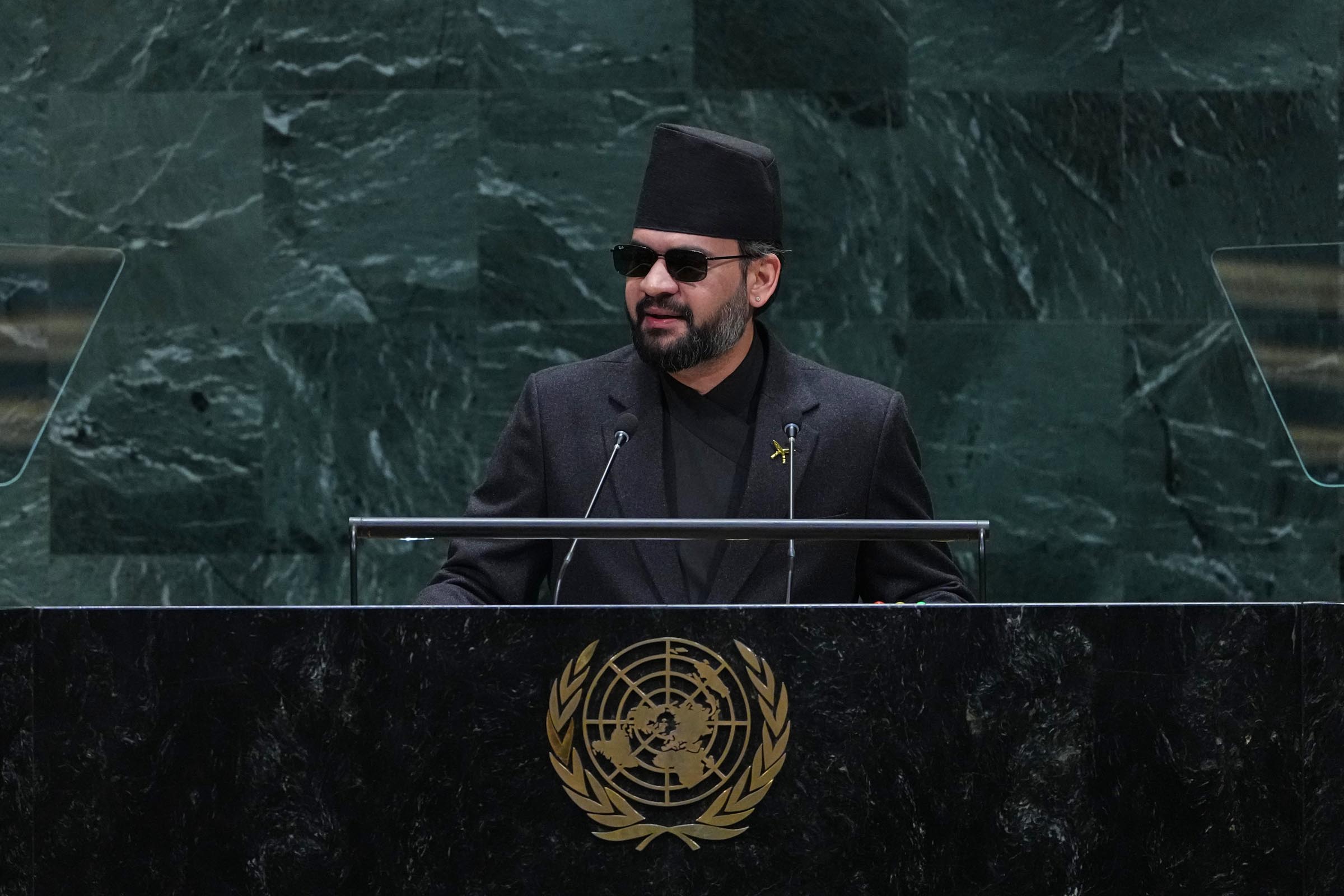
The Ministry of Energy, Water Resources and Irrigation has said that the decision was taken for the development and promotion of small and medium scale projects as well as for the expansion of investment. Energy Minister Biraj Bhakta Shrestha said the provision has been made for the special promotion of small and medium scale projects.
Nepal’s history of hydropower has also been traced back to small projects. The history of hydropower that started with a total capacity of 500 kilowatts has now reached to big reservoir projects.
In the beginning, the private sector focused on the construction of small and medium scale projects. In recent days, Nepal’s private sector has been constructing the 341 MW Budhi Gandaki Hydropower Project. The 86-megawatt Solukhola Hydropower Project, Sahas Energy Limited, is developing the Budhi Gandaki Hydropower Project.
Tamor Energy is developing the 285-megawatt Upper Tamor Hydropower Project. The private sector, which was constructing the semi-reservoir-like project, had also started the construction from small and medium scale projects in the beginning.
According to the Department of Electricity Development, 23 projects with less than one megawatt capacity have been granted license to generate electricity. The combined capacity of these projects is 17.65 MW.
Likewise, 59 projects have applied to the Department for survey permission. The capacity of these projects is 50 MW. The Alternative Energy Promotion Centre (AEPC) has also been promoting micro hydropower projects with the capacity of less than one megawatt.
Projects having capacity of 10 kW to 100 KW are called micro hydro and 100 KW to 1 MW are called mini-hydro.
The government has facilitated the purchase and sale of electricity generated from hydropower projects with the objective of encouraging entrepreneurs to invest in the hydropower sector and move ahead.
Minister Shrestha said that the government has a policy of encouraging the private sector in reservoir-based projects. If 100 percent investment is ensured in reservoir-based projects, up to 40 percent IPO can be issued in the first year and the license period will be 50 years.
Likewise, a new power purchase agreement (PPA) would be signed on take-or-pay model to protect investment of hydropower promoters. Similarly, PPA has been opened for projects having less than 10 MW capacity.
“The Ministry of Energy, Water Resources and Irrigation is always committed to facilitate genuine investors. Even though we are friendly to the private sector, we have to be a bit ruthless in terms of good governance. Therefore, a situation has arisen to end the license raj and discourage the tendency of capturing projects,” he said.
The government aims to expand access to clean energy in the areas that do not have a national transmission line through renewable energy technologies such as solar energy, micro hydropower, biogas and biomass.
The Ministry is working to provide additional role in the supply of clean energy in the rural areas by mobilizing the Alternative Energy Promotion Centre through the Act. Priority has been given to infrastructure development for the supply of sustainable and quality electricity to the consumers.
The government, which has adopted the policy of liberalization in energy trade, has decided to allow the private sector to trade electricity in the national and international market. Legal provisions have been made for the construction of transmission lines with private investment and trading electricity by charging transmission fees. Minister Shrestha said that this would make the energy market more competitive and create new dimensions of investment.
The ministry has a target to construct nine transmission lines with a capacity of 132 kV, two with a capacity of 220 kV and one power transmission and trade project within the next fiscal year. The Ministry has made it clear that it has already prepared its action plan for the same.
By the end of the current fiscal year, the construction of 66 kV and above transmission lines will be 7,048 circuit kilometers. The ministry plans to complete additional construction of 800 circuit kilometers in the next fiscal year. According to the ministry, around Rs 46.25 billion has been appropriated for the improvement and expansion of internal and inter-country transmission lines and distribution lines.












प्रतिक्रिया दिनुहोस्