

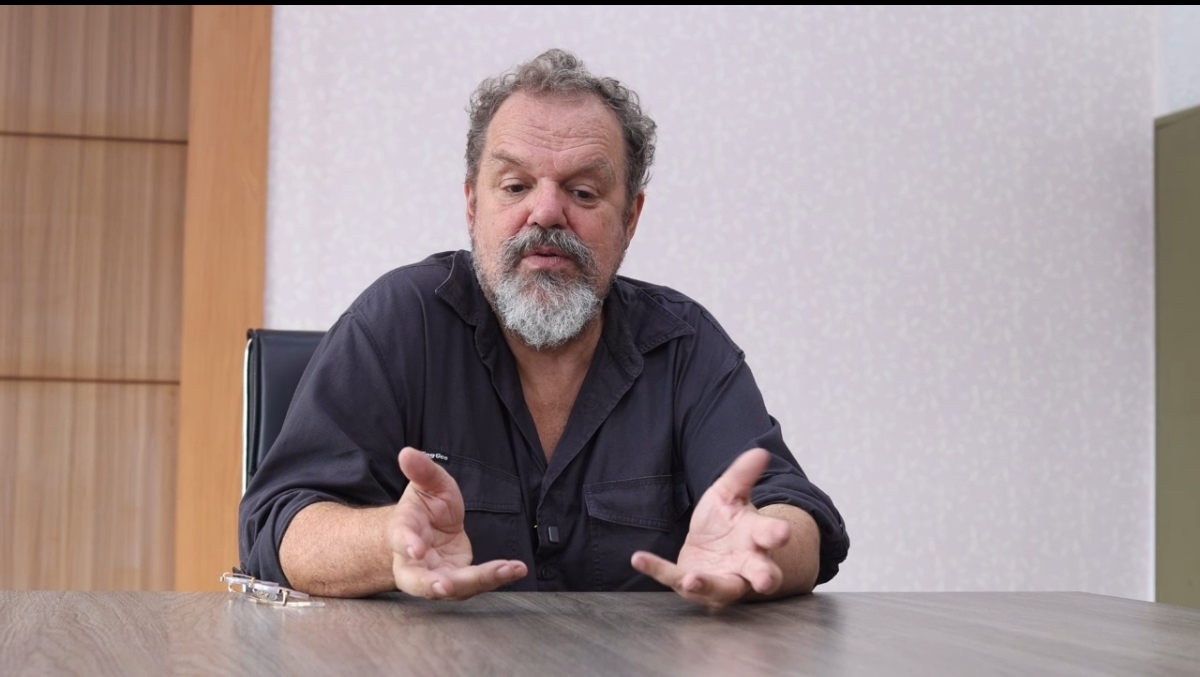
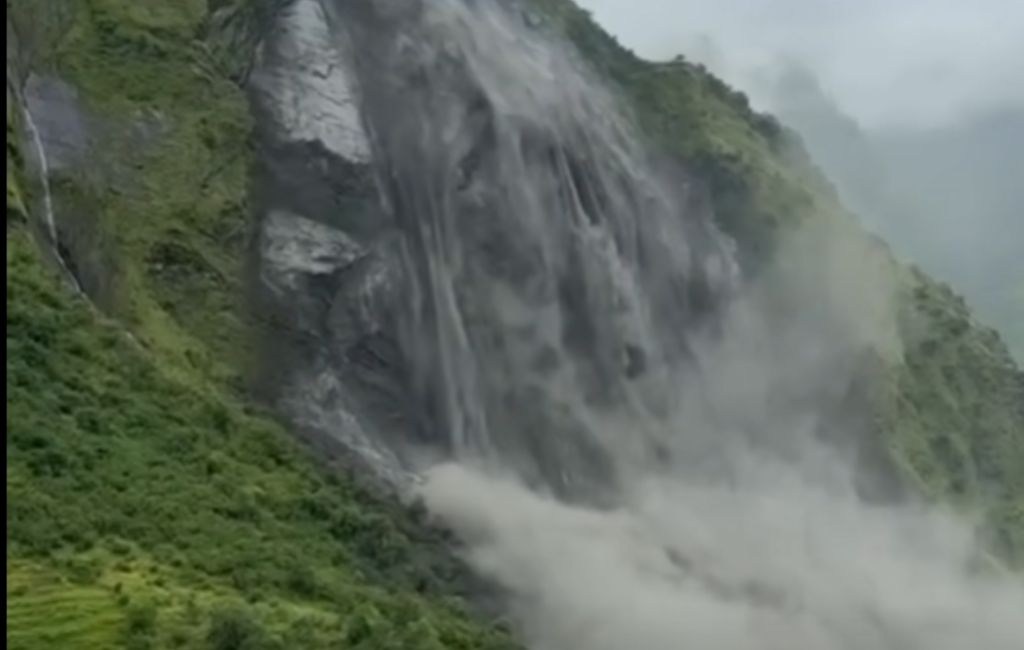
Kathmandu. Professor Arnold Dix, an expert on tunnels and underground structures, has said that the devastating floods in the Bhotekoshi area and the resulting damage to tunnels and other structures of hydropower projects are one of the most unusual disasters in the world.
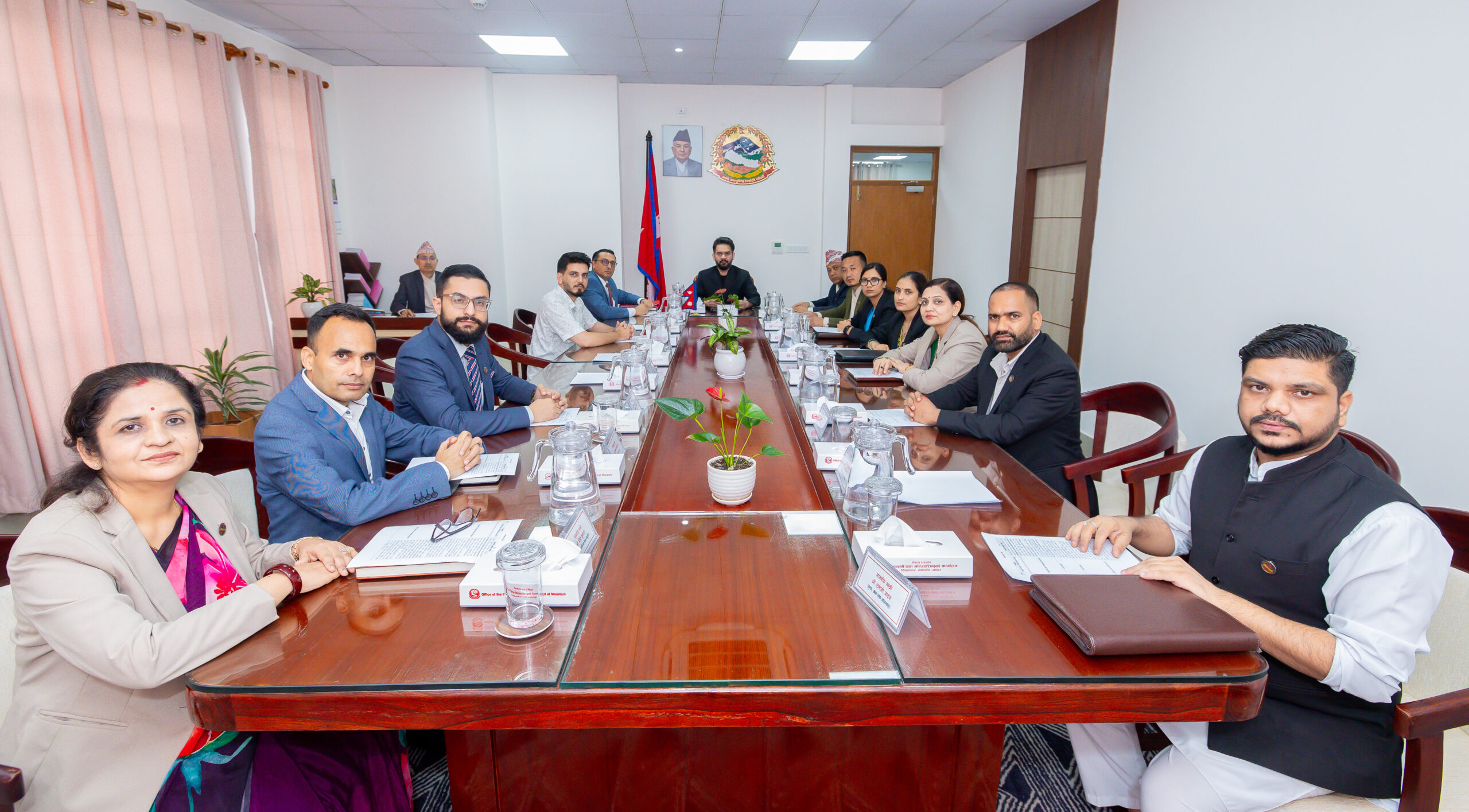
Dicks, who is technically assisting in the search and rescue of those trapped in the tunnels of the flood-affected hydropower project in the Bhotekoshi-Trishuli region, on Wednesday briefed Minister for Energy, Water Resources and Irrigation Biraj Bhakta Shrestha about the latest situation of the rescue operation. Talking to media persons after the meeting, he said that the nature of the disaster and the challenges faced in the rescue are extraordinary.
“It is my experience that this type of disaster is rare in the world. It is probably the first time such a disaster has happened,” he said. According to Dix, the floods had affected an area of about 72 kilometers and in some places there was no immediate option but to air rescue. He said that the rescue team was working at great risk due to the extremely narrow gully, damaged roads and bridges and the geographical conditions where even helicopters could not land.
“There was a situation where even helicopters could not land. The gullies are very narrow. It is a very difficult geography even for rescuers,” he said.
He said that there was no time to blame anyone in such a disaster and praised the coordination of the Nepali side in the rescue operation. He said that the Government of Nepal and the Ministry of Energy, Water Resources and Irrigation were playing a very coordinating role in the rescue work.
“There is no situation to blame anyone now, not even at that time. I do not see any fault of Nepal for such a calamity,” he said.
He said that even if there is a big destruction on the surface, it should not be concluded that the possibility of living people inside the underground structure has been destroyed on the basis of that. He said that the search for possible survivors should be continued as the tunnels and underground structures of the hydropower project are still left.
“We have been carrying out engineering design and tunnel structure studies of hydropower projects in Nepal and have started studying the design, map and other technical details available in the initial phase after the disaster,” he said.
“I have studied the engineering design of hydropower projects and tunnels. After the disaster, I first looked at the available design and technical data,” he said.
According to Dix, the issues of accidents or rescues inside tunnels under normal circumstances rarely come into the public discussion. But in 2023, he came into international limelight after 41 workers were rescued after 17 days in the Silkyara Tunnel in Uttarakhand, India.
Mr Dix, who played a key technical role in the Silkyara rescue, had previously worked in the field of underground structures and tunnel safety.
Dix said the international community stands in solidarity with the rescue efforts in Nepal and wanted to send a message to the Nepalis affected by the disaster that they are not alone.
“Prayer meetings are being held in the local church in my own village only for Nepal. My organization, the International Tunneling Association, is also showing respect and support. Now the heart of the whole world is with you,” he said.
He added, “The world has understood that you have not done anything wrong. This is a natural calamity. My message to the Nepali people is that you are not alone. We have come here to help you. ’
Dix said that the damage caused to the structures of the hydropower projects by the floods is not just the damage to the physical infrastructure. According to him, the destruction in the region should be seen in a broader perspective as hydropower is an important pillar of Nepal’s national development, energy security and sovereignty.
“This is not only a human tragedy but also a matter of intellectual and national loss. Hydropower is very important for Nepal’s national identity, sovereignty and independence,” he said.
He pointed out the need to incorporate the rescue and security system from the design stage of the project to minimize the damage caused by such extraordinary disasters in the future.
Dix made it clear that it would not be appropriate to blame the design of the hydropower project on the basis of the current disaster. According to him, the design prepared on the basis of the knowledge and risk assessment available in the past cannot be said to be wrong only on the basis of the current incident as it is an incident of a nature not seen in the world before.
“If anyone wants to say that the design of these hydropower projects was wrong, then it is a completely wrong conclusion. We have never seen such an incident in the history of the world. Based on what we knew until two weeks ago, the designs were appropriate. Now the situation has changed,” he said.
According to Dix, the current rescue operation is very different from the normal tunnel rescue. He said that the biggest challenge is to get the heavy equipment and skilled manpower required for the rescue to the spot.
According to him, the floods have caused heavy damage to roads and bridges, so equipment could not be transported and the capacity of helicopters could not transport big machines to the incident site.
“We know what equipment we need, but those equipment do not fit in the helicopter. So now the road construction work is going on. Only after the road is reached, big machines can be taken,” he said.
According to him, some heavy equipment weighs up to five tons. He said that if the equipment could not be transported immediately, the alternative of cable bridge or ropeway was also sought to reach the other bank.
He said that all the people involved in the rescue are working day and night even in the most stressful situation. He said that he has been getting positive feedback from the Nepali side regarding the technical assistance and coordination he has sought.
Dix described the current situation as a disaster he had never seen before. “I’ve never seen anything like this before,” he said.
According to him, transporting the human resources, equipment and machines required for rescue at a time when roads, bridges, communication and access infrastructure have been destroyed has become a big challenge in itself.
“Even though thousands of people are ready to work, they cannot be taken to the spot. Even if they reach there, there is no place to stay. There is also a problem in transporting equipment. So this is not an ordinary rescue operation,” he said.
“Despite the difficult geographical conditions, constant risks and limited access, the efforts being made by Nepali and international teams are significant,” Dix said.










प्रतिक्रिया दिनुहोस्