


Kathmandu. Generating electricity, supplying it to the grid and selling it in the market: In Nepal’s energy sector, these three phases are now seen as a single cycle, not separately.
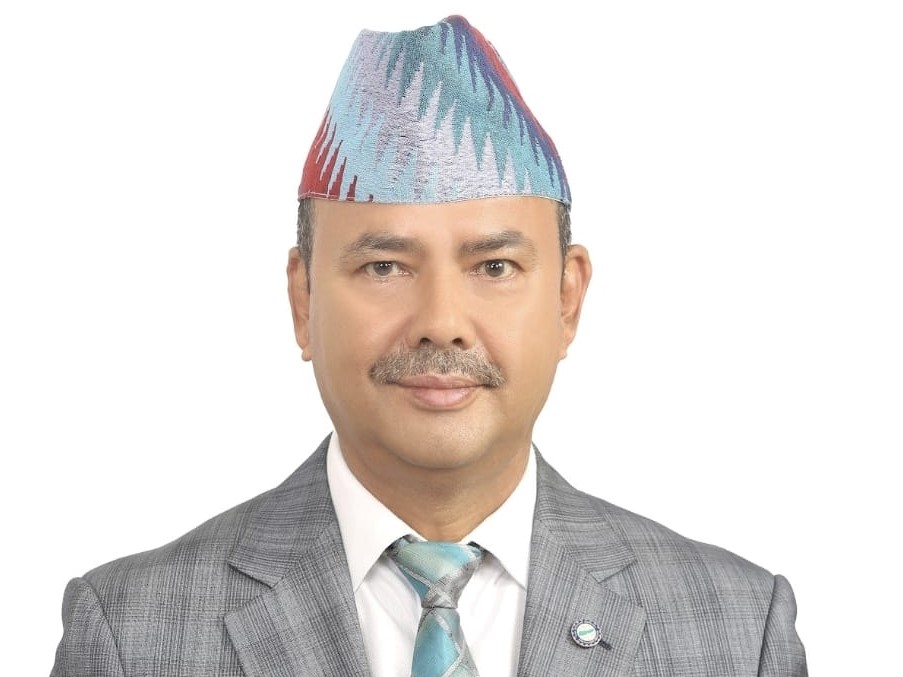
Under the leadership of Minister for Energy, Water Resources and Irrigation Biraj Bhakta Shrestha, efforts are on to bring in new investment and make energy the basis of economy.
27 projects in RCOD first phase
}
In the first phase, the Nepal Electricity Authority (NEA) has added an RCOD (completion date) of 540.47 MW for 27 projects. Currently, 320 projects with a capacity of 8,292 MW are under construction. This exemption is not for everyone: Projects are divided into four categories based on progress and PPA obligations, and category ‘C’ will get notice of default. Private sector power producers have expressed satisfaction with this process.
{{TAG_OPEN_strong_41}PPA: Subcommittee has given the criteria
The sub-committee formed to prepare the criteria for opening PPA has already submitted the criteria.
How the PPA is awarded based on project preparation, broadcast access and financial arrangement will now depend on the board’s decision and implementation. When the sub-committee was formed, the producers complained of delays and policy instability, and they expect clarity to be seen in practice.
Broadcast: The New Door to Private Participation
The problem of the project being built but the transmission line is not being built. The West Seti 400 KV (about 145 km, about Rs. 20 billion) transmission line has been taken forward on the PPP model, and a separate company has been registered for it. The NEA has also started the process of competitive bidding with the participation of private and international companies in four transmission lines.
open access: set the value of the grid usage
}
The Regulatory Commission has fixed the fee for the financial year 2083/84 (the charges for sending electricity from another’s own grid): Rs. 4,13,000 per MW per month in medium and long-term access. 4,13,000 in the short term and 57 paise per unit in the short-term. This can lay the foundation for transactions between producers, traders and big consumers.
Electricity Trade: Law Amendments
At present, private companies have not got a license to trade electricity. The subsidiary company of the NEA has got permission to do business while the private sector has been complaining of discrimination. It has been sent for amendment of the Electricity Act by including electricity trading. The license can be issued only after the amendment is passed and the regulatory system is ready.
In the meantime, the ministry has proposed to give NOC/LOI to the proposed private sector trading company. It is not a final license, but only a preparatory for the future market. It does not automatically allow electricity quantity, transmission capacity reservation or inter-country trade.
The importance of energy storage is increasing to connect volatile sources like solar to the system. The roadmap of the Regulatory Commission includes the issue of developing the rate and guidelines for the purchase of power for storage projects, and the rates are being discussed.
Expected Effect
If these reforms are implemented, there is a possibility of increasing project construction, employment, investment in the banking sector and increasing export earnings. But these effects are dependent on the actual completion of the projects: in the last financial year, the government could add only 561 MW to the grid against the target of 942 MW.
Examination before Minister Shrestha
}
It is not enough to announce a policy. PPP standards should be implemented in practice, RCOD projects should be completed on time, the pace of construction of transmission lines should be accelerated, the Energy Act amendment should go ahead, and the BESS rate should be finalized. If these links are linked, the story of the energy sector can change from ‘adding megawatts’ to ‘transforming the economy’.














प्रतिक्रिया दिनुहोस्