70 per cent of Nepalis find it difficult to afford accommodation
लगानी न्यूज
default
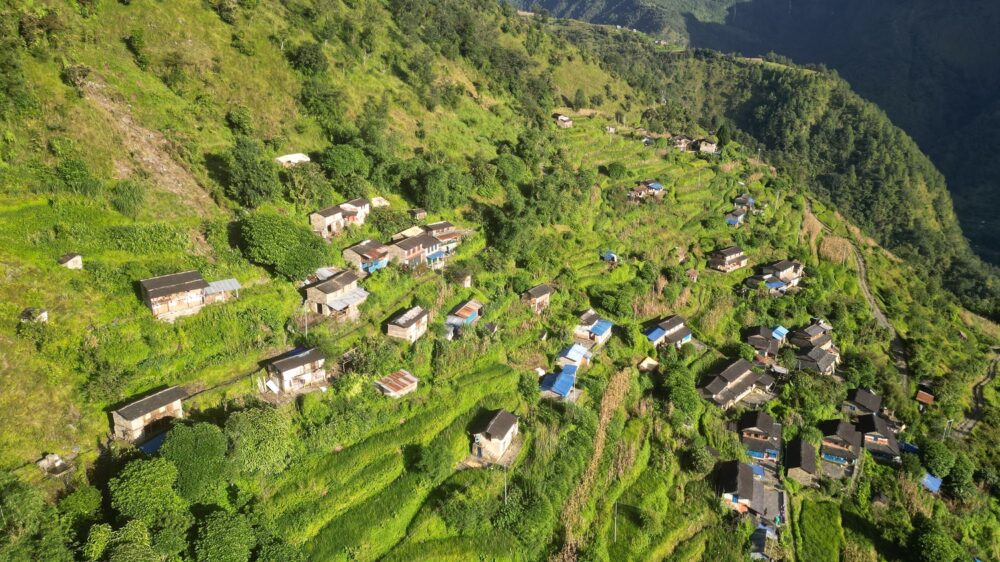
Kathmandu. An international study has shown that 70 percent of Nepalese find it difficult to meet the cost of housing.
Habitat for Humanity International’s ‘Home at What Cost? Global Housing Research 2026’ report says that with the rising cost of housing, the issues of safe housing, disaster risk and residential security are becoming a challenge for Nepali families.
According to the report, 70 percent of the respondents in Nepal said that it is difficult for them to meet the housing expenses regularly. In a survey conducted in 22 countries, the global average of such problems is 34 percent. Similarly, 70 percent of Nepalese expressed concern that they could lose their housing if there is an unexpected problem. Globally, the proportion of people who express such concern is 48 percent.TAG_OPEN_div_72
Financial pressures related to housing are affecting the health, family life and future plans of Nepali families, according to the report. Due to the financial pressure of housing, 28 percent of the respondents said that they have delayed or no treatment due to the financial pressure of housing. Similarly, 36 percent said that necessary home maintenance has been postponed and 21 percent have to seek food assistance.
The relationship between housing and mental stress in Nepal has also been significant. 68 percent of the respondents said that their residential situation is one of the biggest sources of stress in life. The global average is 35 percent. Seventy-one percent are worried about leaving the place where they live in the coming year, while 71 percent are worried that the relevant authorities will not respond in time if an unsafe incident happens in their place of residence.
High concern for climate risk{
}
The study shows that along with the risk of climate and natural disasters in Nepal, the question of safe housing is also serious. 72 percent of the respondents said that it is difficult to feel safe in the place where they live due to extreme weather. The global average is only 30 percent.
} Similarly, 70 percent said that it will be more difficult to live in the current place due to extreme weather in the next three years. The report states that this is the highest proportion among the 22 countries surveyed. 76 percent of Nepalis said that they feel unsafe due to poor housing conditions. Similarly, 73 percent of those who feel safe because of unsafe doors, windows or house boundaries are 73 percent.
Lack of a strong house
}
As housing prices rise, the lack of strong housing is also becoming more serious, according to the report. 78 percent of respondents said that affordable housing is not enough, while 74 percent of respondents say that existing housing policies are not enough to support first-time home buyers. Seventy-seven percent believe that rising housing costs are making it difficult to become a homeowner. However, 71 percent of Nepalese expect to own a home at some point in their life.TAG_OPEN_div_58
The cost of housing has also affected the plans to start a family. 72 percent of the respondents said that it is difficult to think about starting a family due to the cost of housing. Of the respondents who have children, 73 percent expressed concern that the cost of housing is limiting the opportunities available to children. Similarly, 71 percent said that due to the current housing situation, they have to give up on the dreams or ambitions that they once hoped to fulfill.
Dissatisfaction with the housing system{
}
TAG_OPEN_div_52 There is also a significant dissatisfaction among Nepalis with the existing housing system. 72 percent of the respondents said that the country’s housing system is not working effectively. The global average is 56 percent.
The number of Nepalese who consider safe and dignified housing as a basic human right is 83 percent. Similarly, 79 percent said that they would welcome more affordable or social housing in their area where they live.
More vulnerable living in informal housing{
}
The situation of residential security among Nepalis living in informal accommodation has been found to be even weaker. Among the respondents who do not have formal residential documents, are living in temporary accommodation or in other informal arrangements, only 53 percent said that they are confident that they will be able to stay where they are currently living.
According to the report, more than 1.2 million people in Nepal are deprived of safe land or housing, while about 1.3 million families are in informal land and residential ownership arrangements. A total of 1,400 people were surveyed in Nepal for the study. One thousand of them were surveyed online as a national sample. According to the report, the model was prepared to represent the national adult population on the basis of age, gender, region and income, and the data was weighted on the basis of the relevant demographics.TAG_OPEN_div_44
Similarly, another 300 people with a monthly household income of less than Rs 20,000 were included in the survey. A further 100 people in informal housing arrangements were interviewed directly in Kathmandu, Kavre, Bhaktapur and Tokha. The report clarified that the sample of the targeted groups added was not independently nationally representative.
Habitat for Humanity International conducted a survey of about 20 minutes from April 10 to June 30, 2026 through Edelman Intelligence. A total of 30,758 people participated in the survey in 22 countries of the world, including Nepal. The report states that the problem of housing in Nepal is not limited to the construction of houses. The study concludes that the cost of housing, safe land and ownership, climate and disaster risk, safe and sustainable infrastructure, and the availability of affordable housing should be addressed in an integrated manner.














प्रतिक्रिया दिनुहोस्