



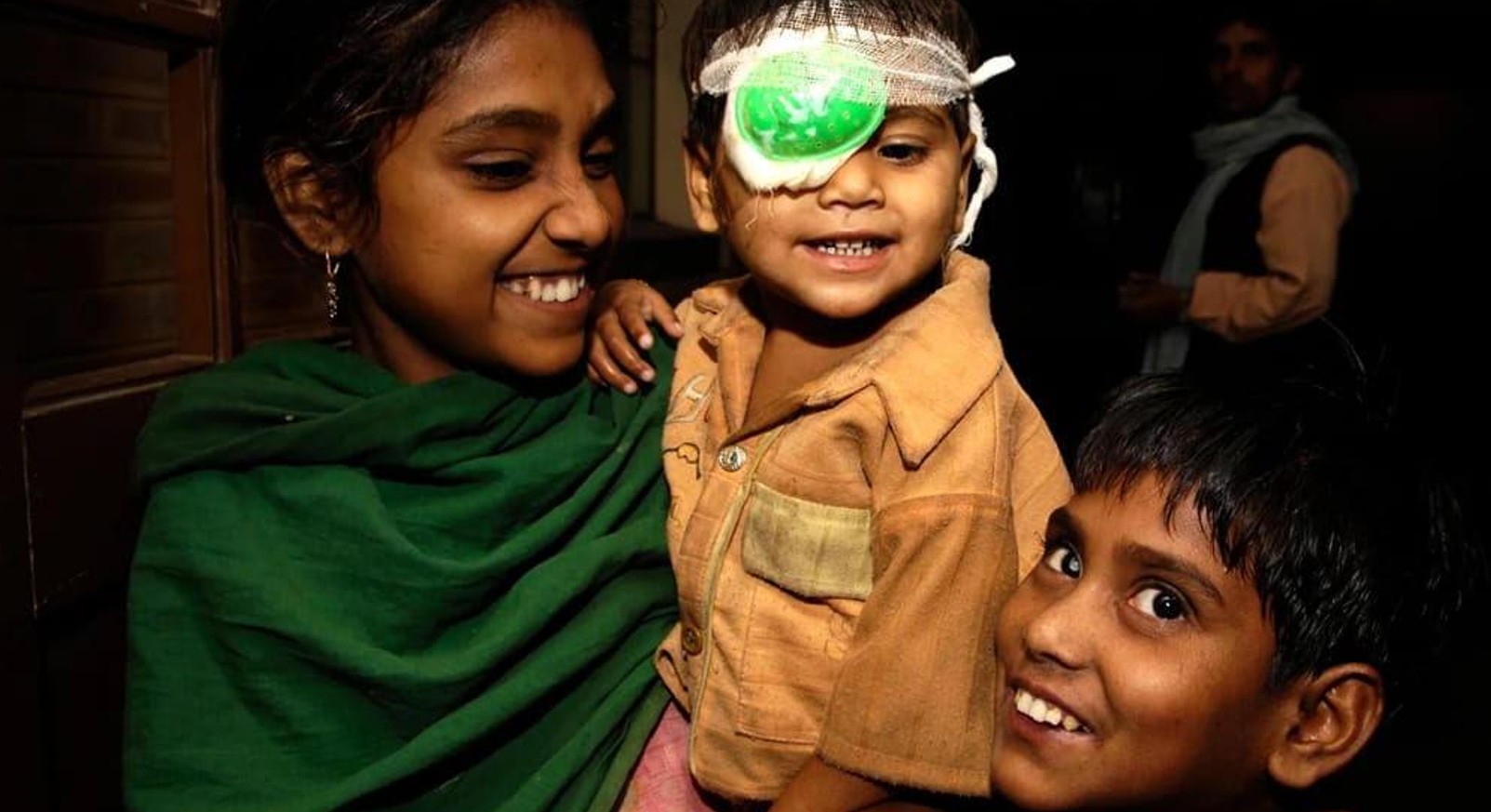
Kathmandu. Nepal’s recent achievements in the field of eye health and the trust earned by the international community have laid the foundation to establish Nepal as an attractive destination for quality and accessible health services.
A unique example of this foundation is the eye health care services being provided by the eye hospitals run under the Nepal Netra Jyoti Sangh to foreign nationals and the free eye treatment service being run in different countries. There are 28 eye hospitals and 226 eye treatment centers within the network of the association.
Due to the excellent service of these hospitals and treatment centers, the compulsion to go to Kathmandu or across the border for eye treatment has ended. In recent times, eye patients from across the border come to Nepal for treatment. For them, Nepali eye hospitals are becoming the center of trust to save their eyesight.
The hospitals and centers affiliated to the federal government have made maximum use of the excellent skills of Nepali ophthalmologists, the latest equipment and quality services brought in eye health. Due to this trust and trust, a new possibility has emerged for the eye health sector of Nepal.
On the other hand, this service that brings light to the eyes has also started contributing to the country’s economy. CA Devraj Pant, Chief Financial Officer of the association, said, “Nepal’s eye health service has started contributing to the country’s economy. The number of foreign patients coming to Nepal’s eye hospitals for treatment is increasing. The income earned from them has also exposed new possibilities.” ”
According to him, these hospitals and centers under the network of Nepal Netra Jyoti Sangh have brought in more than Rs 1.5 billion in foreign currency for providing treatment services to foreign patients in the financial year 2082/83. He said, “This is not only an economic statistic, but also an excellent example of the trust that Nepali health service is earning at the international level. Bringing this money for quality eye health services is to open the door to a lot of possibilities.” According to Chief Financial Officer CA Panta, the income from foreign patients has also highlighted the economic potential of eye health services.
Public trust built by the guarantee of quality service
}
Most of the foreign patients who come for treatment come from India. Similarly, citizens of Bangladesh, Bhutan and other countries are also taking the services of eye hospitals in Nepal. It is not uncommon for the relatives of the patients to take their patients to another country for treatment. The quality of treatment, trust in the doctor, cost, access, duration of service, experience of the patient in the past, and financial factors play an important role in such a decision.
According to Dr. Shailesh Kumar Mishra, executive director of the association, a total of 50.2 million eye patients including Nepali citizens and citizens of other foreign countries have been provided treatment services by the eye hospitals and centers affiliated to the NRNA, while 56,59,624 eye surgeries have been carried out. He said, “Nepal’s eye care is becoming excellent due to experienced ophthalmologists, modern technology and equipment, good results of surgery, patient service, comparatively short waiting period and easy treatment cost.” This is the reason why eye patients from different countries including the border areas prefer to seek services in Nepali eye hospitals. ”
The financial contribution of a foreign patient is not limited to the hospital bill. In addition to the treatment fee, foreign patients can also spend on hotels, transportation, food, medicine, and local markets. The expenses incurred by their family members and associates can also increase economic activity in various businesses. Some people can also visit religious and tourist places in Nepal along with treatment. In this way, health tourism can also contribute to business and employment outside the hospital.
Nepal’s own practice in the reduction of blindness
}
The Nepal Netra Jyoti Sangh was established in 2035 BS with the aim of reducing blindness that can be prevented and treated in Nepal. At that time, specialist eye care services were concentrated in limited areas. It was difficult for the citizens of rural and remote areas to get treatment. According to the association, along with the expansion of hospitals and eye treatment centers, community-based eye health programs, vision tests in schools, cataract surgeries and various specialist services have been expanded. The practice of conducting eye check-ups in the community and sending patients who need further treatment to the hospital has contributed to making the services accessible to the general public.
In Nepal, the rate of blindness has come down from 0.84 percent in 1981 to about 0.28 percent, which shows the progress made in this area. By 2030, the target is to bring this rate down to 0.20 percent. Since this achievement is directly related to a person’s education, employment, income and self-reliance, this achievement has equal social significance.
According to Bharat Bahadur Chand, general secretary of the association, the main objective of the organization is to provide quality eye health services to all citizens. If the service can be expanded while maintaining this social responsibility, it can increase the international recognition of Nepali eye health services and also contribute to the economic activities of the country. He said, “Now, to harness the potential of eye health tourism in a systematic way, the government needs to formulate a clear policy on health tourism, increase investment in hospital infrastructure and technology, ensure quality as per international standards and make the treatment process easy for foreign patients.” It is equally important to expand cooperation and international promotion among health institutions. ”
Nepal’s eye health service is not limited to the treatment of diseases and vision restoration. It combines human services, international trust, and economic potential. If quality services can be expanded while maintaining social responsibility, the Nepali eye health sector can become an important base for economic prosperity and foreign exchange earnings.
















प्रतिक्रिया दिनुहोस्