Skip to content

What to keep and what to remove when cleaning the garden in autumn?

nabil
global ime

Kathmandu. When cleaning the garden in autumn, it is not necessary to cut and remove all the plants.

Some perennials are left standing all winter, providing food and shelter for birds and beneficial insects, while cutting and removing some plants can prevent disease and pest outbreaks. Therefore, the right decision about which plants to keep and which to remove can have a significant impact on the garden’s health, disease control, and ability to flower next year.

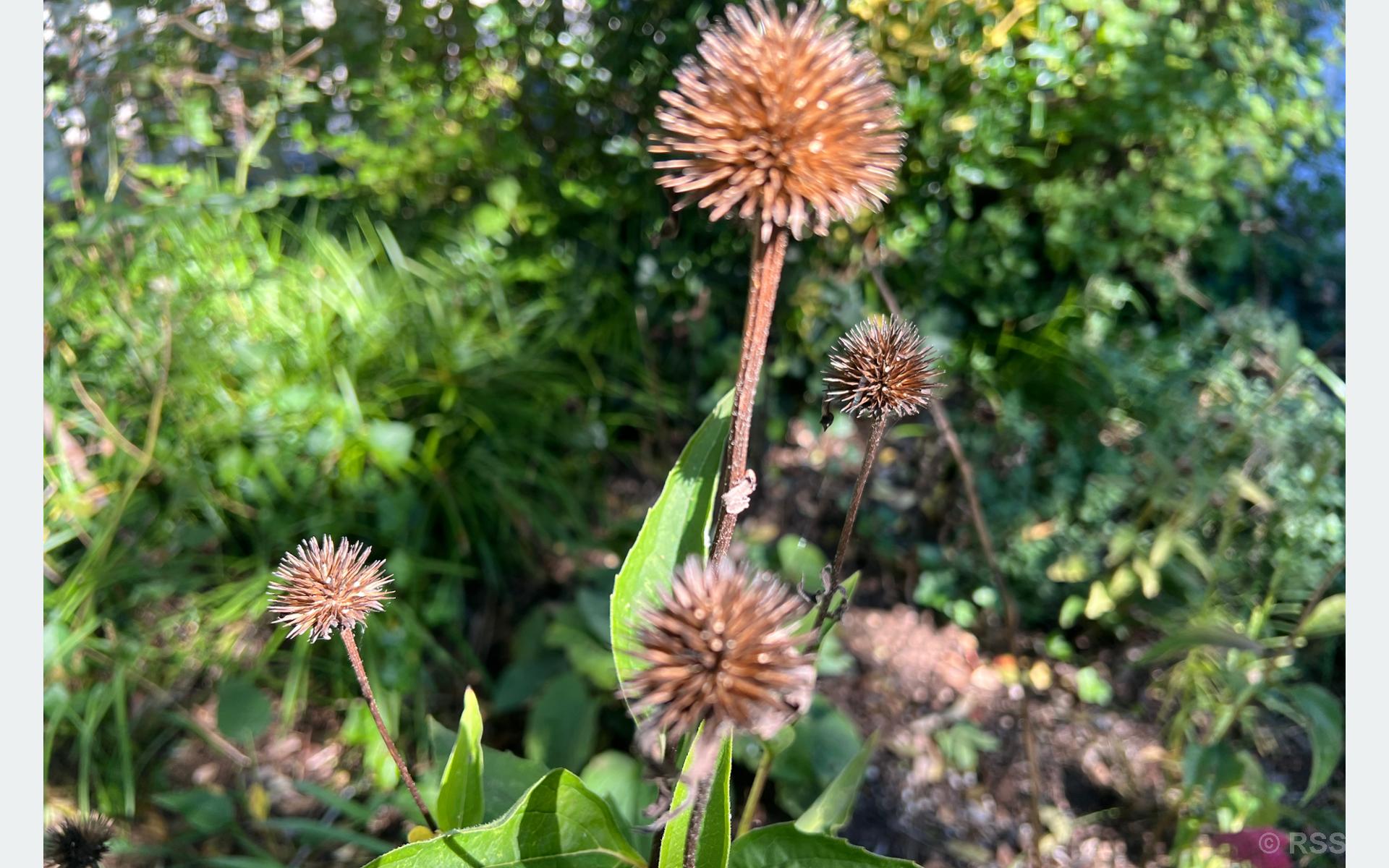
When perennials with seed heads are released in winter, non-migratory birds get food and provide shelter for pollinators and other beneficial insects. Examples of this are allium, asters, large-leaved lupine, black-eyed susan, chocolate flower, conflower, goldenrod, milkweed, rattlesnake master, snigweed, and trumpet bell.

Most shrubs that bloom in the spring form flower buds on the branches that grew last year. Pruning them now can remove the buds that bloomed the following spring. Therefore, shrubs such as azaleas, rhododendrons, forsythia, and hydrangea should be avoided in autumn. If pruning is necessary to adjust their shape or make necessary corrections, it is advisable to prune them within two weeks of flowering.TAG_OPEN_div_38

Ornamental grasses should also be left standing throughout the winter until new growth begins in the spring. This provides habitat for beneficial insects in the winter, and the grass that moves in the wind keeps the garden attractive.TAG_OPEN_div_36

Leaves that have fallen into the garden kernel also do not need to be removed at all. Leaving some leaves there allows the insects to find shelter in the winter. When activated in the spring, these beneficial insects help control the number of other pests that can damage the plants.

Perennials such as Russian sage and lavender with hard stems or with a small amount of hard stems are also best not to be cut in winter. Their upper part protects the crown from the cold, the place where the roots and stems are attached to the surface of the soil.

However, some plants should be cut and removed before winter starts. The dried leaves of the hosta provide a hiding place for slugs and other insects in the winter. Therefore, after the growing season is over, the hosta should be cut to the ground level.

The dried leaves of the iris can also contain the eggs of harmful insects in the winter. If they are not removed, the insects that hatch from the eggs in the spring can damage the plants. To prevent the infestation of the iris next year, it is advisable to cut off the leaves of the iris and remove them now.

Perennials that can cause dust fungus should also be pruned after the growing season is over. This includes herbaceous peonies, bee balms, and phlox. Other plants that are diseased this year should also be cut and removed, as well as their fallen leaves and other residues should be cleared from the garden. This will reduce the risk of disease-causing agents reaching the soil and spreading to the next year’s plants. Annual flowers such as zinnias are also more prone to dust fungus.TAG_OPEN_div_26

Parts of diseased plants should not be kept in compost containers. Such residues should be thrown away as separate waste, so that the disease does not spread to other plants.

Although these seasonal tips apply, the branches and stumps of trees that are dead, broken or diseased can be removed at any time of the year. Leaving such parts can affect the health of the plant and there is a risk of injury to people or damage property due to the winter storms. Therefore, it is necessary to take care of all the plants according to their nature and condition rather than cutting them all at once.

Prabhu
sikhar insurance

प्रतिक्रिया दिनुहोस्

bulet bike
citizen life
MAK 4T
sanima
Gili
CG Digital
sign