



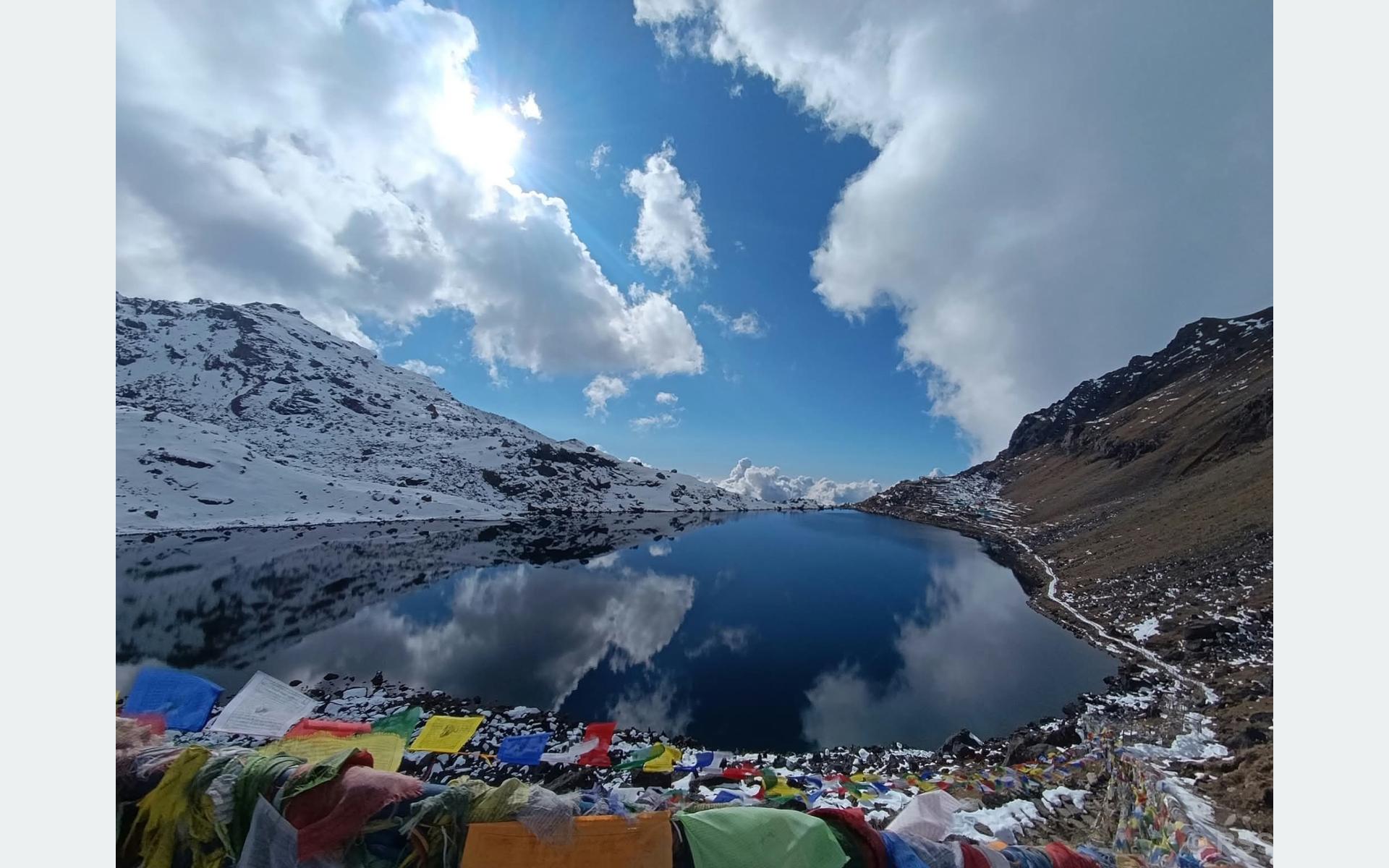
Rasua. Located in the high Himalayan region of Rasuwa, the religious and tourist site Gosainkund has been becoming an attractive destination for trekking and religious tours throughout the year. Situated at an altitude of 4,380 meters above sea level, Gosainkund has seen a steady flow of visitors only during special festivals, but recently, both domestic and foreign tourists have started arriving throughout the year.
With the expansion of the road network and the addition of hotel and lodge facilities on the trail, it has become easier to reach Gosainkunda in any season, according to local businessmen. Since it is possible to reach the district headquarters Dhunche by vehicle from Kathmandu, it is possible to reach Gosainkunda in a two-day trek from there. You can also travel via alternative hiking routes passing through Sundarijal in Kathmandu or Samudra Tar in Nuwakot.
With convenient dining and accommodation facilities on the trail, travelers have started arriving throughout the year, said Srijana Ghale, a hotelier from Khendi. She said that earlier, tourists were only bustling during special fairs, but now domestic and external tourists come throughout the year.
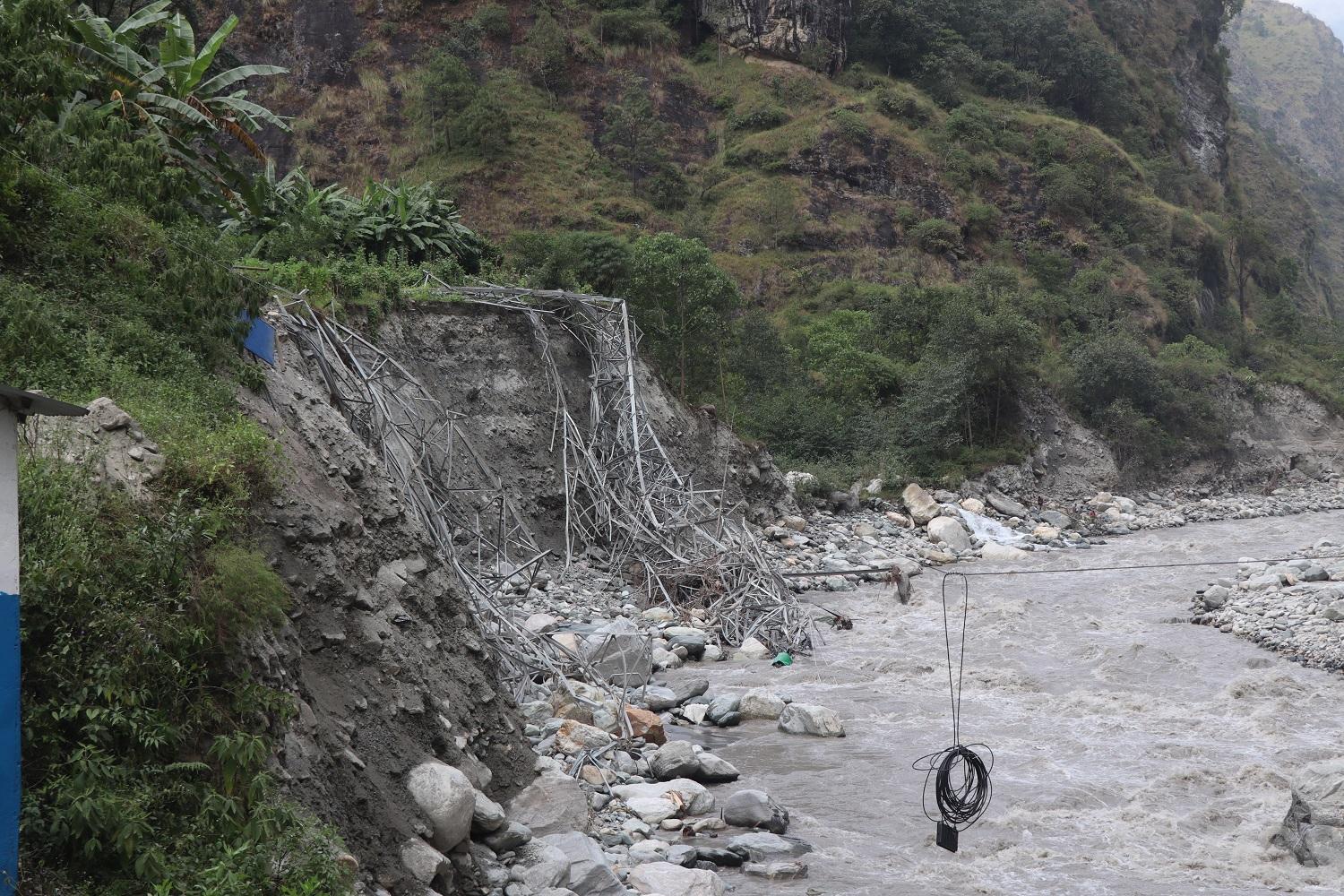
According to Dhunche’s hotelier Vishal Ghale, under normal circumstances, about 100 tourists visit this area daily. On some days, this number tends to be even higher. Although the flood on Bhadra 10, which damaged roads and structures, temporarily affected tourist arrivals, he said that although daily life and tourism business are now returning to their old rhythm.
Sita Devkota, who runs a hotel business in Mini Gosainkunda, also said that although her business was temporarily affected by floods, the arrival of domestic and external tourists is now becoming normal. According to her, during the trip, the Dahichiura of Dhaibung, the stay in Dhunche, and the natural beauty of Chandanbari attract tourists even more.
According to religious beliefs, since deities from all over the world reside in Gosainkund, it is believed that bathing there grants darshan of all the deities, says local social worker Dawafinjo Tamang. According to mythological legend, after consuming the poison of Kalakoot, which emerged from the churning of the ocean, Lord Shiva struck the ground with a trident to drink the water that emerged and then rested there.
There is a religious belief that the Gosain Kund was formed from the water flowing from the trident, and Lord Shiva still rests in the kund to this day. Local priest Tanka Prasad Dhakal explained that there is a tradition where devotees go to Niladri Hill to worship Shiva and seek blessings, believing that bathing in the kund removes diseases and brings peace and peace to their homes.
Gosainkund also holds historical significance. Purohit Dhakal explained that there is a history of national luminary Amar Singh Thapa renouncing his death at Gosain Sthan due to the pain of Nepal’s lack of interest due to the Sugauli Treaty following the Nepal-Anglo-British war. According to him, Thapa spent his final days in a cave located on the cliff south of the pond.
{{TAG_OPEN_div_25}Every year, more than 10,000 devotees and hikers visit the Gosain Kund area. Pilgrims with religious faith traditionally ask for leave from their family deity before starting their journey, shave their hair in the Vetravati River, and perform Ganga worship. During the journey, there is also a tradition of chanting ‘Om Namah Shivaya’ while climbing Suladri Hill (Laurivinayak to offer a lauri).














प्रतिक्रिया दिनुहोस्