



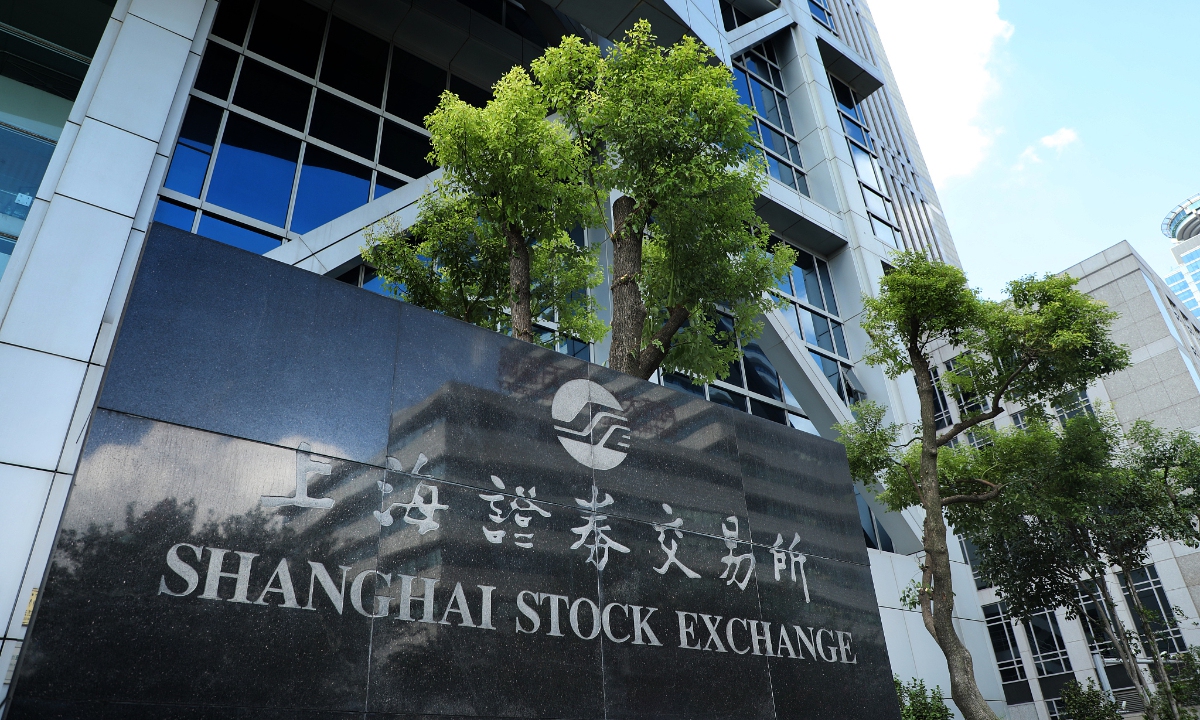
Kathmandu. China has announced various measures to stabilize its stock market. Under this, it has been decided to reduce the minimum margin amount required for investors who take loans to buy shares.
According to China’s securities regulator, the margin ratio on the Shanghai, Shenzhen, and Beijing Stock Exchanges will be reduced from 100 percent to 80 percent. This arrangement will take effect from November 30.
This decision is theoretically expected to inject about 400 billion yuan (approximately 59.58 billion US dollars) into the market with an additional investable amount.
According to experts, reducing margin ratios is one of the main policy tools used to mitigate the impact of adverse economic cycles in China’s stock market. In the past, reducing such ratios has led to increased margin trading and share buying and selling activities.
Meanwhile, the Shanghai and Shenzhen Stock Exchanges have introduced new arrangements to offer discounts on various fees. Under this, the business unit usage fees that participating institutions pay will be waived.
The previously implemented exemption for listing fees and debt transaction fees for listed companies will also be extended for an additional two years until 2028.
On the same day, the Shenzhen Stock Exchange began seeking public opinion on the draft rules concerning the market maker system for share trading on the Rijshshlat Board, considered the market for China’s technology and development-oriented companies.
According to the exchange, implementing a market maker system is expected to ease demand and supply of shares in the market, as well as help improve market stability and transaction quality.
These measures were announced as China’s major stock market indicators have been declining in recent days. Earlier on Friday, a sharp drop in the US stock market had also increased concerns among investors worldwide.
Earlier this month, China’s central bank also further eased monetary policy to support capital markets.
This was the third time the bank operated a swap facility designed for securities, funds, and insurance companies. This is expected to help financial institutions raise funds and enhance their ability to invest in the stock market.
Similarly, the interest rates on refinancing facilities available for share buybacks and increased share ownership have also been reduced.
Through recent policy measures, the Chinese government appears to have sought to increase investment flows into the stock market, maintain investor confidence, and improve market stability.














प्रतिक्रिया दिनुहोस्