



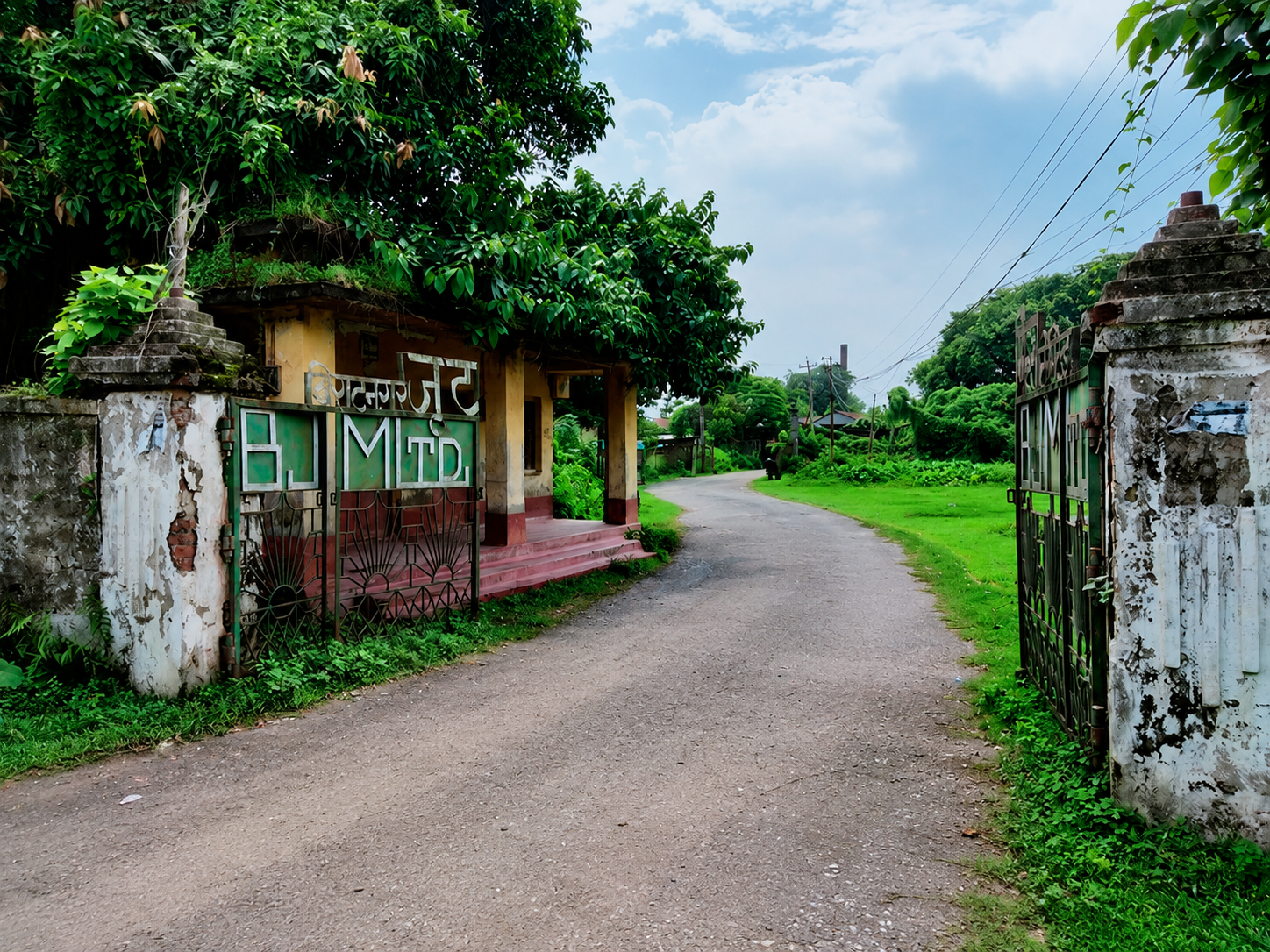
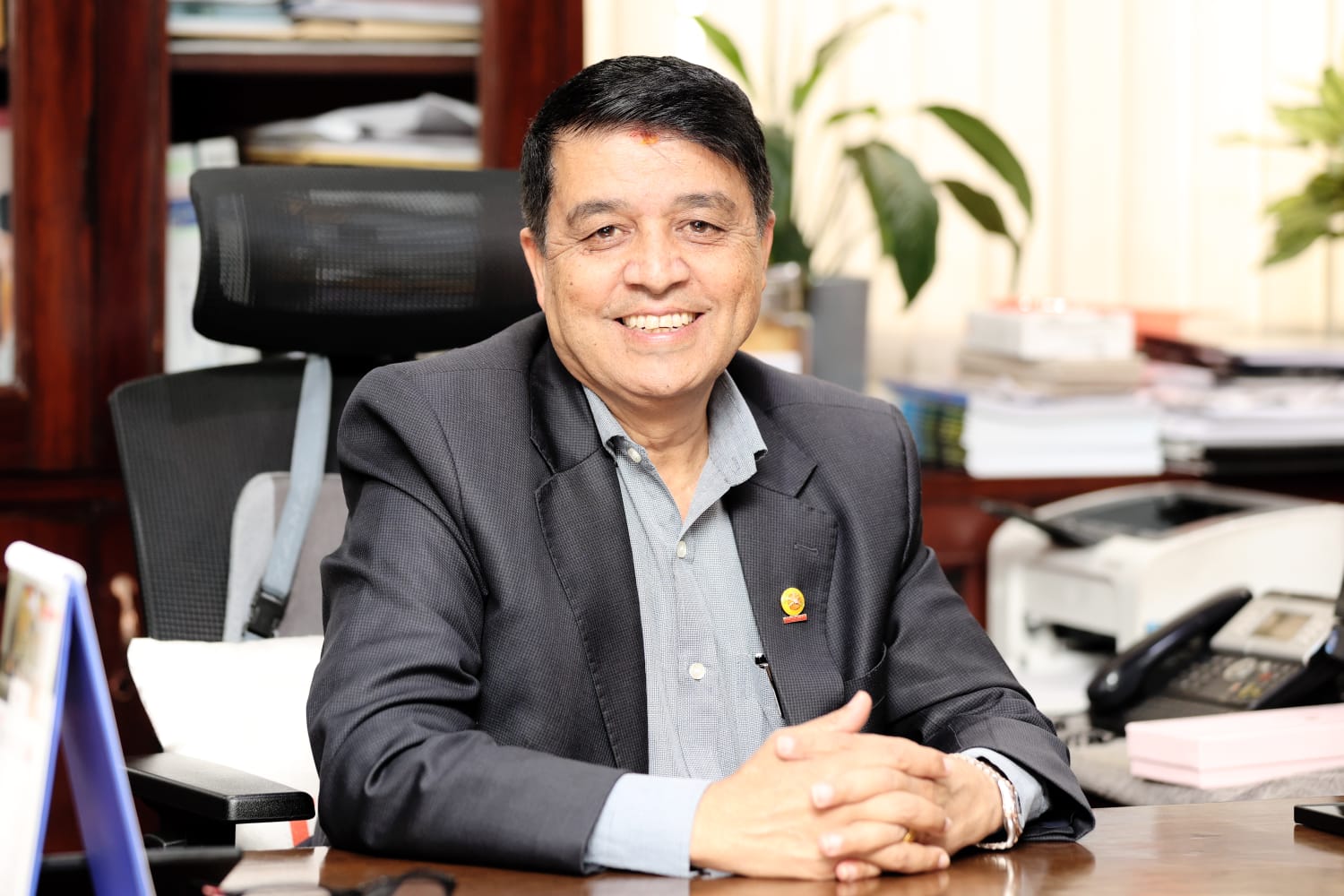
Kathmandu. The process of restarting Nepal’s first modern industry, the Biratnagar Jute Mill, which had been closed for a long time, has moved forward. Minister of Industry, Commerce, and Supply, E. Deepak Kumar Sah, has called for a Letter of Intent (EoE) for investors to restart the mill with modern technology.
Biratnagar Jute Mill Limited appealed on Mangsir 9 to submit a letter of intent to domestic and foreign investors within 35 days for the revival, modernization, and long-term operation of the industry under the public-private partnership (PPP) model.
Since taking charge of the ministry, Minister Sah has prioritized the revival of closed and ailing industries and has advanced policy and administrative processes for jute mill operations. This process, driven by coordination and policy facilitation within the ministry, is seen as an important initiative to revive Nepal’s industrial sector.
According to the proposed plan, the goal is to produce at least 125 metric tons of jute products daily once the jute mill resumes. It is projected that when the industry operates at full capacity, more than 5,000 people will receive direct employment.
There is a plan to make a total of 67 bighas of industrial land in Biratnagar and Damak available under a long-term lease or partnership concept for 35 years for the re-operation of the mill.
The government has introduced special security measures to attract investment. It has been proposed that the management of the mill’s old financial, administrative, and labor obligations will be taken over with the assistance of the Government of Nepal. This arrangement will keep new investors free from the burden of past debts and liabilities.
Similarly, under the Industrial Business Act, 2076 and the Foreign Investment and Technology Transfer Act, 2075, there is a plan to provide customs concessions on machinery imports, facilities to withdraw dividends, and lease rent concessions in the early years.
{{TAG_OPEN_div_18}Established in 1936, that is, 1993 B.S., Biratnagar Jute Mill is Nepal’s first modern industry. Due to political instability, managerial weaknesses, and various economic problems, this industry has repeatedly shut down, and it is expected that if it reopens, it will add a new chapter to Nepal’s industrial history.











प्रतिक्रिया दिनुहोस्