

Kathmandu. Diplomatic initiatives have intensified in recent days amid the ongoing war in the Middle East, and there are signs of dialogue and dialogue between the major parties. Regional and international power centers are actively involved at a time when the US leadership claims the war is on the verge of an end.
US President Donald Trump has said the war with Iran is “very close to ending”. According to him, US-Iran peace talks are likely to resume this week. At the same time, the news that Israel and Lebanon have agreed to start direct dialogue has also strengthened efforts to reduce regional tensions.
Meanwhile, Chinese President Xi Jinping met with Russia’s senior diplomat Sergei Lavrov in Beijing. China and Russia have already pledged to jointly de-escalate tensions in the Middle East. It has added a new dimension to the diplomatic balance.
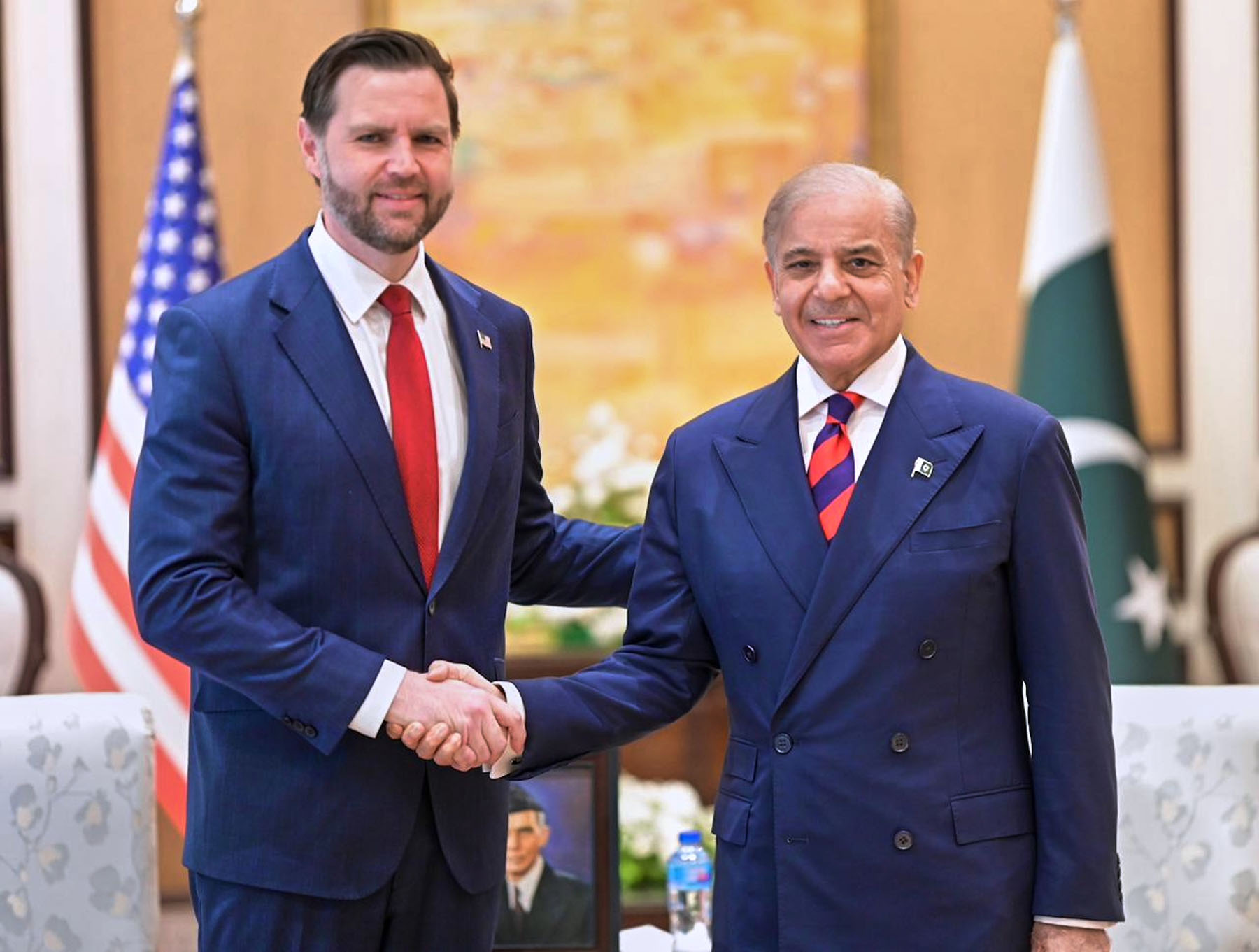
U.S. Vice President J.D. Vance has said that peace is possible only if Iran makes a clear commitment not to develop a nuclear weapon. Iran’s nuclear program remains the main point of contention in the current conflict, although Tehran denies developing a nuclear bomb. The US side has indicated that it will continue the talks.
After talks in Washington, Israel and Lebanon have agreed to sit for direct talks. The talks, brokered by US Secretary of State Marco Rubio, have been described as “productive” and are expected to ease tensions along the border.
However, the impact of the war is being felt in other areas as well. Ukrainian President Volodymyr Zelenskyy has said that the United States’ focus on the war in Iran has diminished interest in Ukraine. He also blamed Russia for not putting enough pressure on the US to disrupt US arms supplies.
The United States has also announced that it will not renew the temporary sanctions waiver on Iranian oil. This indicates that the policy of maintaining economic pressure on Tehran will continue. The U.S. Navy said it had stopped some ships departing Iranian ports, although some were reported to have sailed through the Strait of Hormuz.
Lebanon-based Hezbollah said it had launched rocket attacks on 13 cities in northern Israel, indicating tensions persisting amid ceasefire efforts.
On the other hand, there are indications that the second round of talks between the US and Iran can be held in Pakistan. Pakistan is trying to mediate for this. Sources say that efforts are being made to extend the temporary ceasefire period to make the talks a success.
US President Donald Trump has expressed dissatisfaction with Italian Prime Minister Giorgia Meloni for not providing the expected support to the war. This indicates that there are differences within the Western alliance as well.
On the humanitarian side, the International Red Cross and Red Crescent said it had delivered relief supplies to Iran for the first time, which is expected to bring some relief to the war victims.
The economic impact of the war is also deepening. The International Monetary Fund (IMF) has cut economic growth in the Middle East and North Africa to 1.5 billion by 2026. It has been reduced to 1 percent. Iran, Iraq and Qatar will be particularly affected if oil and gas supplies are disrupted. Energy supply is expected to improve next year if it returns to normal.














प्रतिक्रिया दिनुहोस्