

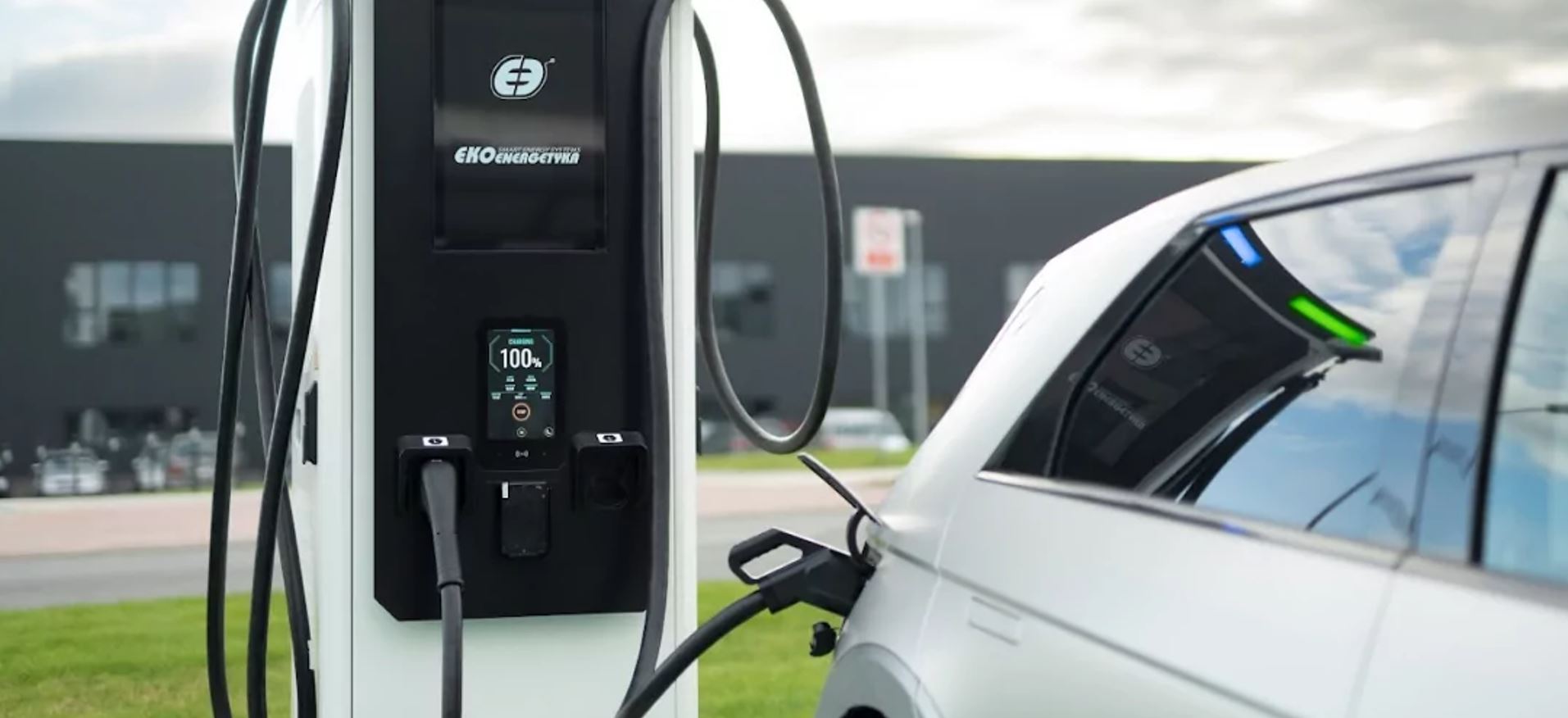
Kathmandu. According to a study conducted by the Ministry of Infrastructure Development, at least 10,000 charging stations need to be built across the country to further promote electric vehicles (EVs) across the country. According to the ministry’s report on opportunities, challenges and prospects for EV promotion in Nepal, 10,000 charging stations need to be built across the country.
According to the report, if the same number of charging stations could be built by 2030, the promotion of electric vehicles would be significant. Currently, there are a total of one thousand charging stations in operation across the country. Most of the stations are operated by authorized dealers of electric vehicles.
Bishal Group, Paramount Motors, VG Automobiles have built 250 MW and 160 MW Increment, 70 Cimex Inc, Digo Pvt. Ltd. has built 120 Shashila Motors and 17 Triveni Group have been operating charging stations. Most of the stations are concentrated in major cities like Kathmandu, Pokhara, Bharatpur and other areas.
The then Ministry of Physical Infrastructure and Transport had formed a task force and submitted a report on the preparations to be made for the promotion of electric vehicles. According to the report prepared by the task force headed by Joint-Secretary Krishna Raj Pantha, charging infrastructure, cost of battery, road infrastructure, reuse of battery and disposal have been identified as the challenges.
Similarly, skilled manpower and international experience, limited participation of private sector, lack of skill development and dependence on import of auto parts have been cited as challenges. High starting cost, low resale price, quality of vehicles, lack of qualified drivers, lack of use of electric vehicles as large vehicles and goods carriers are some of the challenges.
Investment in electric vehicle-friendly physical infrastructure, encouraging private investment, charging stations and battery swapping policy, challenges in battery life and management, research and development of technology, lack of standards are also taken as challenges.
According to a report on ‘Opportunities, Challenges and Prospects for EV Promotion in Nepal’ released by the Ministry of Infrastructure Development, charging is inadequate on highways, rural areas and villages, making it difficult to use electric vehicles as a public vehicle and manage long distance travel.
The government has adopted a policy to promote electric vehicles with the objective of increasing the internal consumption of hydropower. The government has also set a target to promote electric vehicles in the budget for the coming fiscal year. The Nepal Electricity Authority (NEA) has been operating 62 high-speed chargers with a capacity of 142 KW to save currency exchange.
The NRA had allocated more than Rs 10 million for the expansion of infrastructure in seven major areas in the current fiscal year. About one lakh kilometers of road network has reached across the country. The policy has been adopted to increase the domestic consumption by optimally utilizing the charging station of electric vehicles, to protect the country from fuel price fluctuations and supply disruption through domestic energy.
Meanwhile, Minister for Energy, Water Resources and Irrigation Biraj Bhakta Shrestha said the ministry was taking planned efforts for the promotion of electric vehicles. The ‘Energy Consumption Enhancement and Export Strategy, 2083’ prepared by the Ministry mentions the expansion of the network of charging stations across the country. The project is targeted to be completed by fiscal year 2085÷86.
The government has set a target to give priority to charging stations at petrol pumps and electric vehicles in public. The Energy Ministry has designated NEA as the responsible body for this task. The company aims to increase its internal power consumption capacity by operating electric buses and trolley buses in major cities.
According to the statement, electric vehicles will play an important role in achieving the goal of achieving 90 percent private electric vehicles by 2030 and net zero carbon emissions by 2045.
According to the report, the study will reduce the operating cost and create employment, reduce air pollution, modernize public transport, reduce road accidents, increase urban transport efficiency and increase tourist attraction.












प्रतिक्रिया दिनुहोस्