

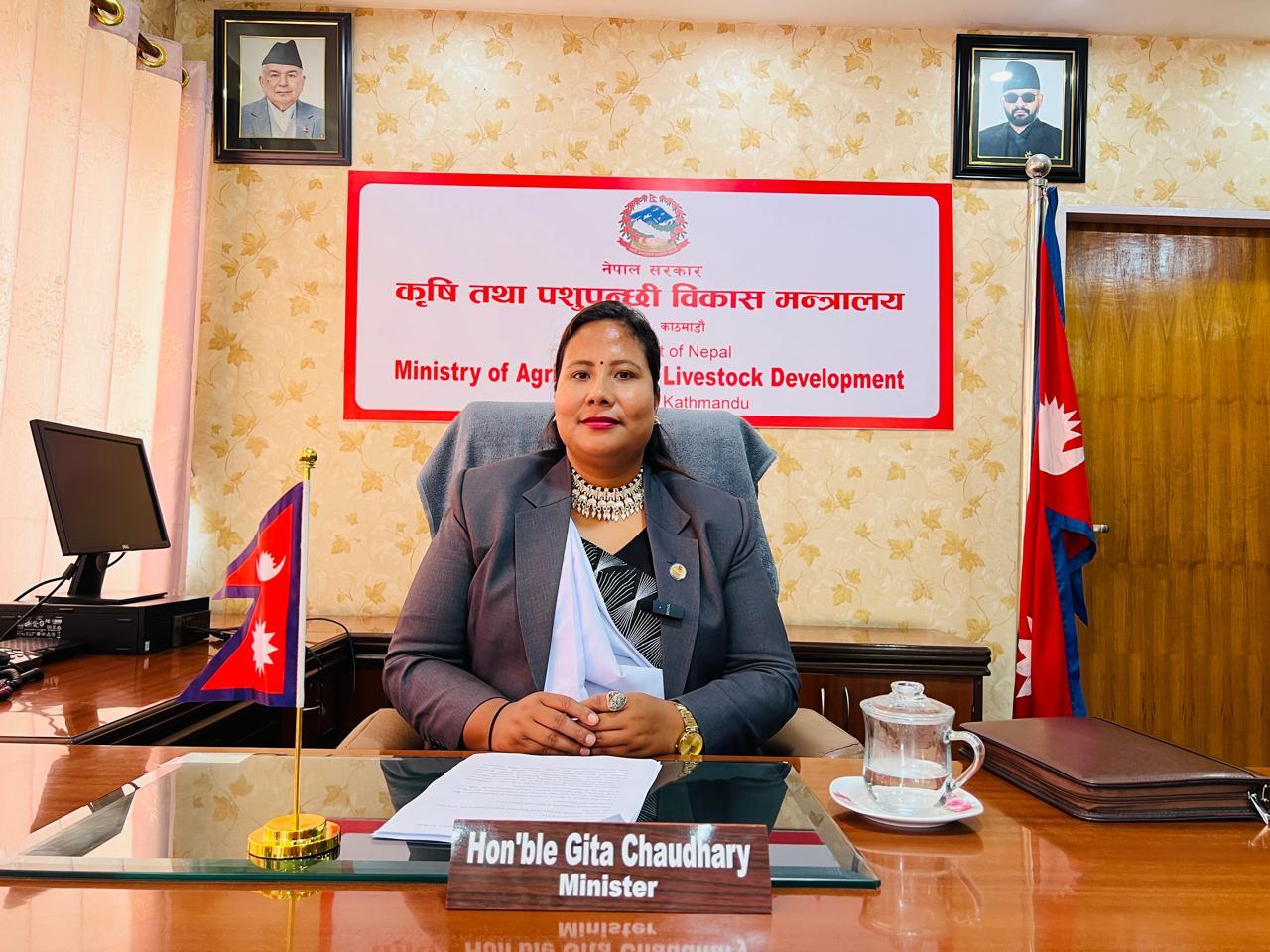
Kathmandu. Minister for Agriculture, Forest and Environment Geeta Chaudhary underscored the need for stronger regional cooperation among South Asian countries to address common environmental challenges such as plastic pollution, climate change and biodiversity loss.
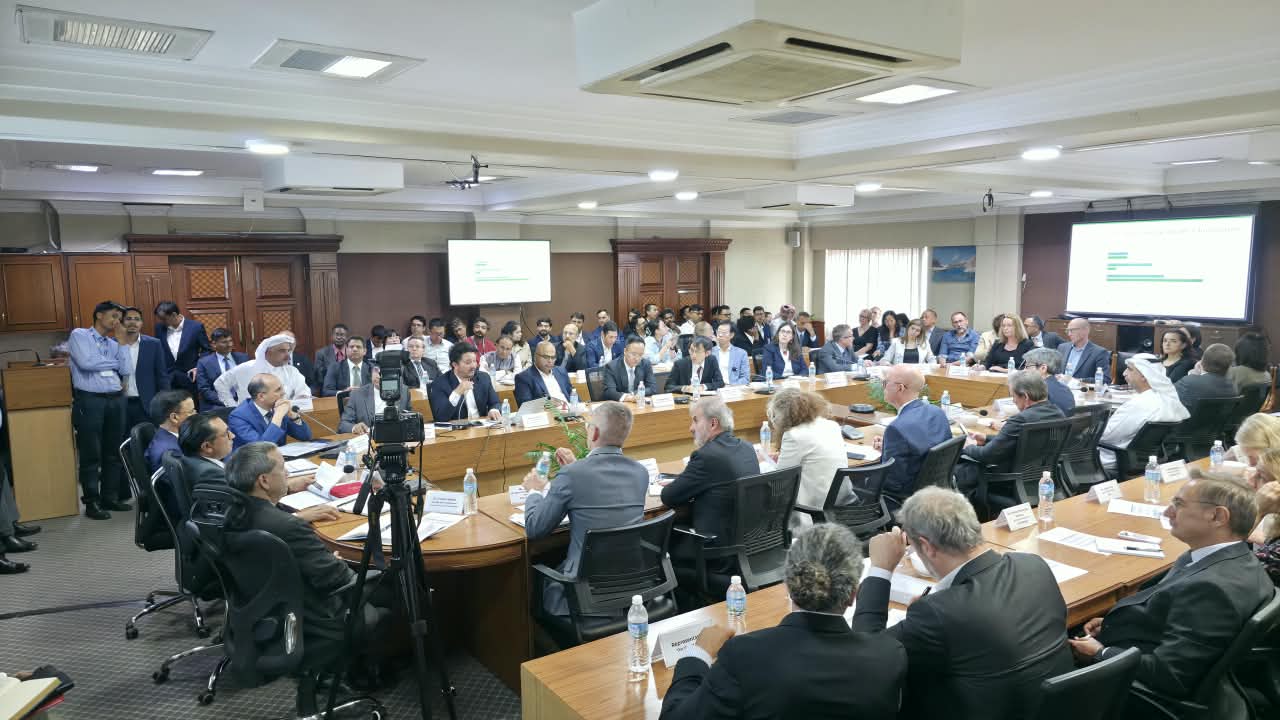
In his address to a regional training organised under the South Asian Cooperative Environment Programme (SACEP) here today, he said collective efforts, innovative solutions and regional unity were essential to address the environmental problems.
Stating that the South Asian region stretching from the Himalayas to the sea has been badly affected by climate change, air pollution and plastic pollution, Minister Chaudhary said that the situation of glacial melting, rising sea level and finding microplastics in river water and human blood is a worrisome situation. He said such problems were having a negative impact on human health as well as biodiversity.
On the occasion, Minister Chaudhary said the principles of compensation to polluters through the Environment Protection Act and Regulations, sustainable development and mitigation of climate change were being implemented as the Constitution of Nepal has guaranteed every citizen’s right to live in a clean and healthy environment.
He informed that the government has banned plastic bags having a thickness of less than 40 microns and preparations were underway to ban single-use plastic items as well. Minister Chaudhary stressed on the need to control such materials as they emit chemicals and microplastics which are harmful to health.
Nepal made significant progress in community forestry management, expansion of renewable energy and enhancement of climate resilience of mountain ecosystems, he said. However, the role of regional mechanisms like SACEF was significant to resolve environmental problems of trans-border nature, Minister Chaudhary said.
He stressed the need of emphasizing the use of innovative concept as the traditional management system based only on waste collection and disposal was not adequate for managing diverse types of waste at present. “The problem is not going to be solved in the traditional way. Therefore, there is a need to effectively implement modern concepts such as circular economy and extended producer responsibility (EPR). The government will also facilitate for the same,” he said.
According to Minister Chaudhary, the EPR makes the producers, importers and brand owners responsible for the environmental impact that will arise in the entire lifecycle of the product. Similarly, the plastic credit system will encourage collection and reuse of plastic waste by increasing investment and participation of the private sector.
Stating that the Government of Nepal has already implemented the EPR concept through plastic bag control and regulatory directives, Minister Chaudhary said that institutional, technical competence, reliable data, effective monitoring and multilateral partnership are needed for the successful implementation of such policy.
Describing the training as an important opportunity to promote knowledge sharing, practical learning and regional cooperation, he expressed the belief that the experience gained from this training would help implement innovative practices at the local level.
Minister Chaudhary called on the member states to recommit to the shared vision of South Asia to advance economic development and environmental sustainability hand in hand, ensure community prosperity in coexistence with nature, and leave no country behind. He called on the member states to show more solidarity on the issues of environmental protection and control of cross-border pollution.













प्रतिक्रिया दिनुहोस्