

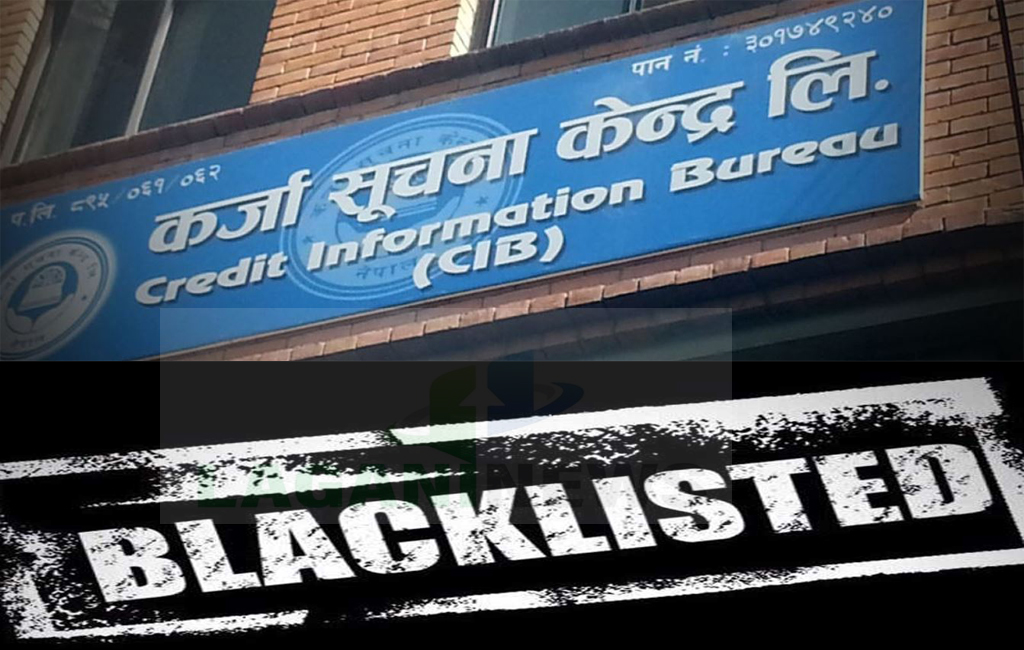
Kathmandu. Credit Information Center has earned a profit of Rs 765.59 million in the fiscal year 2081/082. The number of people blacklisted is increasing due to the deteriorating financial condition of industrialists. The Credit Information Center has taken advantage of this.
Looking at the statistics of the last 5 years, the profit of the center has increased significantly. According to the center, the profit of the center has been increasing continuously for the last 4 years.
In the last fiscal year, there has been a slight decline in profit compared to the previous year. According to the data, the company had earned a profit of Rs 48.47 crore in the fiscal year 2077/78. The profit had increased to Rs 56,85,83,500 in the fiscal year 2078/79.
Similarly, in the fiscal year 2079/80, the profit had increased significantly to Rs 711 million 28 thousand 428. Similarly, in the fiscal year 2080/81, the profit had increased to Rs 80,78,61,313.
In the fiscal year 2081/82, the profit has decreased to Rs 765.59 million. Compared to the fiscal year 2080/81, the profit of the central government decreased by Rs 42.26 million or 5.23 percent in the fiscal year 2081/082.
In the last four years, the profit has increased due to business environment, investment return, operating expenses and other financial reasons.
The blacklisting of Nepali industrialists has increased in the last half a decade due to the difficult business and financial condition of Nepali industrialists. The profit of the Credit Information Center has increased due to the blacklisting of businessmen.
According to the Centre, the number of borrowers on the blacklist has increased by almost eight times in five years.
According to the Centre, the number of borrowers who have taken loans from banks and financial institutions and are blacklisted due to cheque bounce has increased significantly in the last 5 years. According to the Centre, the number of borrowers blacklisted was 16,987 in the fiscal year 2077/78 BS and the number reached 129,974 by the end of the fiscal year 2081/82.
According to the Centre, the number of people blacklisted has been increasing rapidly in the last 3 years. The blacklisting rate has increased by an average of 67.6 percent annually during this period, while the average growth rate is 66.5 percent. The incidence of cheque dishonour under non-credit facilities is higher among blacklisted individuals as well as loan users.
According to the Centre, 6,514 new borrowers were added to the blacklist in the fiscal year 2077/78 BS while the names of 1,818 borrowers were removed from the blacklist. The number of borrowers was 16,987 in the fiscal year.
According to the Centre, 3,202 people were removed while 15,995 were added in the fiscal year 2078/79. The number of borrowers blacklisted was 29,780 in the fiscal year. This was an increase of 75.3 per cent compared to the previous year.
Similarly, in the fiscal year 2079/80, 34,081 new people were blacklisted while 7,263 people were removed. At the same time, the number of borrowers blacklisted has reached 56,598. This number had increased by 90 percent in the previous fiscal year.
Similarly, in the fiscal year 2080/81, the number of people blacklisted had reached 52,303 and the names of 14,424 people were removed. At the end of the fiscal year, the number of borrowers blacklisted had reached 94,477. This number had increased by 66.9 per cent in the previous fiscal year.
Similarly, in the fiscal year 2081/82, 53,571 new people were blacklisted. Similarly, 18,074 people were removed from the blacklist. At the end of the current fiscal year, the total number of borrowers on the blacklist stood at 129,974. This number has increased by 37.5 percent.
According to experts, the number of blacklisted people has increased due to the slowdown in economic activities, decline in loan repayment capacity, business crisis and increase in cases of cheque dishonor.

















प्रतिक्रिया दिनुहोस्