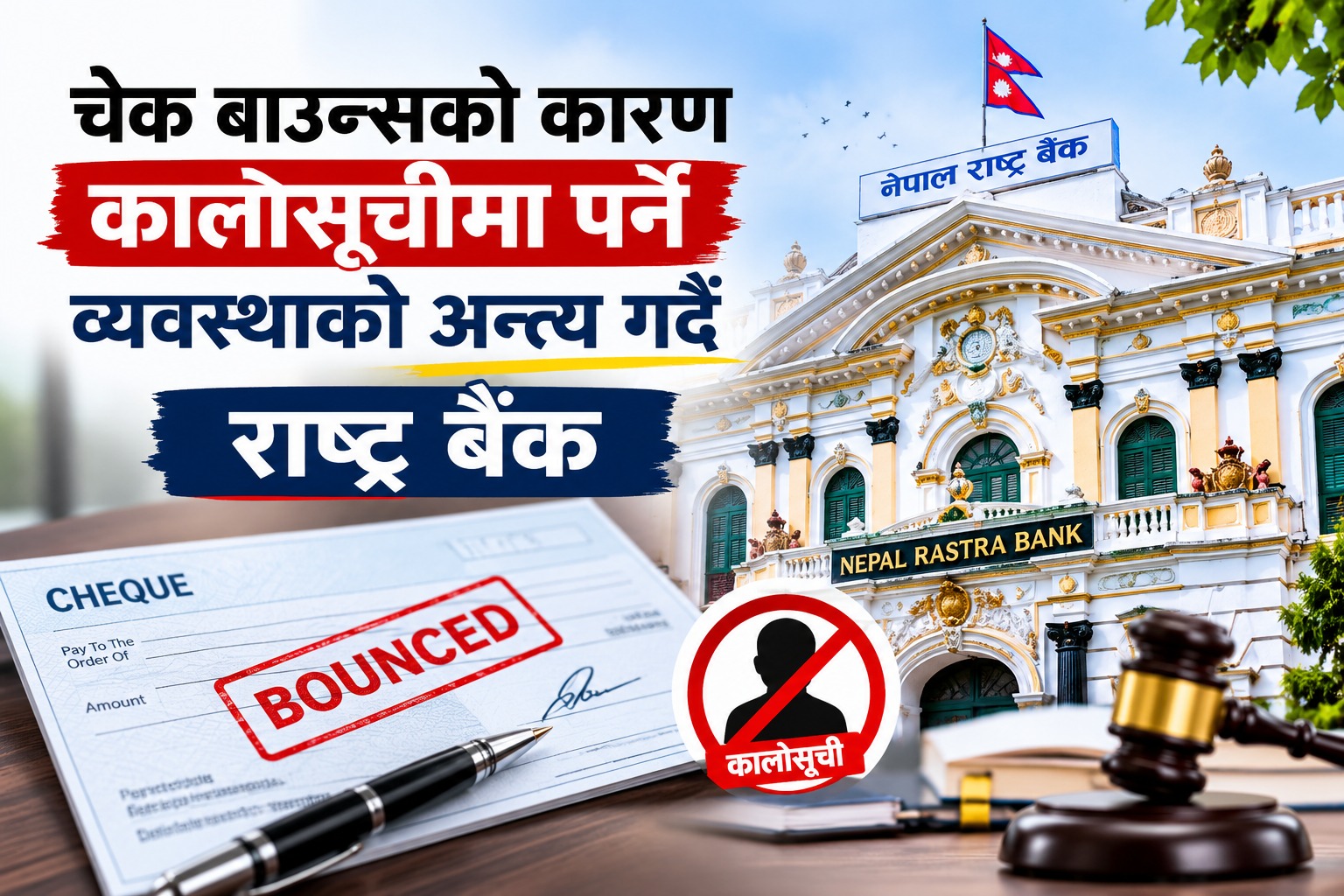
Due to this provision, the number of people blacklisted has increased significantly in recent years. According to data from the Credit Information Center, there are more than 170,000 people currently on the blacklist. The largest proportion of those blacklisted are due to disrespect to cheques.
According to the annual report of the Centre, out of the total 129,974 people blacklisted till the end of the fiscal year 2081/82, about 74.8 per cent or more than 127,000 people were blacklisted due to cheque bounce.TAG_OPEN_div_32 The rest of the people have been listed for non-payment of loans, non-repayment of loans and non-fulfillment of other financial obligations.
While the existing cheque bounce system has helped to maintain financial discipline, a large number of people have been forced out of the banking system in the long term due to general business problems or temporary cash shortages.TAG_OPEN_div_30
The blacklisted people are facing difficulties in getting new loans, getting bank guarantees, opening LCs, completing some government processes and expanding their business.TAG_OPEN_div_28 The private sector has long been demanding a practical policy saying that cheque bounce cases should not be looked at from the same standard in all situations.
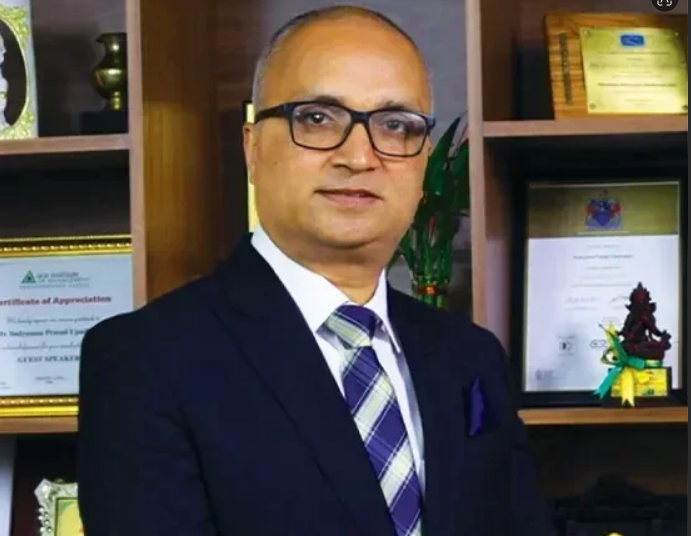
Monetary policy has addressed the demand of the private sector to some extent. However, the central bank has not decided to completely remove cheque bounce from the scope of banking offences or scrap the blacklist system. According to NRB Executive Director Poudel, policy arrangements will be made to distinguish between people who have temporary problems in real business transactions and those who deliberately commit fraud.
















प्रतिक्रिया दिनुहोस्