Underground power expansion in 20 km area in Bharatpur, 1,300 consumers directly benefited
लगानी न्यूज
. Minister for Energy, Water Resources and Irrigation Biraj Bhakta Shrestha has accorded top priority to infrastructure projects in Bharatpur area with the objective of making the electricity system safe, reliable and long-term.
Minister Shrestha has been making active efforts for improvement of electricity service in Bharatpur, which has been a hub of education, health, commercial and agricultural production.TAG_OPEN_div_72 Due to the active participation of the Ministry of Energy, Water Resources and Irrigation, implementation by the Nepal Electricity Authority and inter-agency coordination, the construction of important infrastructure projects that have been going on for a long time have reached the decisive phase.
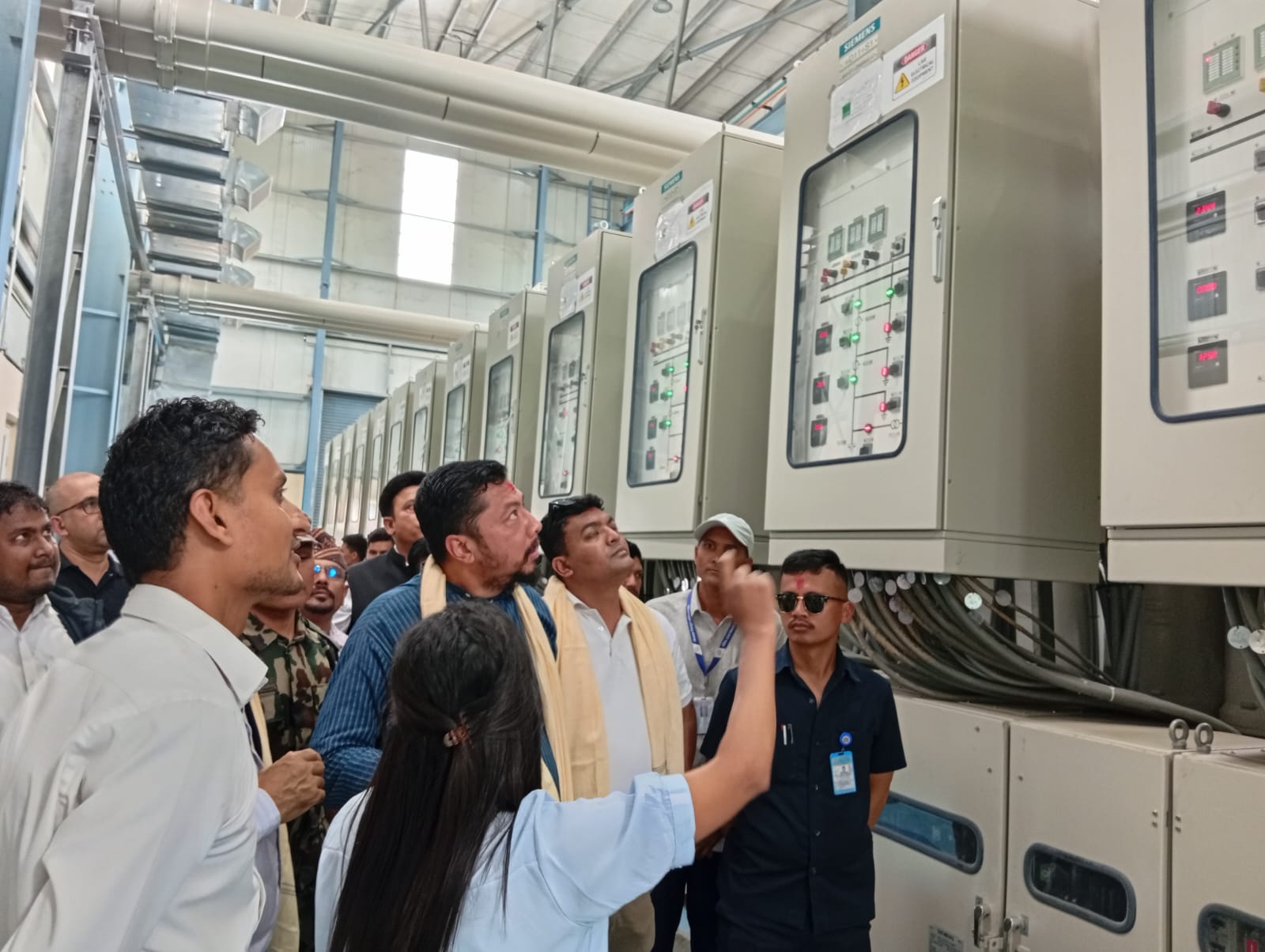
Under the ongoing Pokhara-TAG_OPEN_div_70 Bharatpur Distribution System Strengthening Project, the underground power distribution system has been tested and is moving towards operation. According to the Nepal Electricity Authority (NEA), the work of charging electricity on the underground cable system has already started and the electricity has been connected to the houses of about 300 service seekers through the underground line. With this, the overall physical progress of the project has reached 94 percent. Now, the final installation remains to be done mainly in the customer’s house.
The underground power distribution system has been expanded in around 20 kilometers of the vicinity of the Bharatpur Metropolitan City’s six-lane road and bypass road.TAG_OPEN_div_68 About 1,300 customers will be directly benefited from this. It will also give special importance to the beauty of the city and the safety of the citizens.
{{TAG_OPEN_div_66} The distribution of electricity has started from underground system in the area from Central Bus Terminal to Naharchowk, Ganeshsthan area, and areas from Chitwan Medical College to Chaubiskothi.
Similarly, Anptari-Central Bus Terminal, Central Bus Terminal-Pulchowk, Anptari-Pokhara Bus Park and underground cable expansion from Bharatpur Substation to canal near Bhatbhateni have been completed.TAG_OPEN_div_64 Currently, load testing is being done in the system.
According to NEA, about 9 kilometers on both sides of the bypass road, 8 kilometers 33 kV line from Central Bus Terminal to Pulchowk, 1.5 kilometers 11 kV line from Anptari to Pokhara Bus Park and 1.5 kilometers 33 kV line from Central Bus Terminal to Milan Chowk have been widened.TAG_OPEN_div_61 The target is to bring the entire underground distribution system into operation by coming September. Electricity has also been charged in the industrial feeder.
When the project started, it was estimated that the cost of underground electrification of Bharatpur was around Rs 1.TAG_OPEN_div_59 40 billion. Later, the cost increased as the scope of the project was expanded to include more area. The Pokhara-Bharatpur Distribution System Improvement Project is being implemented in partnership with the government, Nepal Electricity Authority (NEA) and the Asian Development Bank (ADB).
According to the NEA, with the operation of the underground system, the power supply will become more reliable, the damage caused by storms and natural disasters will be reduced, maintenance will be easy and there will be a significant improvement in the beauty of the city.TAG_OPEN_div_57
It is believed that the security level of the distribution system will also increase significantly as the risk of open wires will be reduced.TAG_OPEN_div_55 Similarly, the first circuit of Marki Chowk-Bharatpur section under Marsyangdi Corridor 220 kV Transmission line also came into operation.
The regular electricity supply has been started from July 11. According to Nepal Electricity Authority, around 100 MW of electricity is being transmitted to the national grid through this transmission line.
} This project is a transmission infrastructure of national importance built with the objective of connecting the electricity generated from the hydropower projects of Manang, Lamjung and Dordi river basins to the national grid. After the completion of the project, the capacity to transmit 1,600 MW of electricity will be developed. According to NEA, this will significantly improve electricity service in Bharatpur and surrounding areas.
The Marki Chowk-Bharatpur transmission line has been affected due to various obstructions since many years.TAG_OPEN_div_49 The project was stalled for a long time due to disputes, complicated geographical conditions, delay in obtaining approval for cutting trees inside the forest area and other technical problems.
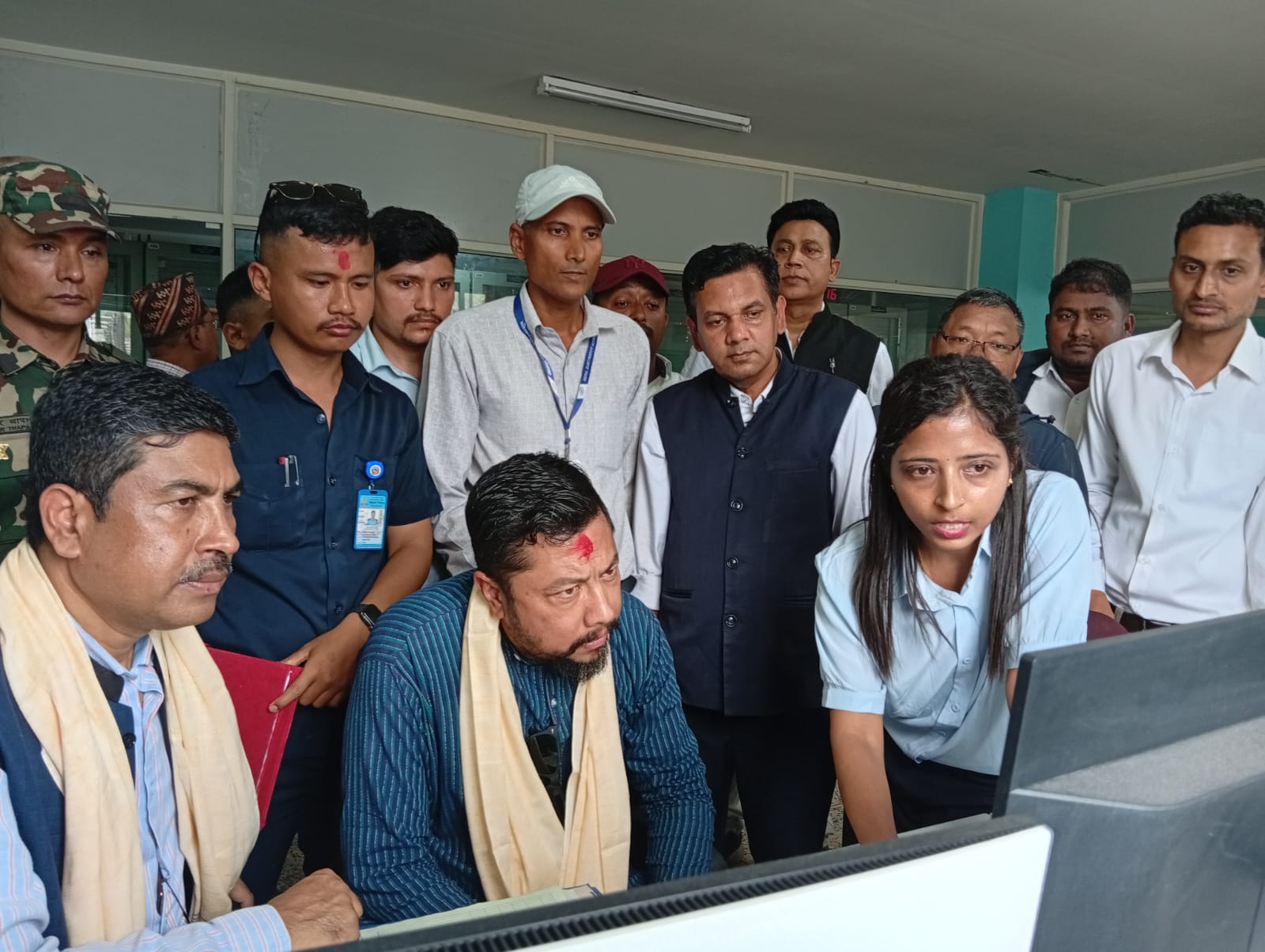
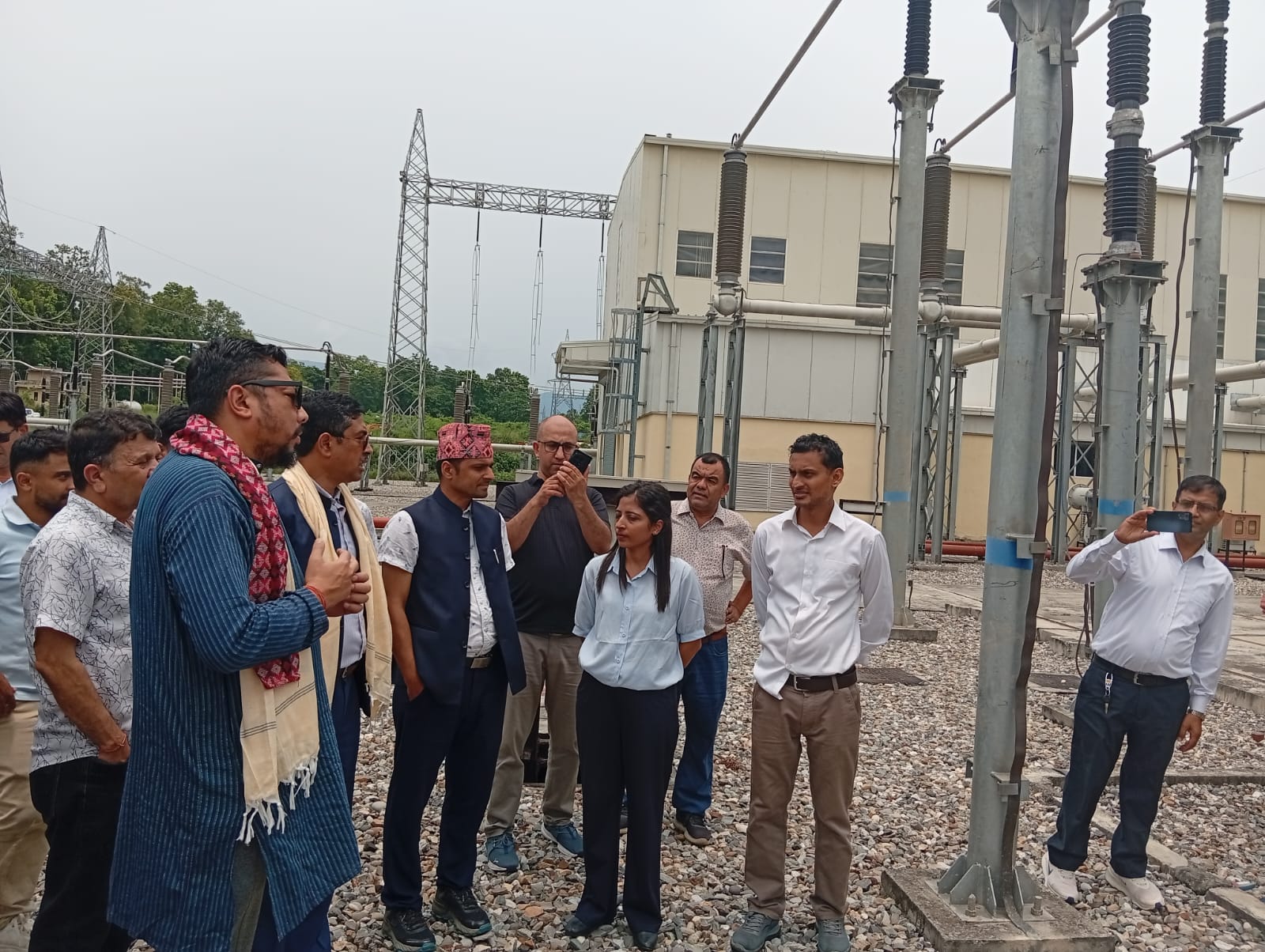
Minister TAG_OPEN_div_47 for Energy, Water Resources and Irrigation Biraj Bhakta Shrestha had prioritized the project and continued coordination among the bodies concerned. In the third week of June, Minister Shrestha personally visited the project site and took initiatives to increase the dialogue and coordination among the local level, district administration, Nepal Electricity Authority, security bodies and local community. After that, the construction work has been expedited by gradually removing the obstacles.
After the first circuit came into operation, New Marsyangdi (Marki Chowk) 220 kV Substation is directly connected to the national 220 kV transmission network.TAG_OPEN_div_45 With this, electricity generated from the Marsyangdi and Dordi river basins can be evacuated to the national 220 and 400 KV transmission networks like Hetauda and Dhalkebar through New Bharatpur substation.
is expected to further strengthen the East-West National Transmission System and significantly improve transmission efficiency, reliability of power system, operational flexibility and grid management. The project is expected to contribute to end the wastage of electricity generated from the Dordi River basin and integrate it into the national system.
After the completion of the second circuit and other structures under the project, the full potential of the Marsyangdi corridor can be utilized.TAG_OPEN_div_40 This will facilitate the transfer of a large amount of hydropower to the national transmission system, which is expected to boost the increased generation management, expansion of internal consumption and regional electricity trade in the future.
The parallel progress of the underground distribution system and Marsyangdi Corridor transmission line in Bharatpur is not limited to local infrastructure development.TAG_OPEN_div_38 These projects are expected to be the strategic infrastructure to modern, secure and reliable Nepal’s electricity distribution system, qualitatively expand transmission capacity and steer the country towards energy self-sufficiency and regional power trade.














प्रतिक्रिया दिनुहोस्