

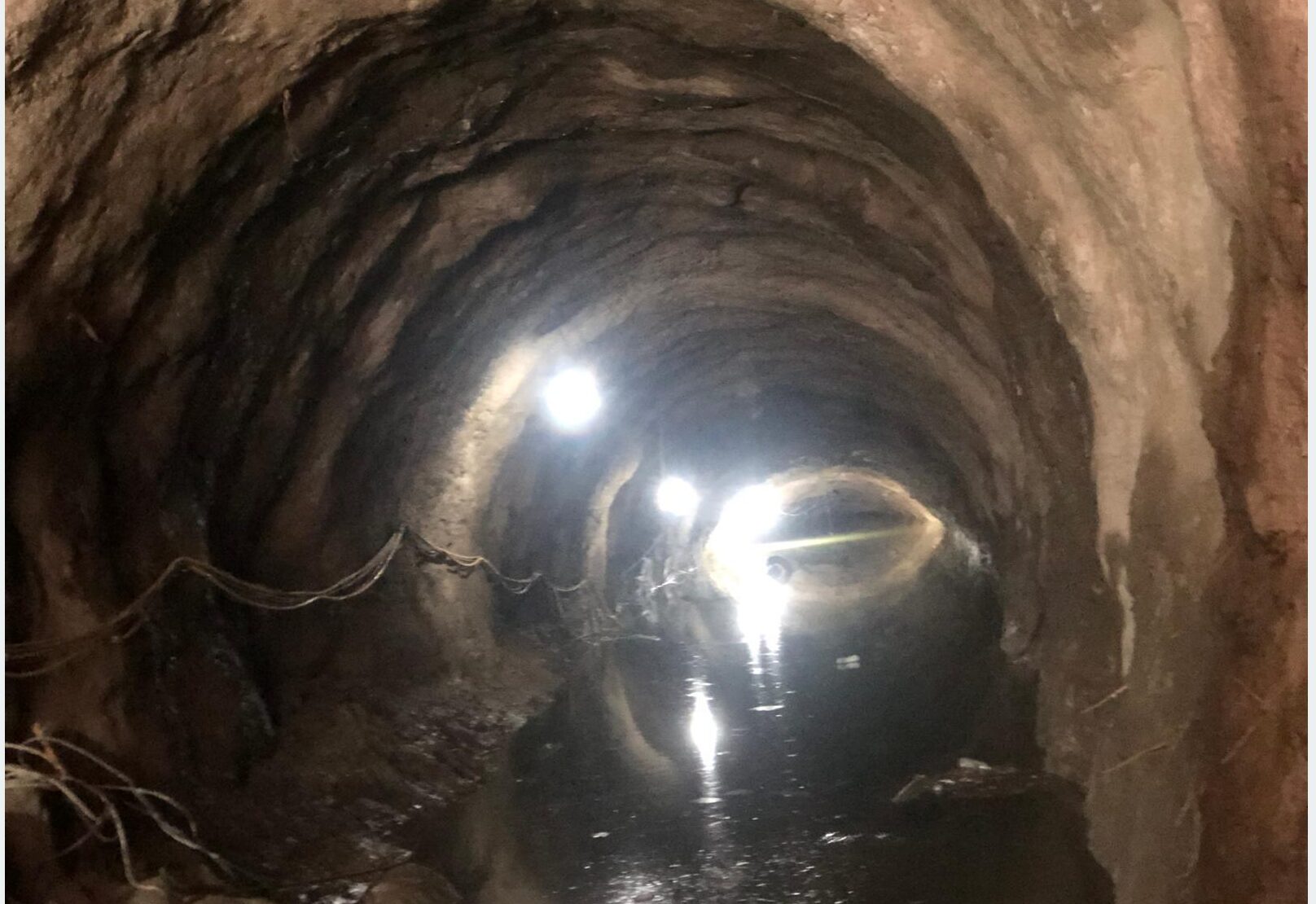
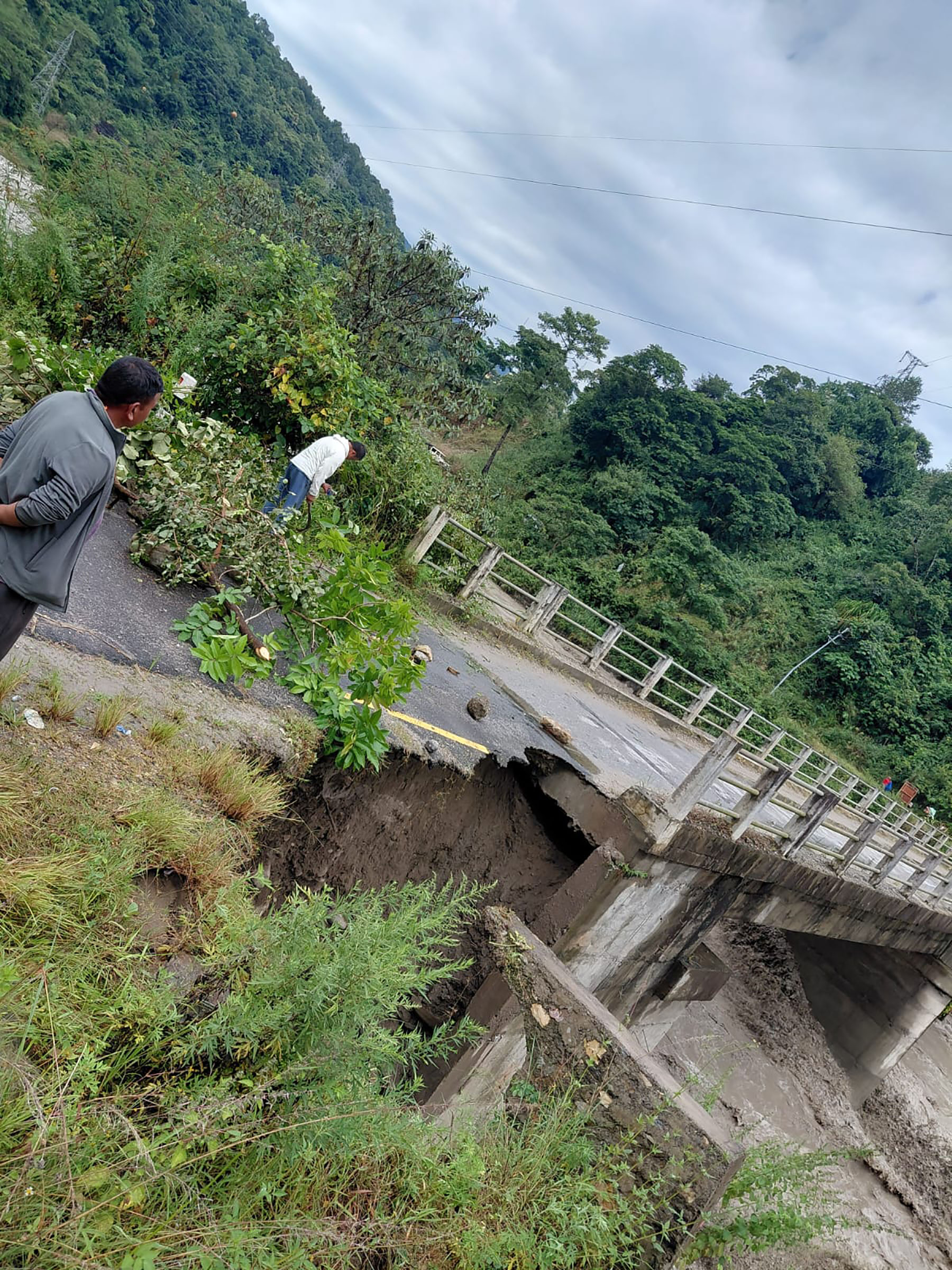
Kathmandu. The reconstruction of the hydropower projects damaged by the Bhotekoshi and Trishuli floods is estimated to cost around Rs 390 billion.
According to the Ministry of Energy, Water Resources and Irrigation, the incidents of seasonal and climate-related disasters have increased in Nepal in recent times due to climate change, which has had a big impact on the energy and water resources sector. The Ministry has also expressed concern over the impact of climate-related disasters on the energy sector.
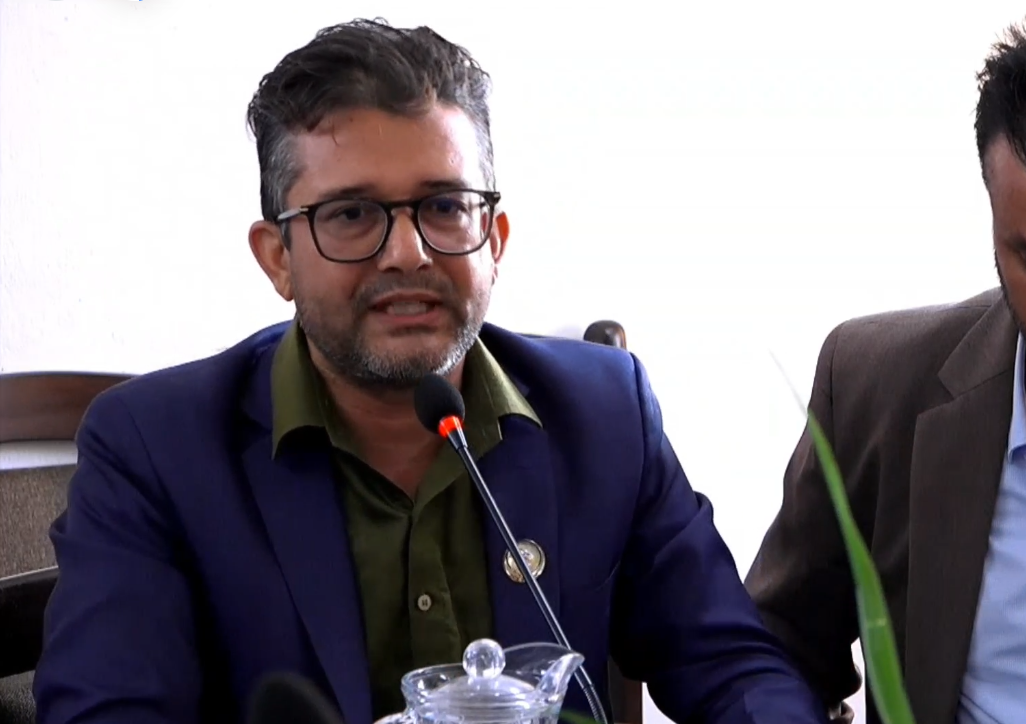
Joint Secretary at the Ministry, Sushil Chandra Acharya, said although the initial estimate of the cost of the project was around Rs 124 billion, it was estimated that around Rs 390 billion would be spent due to structural changes, price rise and rise in the river level.
“The Bhotekoshi-Trishuli floods have caused a huge loss to the energy sector. Projects with a capacity to generate 430 MW of electricity have gone out of service due to the floods,” he said, adding, “Nepal’s current installed power capacity is about 3,300 MW. The power output from the floods is about 10 percent of the total installed capacity.” ”
He said that out of the projects under construction, projects with a capacity of 759 MW have also been affected. According to Joint Secretary Acharya, there is a problem in the transmission of electricity as the Chilime Center and the ‘3B’ center station in Trishuli have been completely washed away by the floods. “Although the plant has not been damaged, about 176 MW of electricity generated due to the washing away of the ‘Hub’ station has not been transferred at present,” he said.
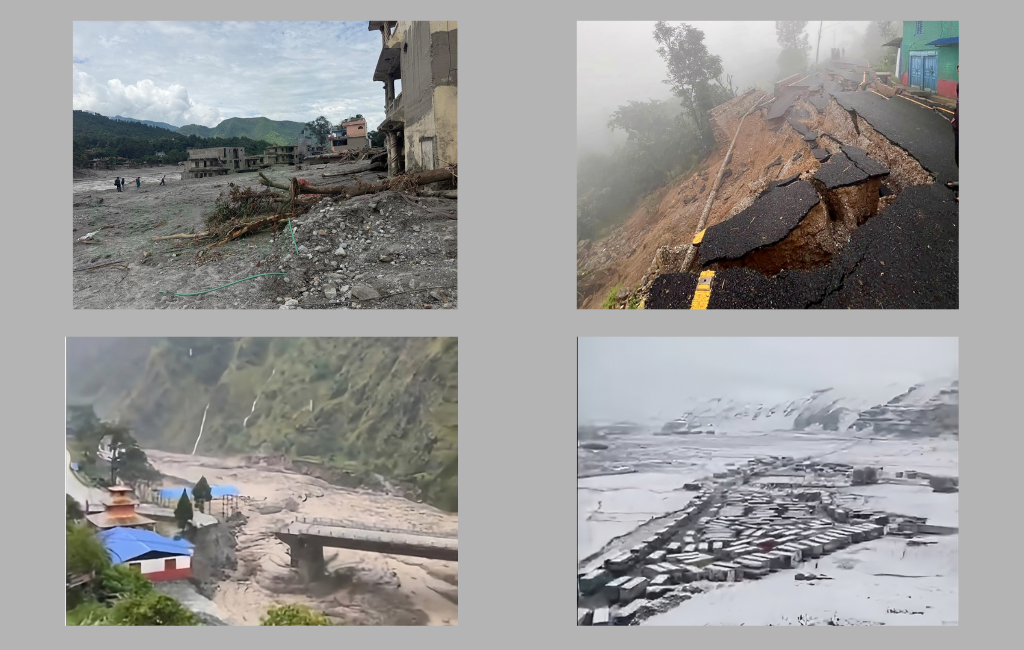
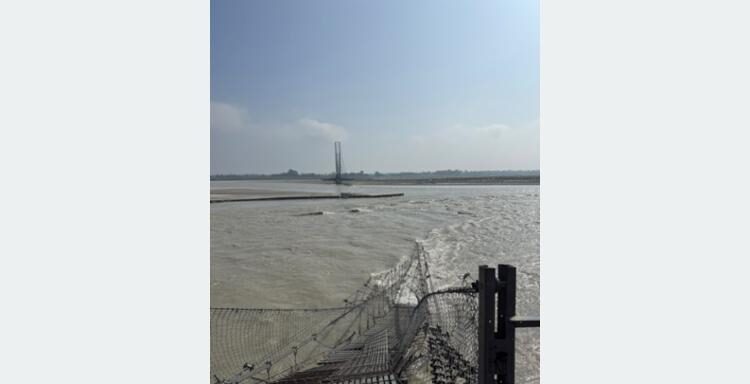
Joint Secretary Acharya has mentioned the Bhotekoshi-Trishuli flood of August 26 as the biggest historical disaster that Nepal has faced in recent times. He also recalled that the flood caused by the melting of the glacial lake in Thame of Solukhumbu in 2024 and the flood in the Bhotekoshi area in 2025 had also caused great damage.
“Big and many incidents linked to nature have been taking place almost every year in the last five-seven years”, he said, adding that the risk of a series of disasters occurring in the downstream areas has increased as the condition of the frozen snow becomes unstable due to temperature rise and it affects the glaciers and glacial structures accumulated over the years. ”
There are 21 vulnerable glacial lakes in Nepal, 25 in Tibet of China and one in India. He said that Nepal should bear the risk of possible damage from them as some of them are in the downstream areas affecting the river system of Nepal. The irrigation sector has also suffered a lot of damage due to the floods. According to the ministry’s preliminary estimates, more than one and a half billion rupees have been damaged in various districts, including canals and irrigation structures.
According to Joint Secretary Acharya, due to climate change, different types of effects are seen in all the areas of Nepal, including the hills, Tarai and Madhes. Due to excessive rainfall and landslides in some places, drought and temperature rise in some places, the problem of increasing diseases and pests has been seen in the agricultural sector.
Various studies have shown that more than 80 percent of Nepal’s population is affected by climate change. He said, “The trend of excessive rainfall has increased in the last phase of monsoon in recent years. ”
According to him, 27 people died and 1,082 were injured due to the rains from September 22 to 11. Joint Secretary Acharya said that 304 landslides and 87 floods were reported during this period, adding that these incidents were linked to climate change. He said, “The pattern of floods and rainfall seems to be changing in September as compared to the normal period. ”
Climate challenges energy targets
Joint Secretary Acharya said that the target is to increase the power generation capacity to 14,000 MW by 2030 and 28,500 MW by 2035 under the National Determined Contribution (NDC)-3. He said that some generation capacity has gone out of service due to the Bhotekoshi-Trishuli floods. Stating that there are a large number of projects under construction and in the state of preparation, Joint Secretary Acharya pointed out the need to expand the internal consumption even though the production of electricity is increasing.
“Production is increasing but there is a need to increase domestic consumption. ”
According to him, although electricity production is high in Nepal during the rainy season, only about 25 to 33 percent of the installed capacity is produced when the flow of water in the river decreases in winter. This shows that we need reservoir-based projects. The use of solar energy should also be gradually implemented in the long term and attention should be paid to the maintenance and replacement.
He said, “Our own national transmission system has been expanded across the country. Therefore, we need to expand the domestic electricity market by increasing the use of clean energy. ”
Financial challenges in the implementation of climate plan
The main challenge in the implementation of plans and targets related to climate change is the financial resources. According to Joint Secretary Acharya, although a large amount of money is required for Nepal’s Third Nationally Determined Contribution (NDC-3) projects, most of the financial needs depend on conditional support. “The plans are well made, the needs have been identified. But unless the financial resources are guaranteed, it will be difficult to implement these plans,” said Acharya.
He also stressed on the need to ensure adequate financial resources for the implementation of programs needed to combat climate change in the energy and water resources sector. There is a huge potential for power generation and project construction in Nepal. The ministry said that the capacity of the projects which are ready for financial management after completing the study is also huge.
According to the ministry, the 31st conference of the parties to the UN Climate Change to be held in Turkey from November 9 to 20 would effectively raise the issues related to climate change and the impact on Nepal’s energy and water resources and the need for climate finance.
Narayan Adhikari, deputy executive director of the Alternative Energy Promotion Center, said that the structures of small and micro hydropower projects built in remote areas have been damaged due to climate-induced disasters. He said that although there is a demand for the repair and rehabilitation of power structures from Humla, Dolpa and Chumnubri of Gorkha, there is a lack of necessary budget.
“Technically, we can do it, but there is no budget”, he said, adding, “Electrification process can be started immediately in these areas if budget is managed.” ”











प्रतिक्रिया दिनुहोस्