

Kathmandu. The government has decided to give priority to the use of domestic products in public procurement and infrastructure construction.
A meeting of the Council of Ministers held today approved the ‘Directive on Promotion and Use of Domestic Production in Public Procurement, 2083’, which has made provisions to increase the use of domestic materials and technology by stopping dependence on imported materials in the construction of infrastructures including roads, bridges and buildings.
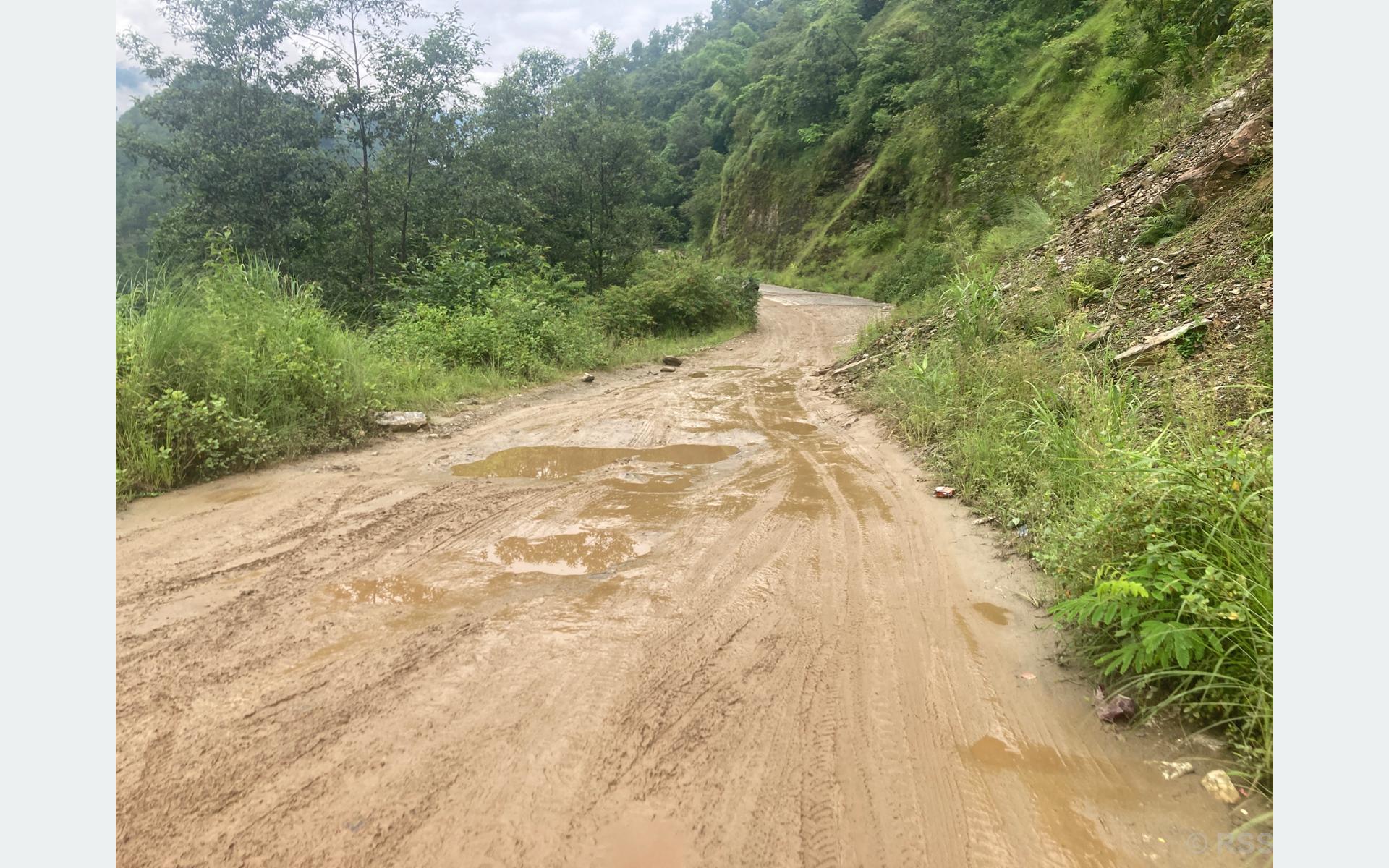
Alternatives to imported bitumen and asphalt-based blacktopping in road construction should be used to adopt concrete roads made of domestic cement, local stones and other indigenous construction techniques if technically appropriate. It should find an alternative to the imported materials used in the construction of blacktopped roads.
The government has said that it is working to increase the consumption of domestic products, replace imports, expand the market of domestic industries and create employment opportunities in the construction and purchase from the government budget.
According to the directive, the government agencies will have to use indigenous goods and local materials that meet the prescribed quality and technical standards as long as they are available. While designing infrastructure such as roads, bridges and buildings, there will be no use of foreign materials even if there is a suitable indigenous option.
Priority will be given to the use of indigenous materials in the construction of government buildings. Instead of imported granite and tiles, suitable indigenous marble, stone, slate and tile should be used. The directive also states that indigenous options should be adopted in the decoration of buildings, electrical installations, furniture and sanitary works.
However, quality cannot be compromised in the name of using indigenous materials. The quality, safety, durability and technical standards of construction materials must be met. The government aims to increase industrial production, create jobs and promote import substitution along with the expansion of the market for domestic products.
The directive also discourages the tendency of preparing technical specifications targeting foreign brands in government procurement. Procurement standards cannot be made targeting only foreign brands, places of production or countries of origin even when suitable domestic alternatives are available.
Similarly, the maximum use of indigenous materials and technology should be ensured from the stage of feasibility study, design, detailed project report (DPR), cost estimation and preparation of tenders. Provisions for the use of indigenous materials should be included in the bidding, technical specification, quantity list and purchase agreement. Foreign materials cannot be used without approval in the case of domestic content specified in the agreement.
The directive also provides that construction materials produced or processed from natural resources and raw materials available in Nepal can be used in public projects and government procurement across the country. It is expected to expand industries and products based on local resources to the national market.
The responsibility of ensuring the use of indigenous materials has been assigned to the heads of the concerned public bodies, the technical and consultants who prepare the study and design, and the officials who give the approval. This has been done to ensure the use of indigenous materials from the initial stage of the construction of the project.
Action has also been taken against the contractor or supplier who supplies foreign materials as indigenous, uses fake brands or labels, and gives false information about the place of production. In such cases, the process of rejection of the material, stopping the payment, blacklisting and initiating legal action can be initiated.
This decision of the government has taken a policy to reduce the dependence on imported materials in the construction sector by increasing the use of domestic products in public procurement. However, the use of bitumen and asphalt has not been completely banned, but it has been decided that domestic alternatives should be given priority in technically appropriate situations.
















प्रतिक्रिया दिनुहोस्