

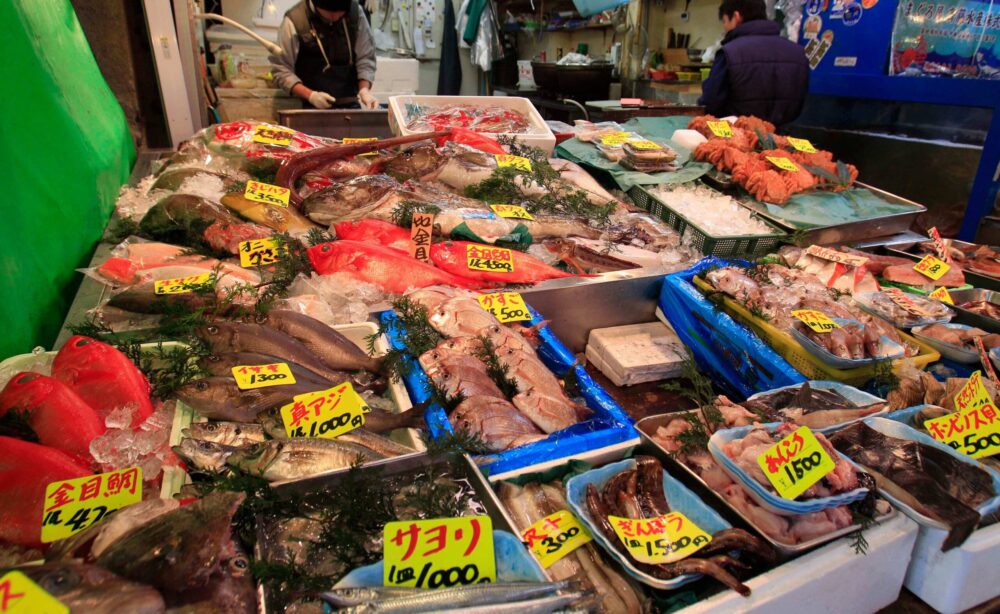
Tokyo. China has lifted a ban on Japanese seafood after radioactive waste from the Fukushima Daiichi nuclear power plant was released into the sea two years ago. Japan announced on Friday that it had resumed seafood exports to China for the first time since the move.
About 6.6 metric tons (6.6 tons) of scallops originated in Hokkaido were sent to China on Wednesday, Chief Cabinet Secretary Minoru Kihara said. The shipment is the first official export since Beijing banned all Japanese seafood in August 2023.
“This resumption is a positive development in Japan-China relations,” Kihara told reporters. The government sees this as a significant opportunity for seafood exports. He urged the Chinese side to re-register the applications of the remaining Japanese exporters.
China announced in June that it would gradually ease sanctions and resume imports after protracted negotiations. The discharge of treated wastewater from the Fukushima Daiichi power plant has long been a controversial issue within Japan. Not only did it affect the reputation of local production, but it also strained relations with neighboring countries, especially China and South Korea.
The ban had a major impact on Japan’s seafood industry, particularly scallop and sea cucumber exports. China is the largest overseas market for Japanese seafood. China continues to ban marine products from Fukushima and nine surrounding prefectures. According to Kihara, Japan will continue to urge China to lift the remaining sanctions and also resume imports of Japanese beef.
In 2011, after a massive earthquake and tsunami, a triple meltdown at the Fukushima Daiichi plant caused a massive leak of radioactive wastewater. The wastewater was then collected and stored in tanks.
With the government’s approval and the support of the International Atomic Energy Agency (IAEA), Japan decided to gradually release treated and diluted water into the sea. Officials said the move was necessary because limited space in the tanks had been hampering the dismantling of the plant.
According to Japanese officials, the impact of treated water on the environment or people will be minimal. The IAEA’s detailed report also confirmed that the water discharge met international safety standards.
“Our goal is to restore confidence in the Japanese seafood industry and reassure the international community through transparency,” Kihara said. ’













प्रतिक्रिया दिनुहोस्