

Kathmandu. Tehran: Iran’s Supreme Leader Ayatollah Ali Khamenei’s funeral procession has been hit by a tanker in the Strait of Hormuz.
A tanker carrying liquefied natural gas (LNG) caught fire in the early hours of Tuesday as it was travelling off the coast of Oman, the British military said. The incident has complicated the region’s security, international trade and tensions between Iran and the US.
According to Britain’s United Kingdom Maritime Trade Operations (UKMTO), the projectile hit the left side of the tanker as it was heading south near the Limah area of Oman. Although the fire broke out, there was no environmental damage in the incident and the authorities concerned are investigating the matter.
The Strait of Hormuz, which connects the Persian Gulf with the Gulf of Oman, is one of the busiest energy trade routes in the world. Since one-fifth of the world’s oil and natural gas is transported through this route, every security incident there has a direct impact on the international market.
Iranian state television said a tanker carrying LNG from Qatar had been attacked, but Tehran has not officially claimed responsibility for the attack. Earlier, Iran had warned ships using routes other than its approved sea routes. On Thursday, Iran’s Joint Military Command said all oil tankers passing through the strait must use approved routes and warned that any US military intervention would be met with a “swift and decisive” response.
Meanwhile, the US and Iran have been pushing ahead for talks aimed at fully opening the floodgates, limiting Tehran’s disputed nuclear programme, and seeking a lasting end to the war that began on February 28.
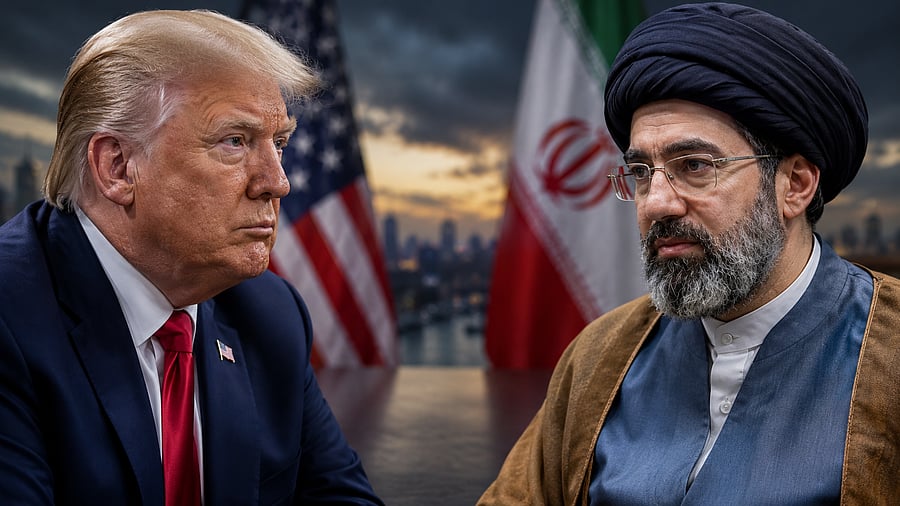
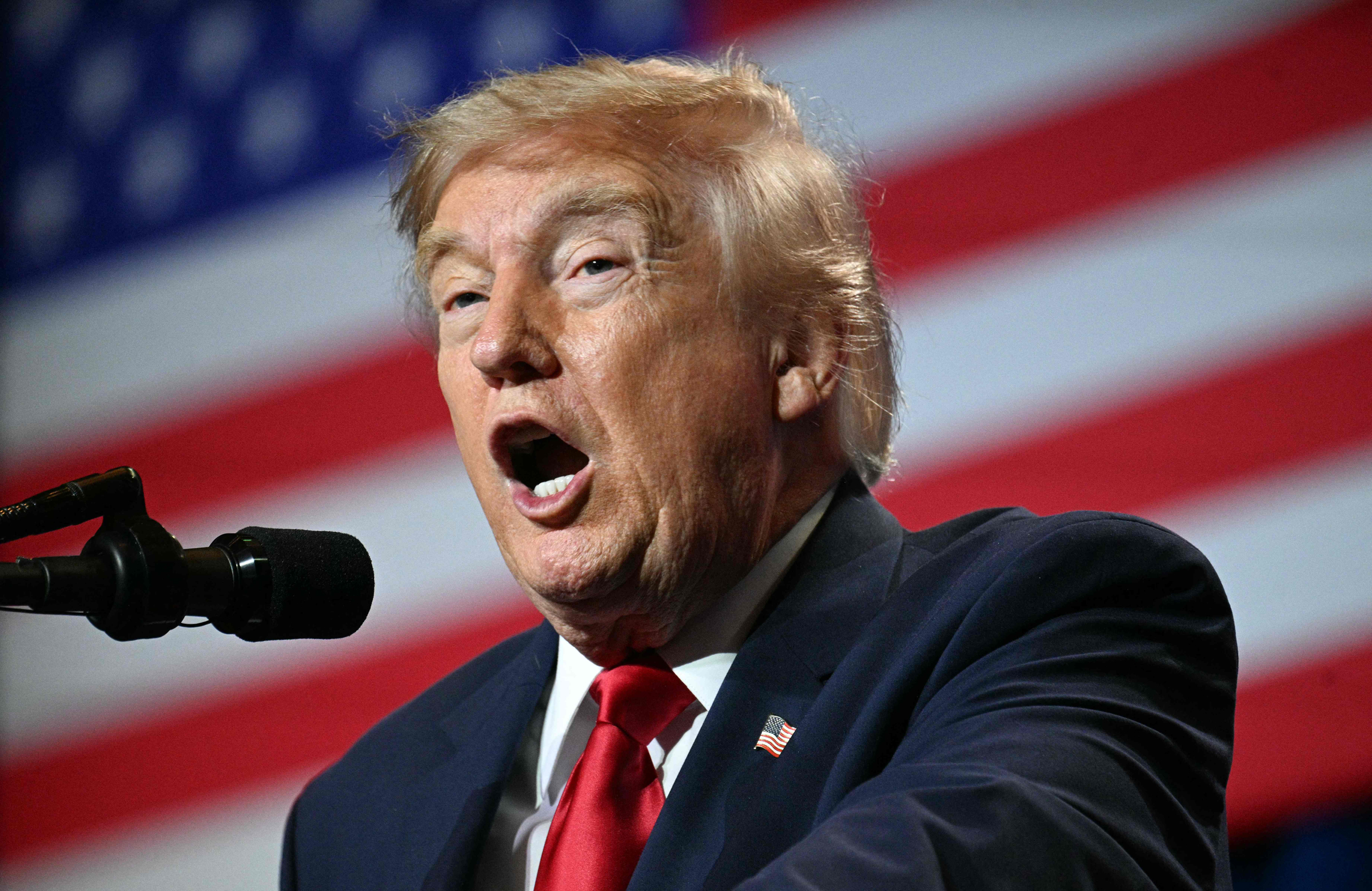
At the White House on Monday, US President Donald Trump urged Iran to make a deal, threatening to take more drastic measures. “We want to make a deal,” he said, adding that Iran’s infrastructure and energy systems could be attacked if necessary.
The two sides have tentatively agreed to allow free shipping for 60 days, but Iran insists it will retain control of the sea lanes and the right to collect tariffs in the future. The United States and many countries in the Gulf region have made it clear that they will not accept such a system. Oman and UN agencies have said efforts to use alternative sea routes have led to tensions and attacks in the region in the past.
Last weekend, at least 108 ships crossed the Strait of Hormuz, according to data analytics firm Kepler.
Meanwhile, in Iran, millions of mourners have gathered in the city of Qom to attend Khamenei’s funeral. Iranian state television broadcast live footage of the crowd marching towards the Jamqaran Mosque. Banners bearing images of Khamenei and his successor and new Supreme Leader Ayatollah Mojtaba Khamenei were displayed.
Mojtaba Khamenei has not yet attended the funeral in public. He is believed to be in a safe place after being wounded in an airstrike during the war. At the height of the war, Israel said it had targeted senior Iranian leaders and threatened to target Mojtaba Khamenei.
Ayatollah Ali Khamenei, who died at the age of 46, was buried at the Imam Reza Temple in Mashhad on Saturday. Roads, air services and daily activities have been severely restricted in many parts of Iran due to funerals and national mourning.












प्रतिक्रिया दिनुहोस्