

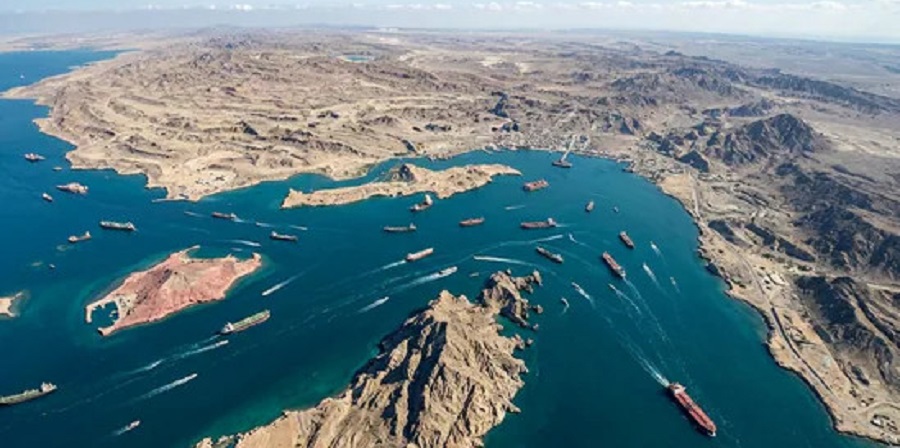
Kathmandu. The United States and Iran continued their military offensive and counter-offensive for the second day in the strategic Strait of Hormuz.
The security situation in the Middle East has become more complicated as tensions between the two sides have escalated over the control of the sea route, the movement of international ships and regional security.
The US military said the latest military action was aimed at weakening Iran’s ability to endanger the free movement of international vessels in the Strait of Hormuz.
According to US Central Command (CENTCOM), about 90 military targets have been attacked. The explosions took place in Iran’s northeast railway bridge, a military base in coastal Bushehr, Bandar Abbas, Konark, Chabahar and the island of Kish. According to Iranian media, power supply was also disrupted in some places.
Iran’s Islamic Revolutionary Guards (IRGC) responded by launching missile and drone attacks targeting US military bases in Bahrain and Kuwait. An explosion was heard in Bahrain’s capital Manama. Kuwait said it had suspended hostile missile and drone strikes. According to US officials, there have been no major casualties or casualties on the US side as a result of Iran’s latest strike.
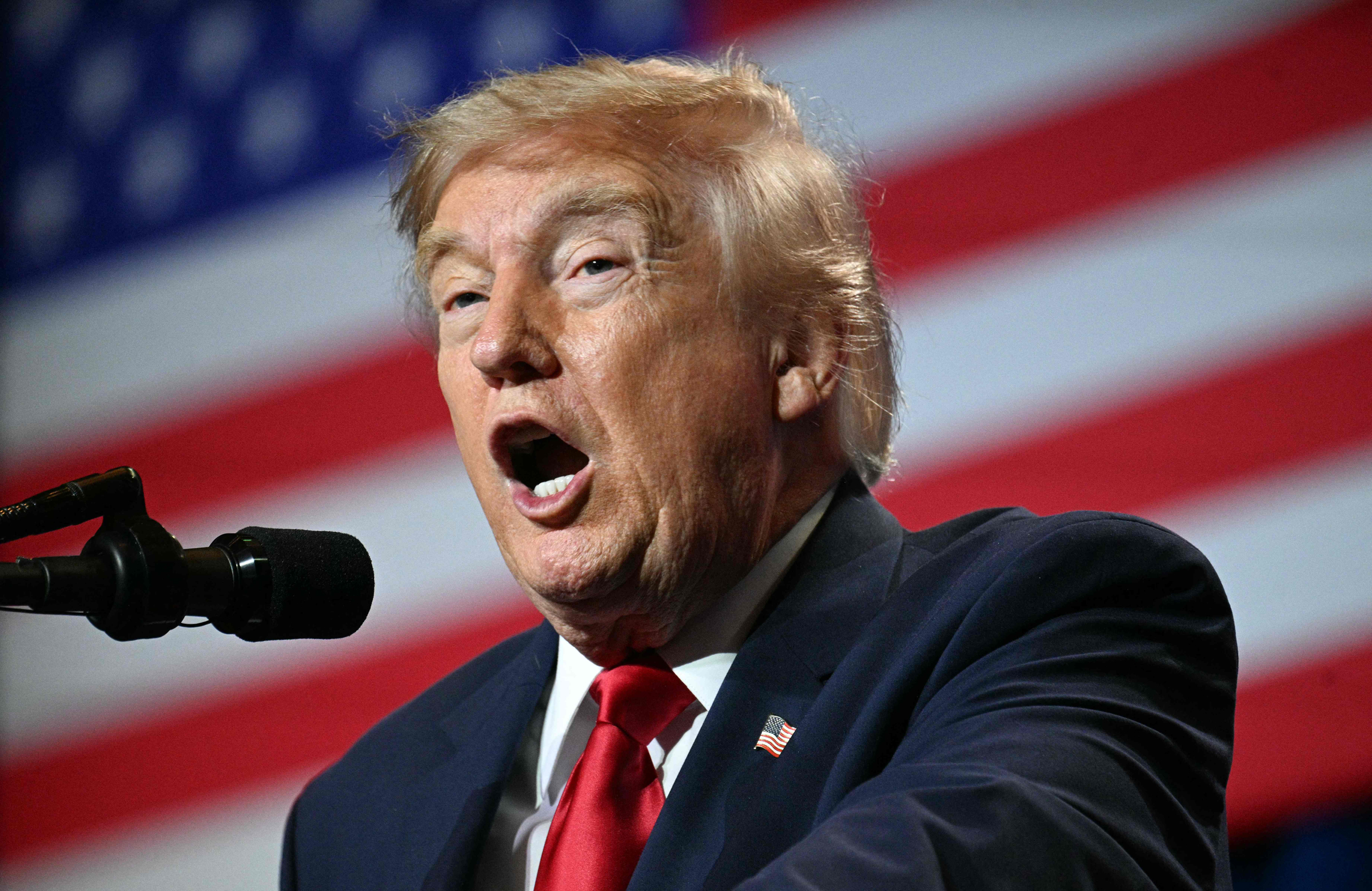
U.S. President Donald Trump said the ceasefire with Iran had ended and that the door was open for further talks. He said on Truth Social that the US action was in retaliation for Iran’s attack on a commercial ship and warned of a stronger response if such activities happen again. Speaking to reporters aboard Air Force One, he claimed to have been contacted by the Iranian side, but released further details.
Meanwhile, Iran’s chief negotiator Mohammad Bagher Ghalibaf said the Strait of Hormuz would operate only under Iranian arrangements. He warned that the United States should not assume that threats and violations of commitments will result in the consequences, and that if an attack on Iran is attacked, it will be responded accordingly.
Iran has maintained control over the Strait of Hormuz since the war began after the US-Israel invasion in February. Tehran has threatened to charge ships that use the waterway and take action against ships that deviate from the designated route. The United States has launched a massive military offensive after Iran attacked at least three ships in recent days.
The latest attacks took place on Thursday ahead of the funeral of Iran’s former Supreme Leader Ali Khamenei, who was killed at the start of the war on February 28. In the initial attack, both sides said they hit dozens of targets. Eight Iranian soldiers were killed, according to state television, while CENTCOM had earlier said more than 80 targets had been attacked.
As tensions escalated, UN Secretary-General Antonio Guterres called on all parties to exercise “maximum restraint”. Pakistan, one of the mediators in the US-Iran talks, has also said that diplomatic efforts are needed to control tensions. In a telephone conversation between Iranian Foreign Minister Abbas Araghchi and Qatar’s prime minister, Iran stressed the need to give priority to diplomatic channels to resolve regional problems.
Oman, on the other side of Hormuz, condemned the attacks on Bahrain, Kuwait and commercial shipping but did not directly blame either side. Oman has maintained a neutral stance throughout the war, continuing to negotiate on the administration of the waters and maritime security. While the United States is in favor of free shipping, Iran has reiterated its insistence that the tariffs should be enforced.
Last month, the United States and Iran agreed to end hostilities, briefly resuming sea transport. But after the latest tensions, the risk has increased again. According to Arsenio Dominguez, the head of the International Maritime Organization (IMO), about six thousand sailors are still stranded on ships in the region.











प्रतिक्रिया दिनुहोस्