

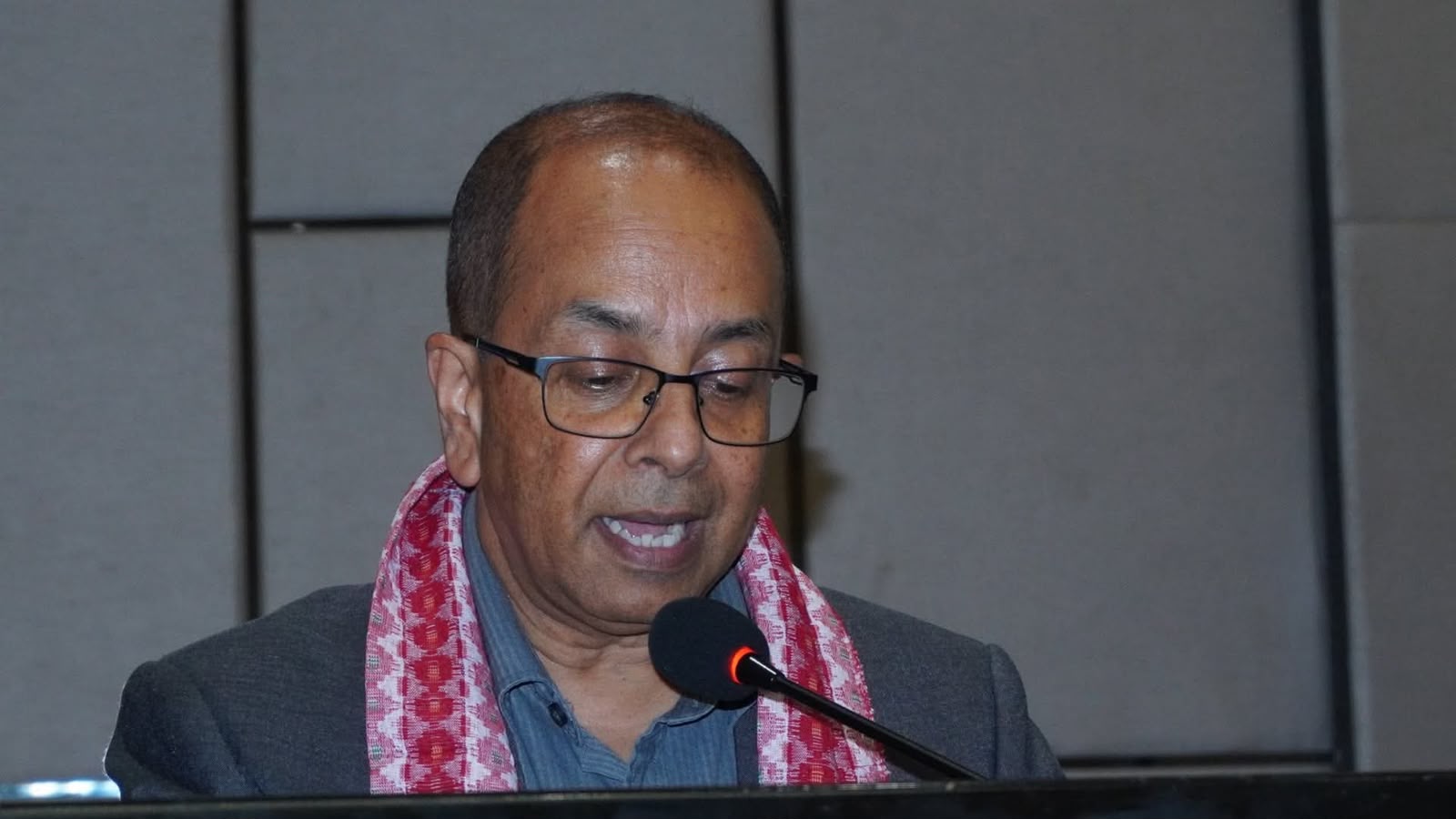
Kathmandu. Chairman of the Confederation of Nepalese Industries (CNI), Birendra Raj Pandey, said that although electricity production has increased in the country, the industries are still facing problems due to lack of adequate infrastructure.
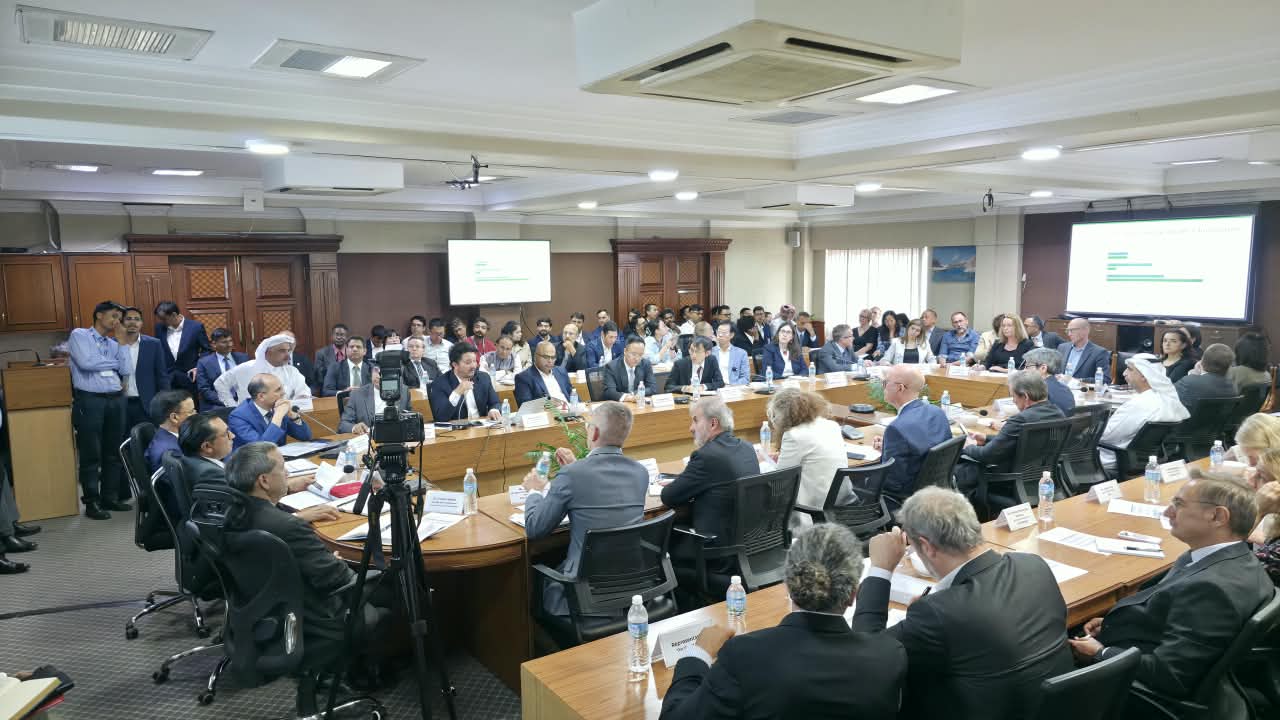
Speaking at a programme entitled ‘Challenges of Developing Electronic Infrastructure and Way Forward’ organized by Society of Economic Journalists (NAFIJ) here today, Pandey said the industrial sector was still experiencing load-shedding.
He said although the recent hydropower generation reaching 3,000 megawatts and the private sector’s contribution of more than 80 per cent to it was positive, the problem remained due to lack of improvement in distribution and transmission system.
“More than 60 per cent of the industries are still compelled to use generators,” Pandey said quoting the Confederation’s Industrial Status Report. Voltage fluctuations and tripping problems in the industrial sector have increased the cost of production. He argued that industrialization was not possible without reliable and quality supply of electricity as it is the main raw material of the industry.
He pointed out the delay in the construction of transmission line as the major challenge. According to him, the projects are delayed for years due to land acquisition, forest clearance and administrative hassles. Pandey said, “There is a risk of waste of electricity produced on one hand due to lack of transmission line on time while the industry will not get electricity on the other.”
Pandey demanded that the private sector should be included in the transmission and distribution system, not only in production. The government aims to export 10,000 megawatts of electricity in the next 10 years only if private investment is encouraged in energy storage, e-charging stations and smart grid development.
He also stressed the need of increasing the domestic consumption along with the export of electricity. He was of the view that production of goods by consuming electricity in Nepal would help a lot in economic growth of the country. He laid special emphasis on the possibility of exporting services by consuming electricity especially in areas like ‘data center’.
Pandey also suggested the government to forward the transmission line and substation plan in parallel while starting the construction of the project. He expressed the belief that Nepal could become the clean energy hub of South Asia only if there is policy stability, quick decision making process and investment-friendly environment.
Former president of Nepal Chamber of Commerce, Rajendra Malla, urged the government to immediately implement the provision of involving the private sector in the construction of transmission line as many hydropower projects have been affected due to lack of transmission line.
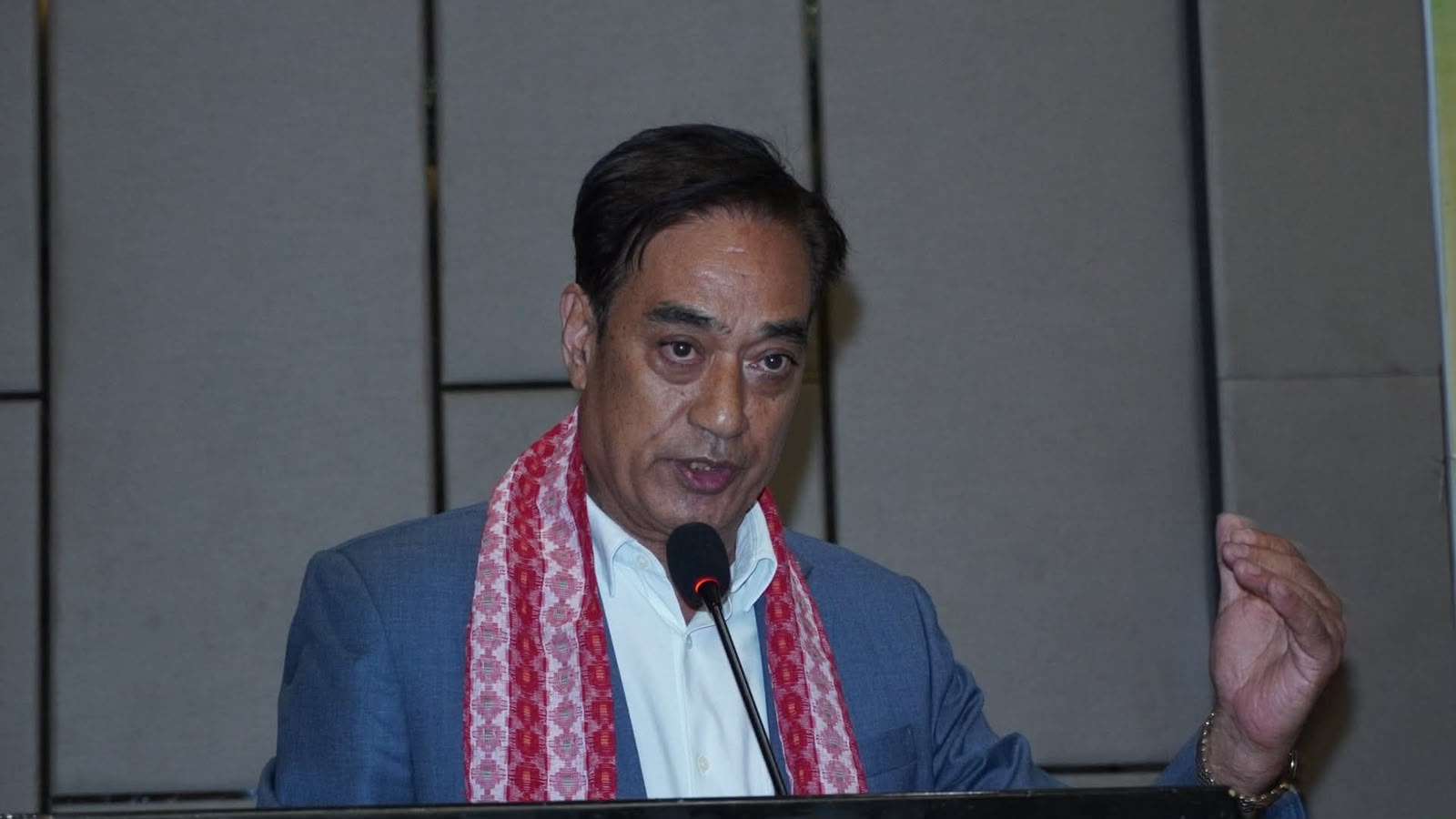
Malla said that although the hydropower project has been completed, many projects have not been able to connect the electricity generated by many projects to the national grid in absence of transmission line.
Though the government has recently made provision to involve the private sector in the construction of transmission line through budget and economic policy, it has not been implemented yet, he said, stressing the need of implementing it as soon as possible.
“The tendency of making policies but not implementing them still persists in Nepal,” he said, adding, “Now, emphasis should be laid on implementation rather than announcement.” ’
Malla said that the approval to be obtained from various bodies in course of the construction of the hydropower project should be made through a one-door system and the project should be forwarded through a fast track.
“Nepal has the potential of around 83,000 MW hydropower project, stressing the need of accelerating power infrastructure development in the PPP model as per the concept of ‘Nepal’s Water, People’s Investment”. He also stressed the need of putting an end to the tendency of ‘river in a bag’ that keeps projects occupied without study.
Pointing out the need to expedite power trade with India, Malla said that the government should take diplomatic initiative to expand electricity export capacity from Nepal to 1,650 MW in a bigger scale.
He suggested the government to bring a policy to invest at least 10 per cent of the huge amount of remittance that comes from abroad annually in hydropower and energy infrastructure. Likewise, policy-level facilitation should be made to mobilize the investment fund of Non-Resident Nepalis (NRNs) in the hydropower sector.
Commenting on the 5 per cent Value Added Tax (VAT) on electricity tariffs, Malla stressed the need of maintaining a balance between the cost of production and purchase price rather than putting additional burden on consumers. He expressed the view that although electricity could be provided to low-income consumers at a cost-effective price, the tendency to provide free facilities to all could weaken the power sector in the long run.











प्रतिक्रिया दिनुहोस्