
. The meeting of the Council of Ministers held on Wednesday took 4 decisions.
Education Minister Sasmit Pokharel, who is also the spokesperson of the government, said that 4 decisions have been taken.TAG_OPEN_div_130

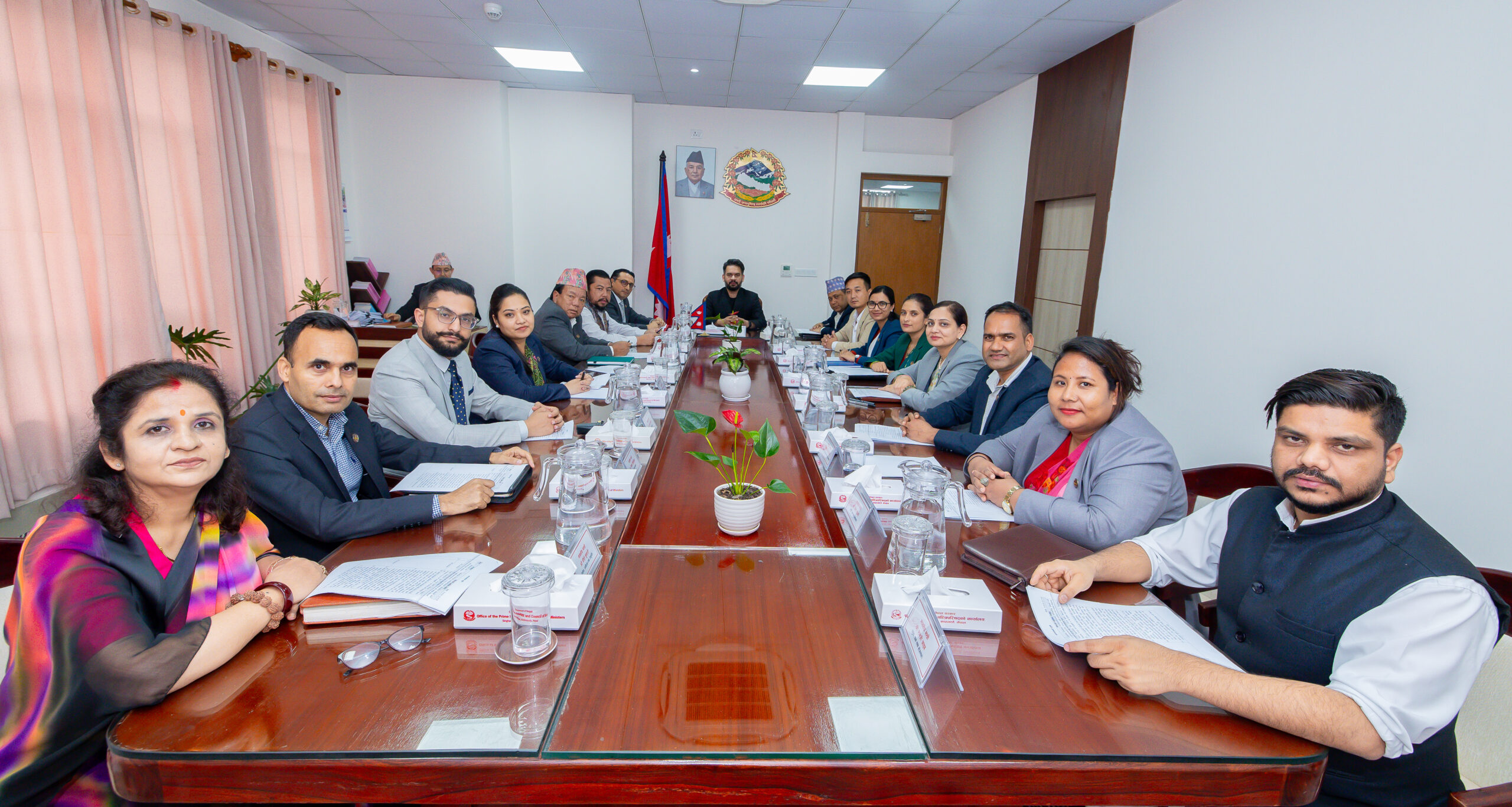
Education Minister Sasmit Pokharel, who is also the spokesperson of the government, said that 4 decisions have been taken.TAG_OPEN_div_130
According to him, the government has decided to approve the bill designed to amend the Act-2053 on the conditions of remuneration and facilities of the office-bearers of the constitutional bodies.TAG_OPEN_div_128
The meeting also decided to approve the bill designed to amend and integrate laws related to mines and minerals.TAG_OPEN_div_126
The meeting also decided to approve the bill designed to amend the Passport Act, 2076.TAG_OPEN_div_123
The government has decided to approve the First Amendment Bill to control human trafficking and trafficking.TAG_OPEN_div_121
TAG_OPEN_div_117 The meeting has decided to approve the bill designed to provide for the responsibility of domestic airlines.
The meeting also decided to approve the bill designed to amend the Reconciliation Act, 2068.TAG_OPEN_div_115
The cabinet has decided to approve the bill designed to amend the Employees Amendment Act, 2019.TAG_OPEN_div_113
Similarly, the government has decided to appoint the Director General of the Department of Money Laundering Investigation or an officer designated by him as an investigation officer in the offense related to foreign bylaws and to approve the Technical Education and Vocational Training Council Sixth Amendment Regulations-2083.TAG_OPEN_div_112
Today’TAG_OPEN_div_110 s meeting has decided to appoint Adaraj Dahal as a member of the problematic cooperative management committee ।
}
The new policy, which came into effect on July 1, aims to electrify most newly registered vehicles by 2027.TAG_OPEN_div_86 Although the existing petrol and diesel vehicles will not be banned immediately, the government has come up with a plan to gradually reduce their use. Nearly 70 per cent of Delhi’s vehicles are two- and three-wheelers, so the new policy has given priority to these sections. The policy will be applicable to new three-wheelers and small goods vehicles from 2027 BS.
Under the policy, consumers buying electric vehicles will be given a discount on registration fee and some road tax.TAG_OPEN_div_84 In addition, cash incentives will be provided to those who do not use old petrol-powered vehicles. According to the local government, the scheme is estimated to cost around Rs 150 billion, while the buyers of electric vehicles will get up to Rs 50,000 and those who remove old petrol vehicles will get up to Rs 100,000.
Currently, only TAG_OPEN_div_82 5 per cent of the 87 lakh vehicles registered in Delhi are electric. However, more than one lakh new electric vehicles were registered last year. Most of them were two- and three-wheelers. For some time, registration of petrol-powered cars and big trucks will continue.
Jaideep Saraswat of Vasudha Foundation, which works in the field of clean energy, said that Delhi’s policy is one of India’s most ambitious electric vehicle policies.TAG_OPEN_div_80 According to him, the clear deadline has sent a message to vehicle manufacturers and consumers that the transition to electric vehicles is now unavoidable. While states like Maharashtra, Karnataka, Telangana and Tamil Nadu are also promoting electric vehicles, Delhi has become the first state to set a clear target of phasing out petrol and diesel vehicles.
Delhi is one of the most polluted cities in the world.TAG_OPEN_div_78 Schools have been forced to close, construction work and public health emergency measures have been recurred, especially in winter. Studies have shown that about one-fourth of the air pollution in the capital city is caused by vehicles, while two- and three-wheelers alone generate almost half of the air pollution.
Ruchita Shah, energy analyst at Global Energy Research Institute, Amber, said that the expansion of electric vehicles will significantly contribute to reducing pollution.TAG_OPEN_div_76 According to him, 12.7 per cent of new vehicles sold in Delhi in FY26 were electric. However, the national average was only 8.3 per cent. He said that the most important aspect of the new policy is to stop the new registration of some vehicles with internal combustion engines after a certain timeframe.
Sunil Dahiya, founder of environmental research firm Envirocatalyst, said electric vehicles could significantly reduce people’s exposure to roadside pollution.TAG_OPEN_div_74 However, he said that it will take a few years to see the full impact of the policy as the petrol, diesel and CNG vehicles currently in operation will remain on the roads for a long time.
However, consumers are still concerned about the charging feature, battery capacity and durability of the vehicle.TAG_OPEN_div_72 Siddhant Jha, a 22-year-old software engineer from north Delhi, said he is not convinced about the life and cost of electric two-wheelers and the impact of monsoon flooding on electric appliances. He said that he is thinking of buying electric vehicles only after the arrival of a more advanced model.
Shyam Singh, who drives an electric scooter at a charging centre in Delhi, said it is still difficult for long-distance commuters to opt for electric vehicles.TAG_OPEN_div_70 According to him, the currently available charging center and battery distance capacity are not enough as expected.
According to energy analyst Shah, the success of the policy will depend on expanding adequate charging infrastructure, upgrading the electricity distribution system and ensuring the supply of electricity from renewable energy rather than fossil fuels.TAG_OPEN_div_68 He said that it would be difficult to achieve the goal without the expansion of high-speed charging facilities, especially for buses, freight vehicles and cars.



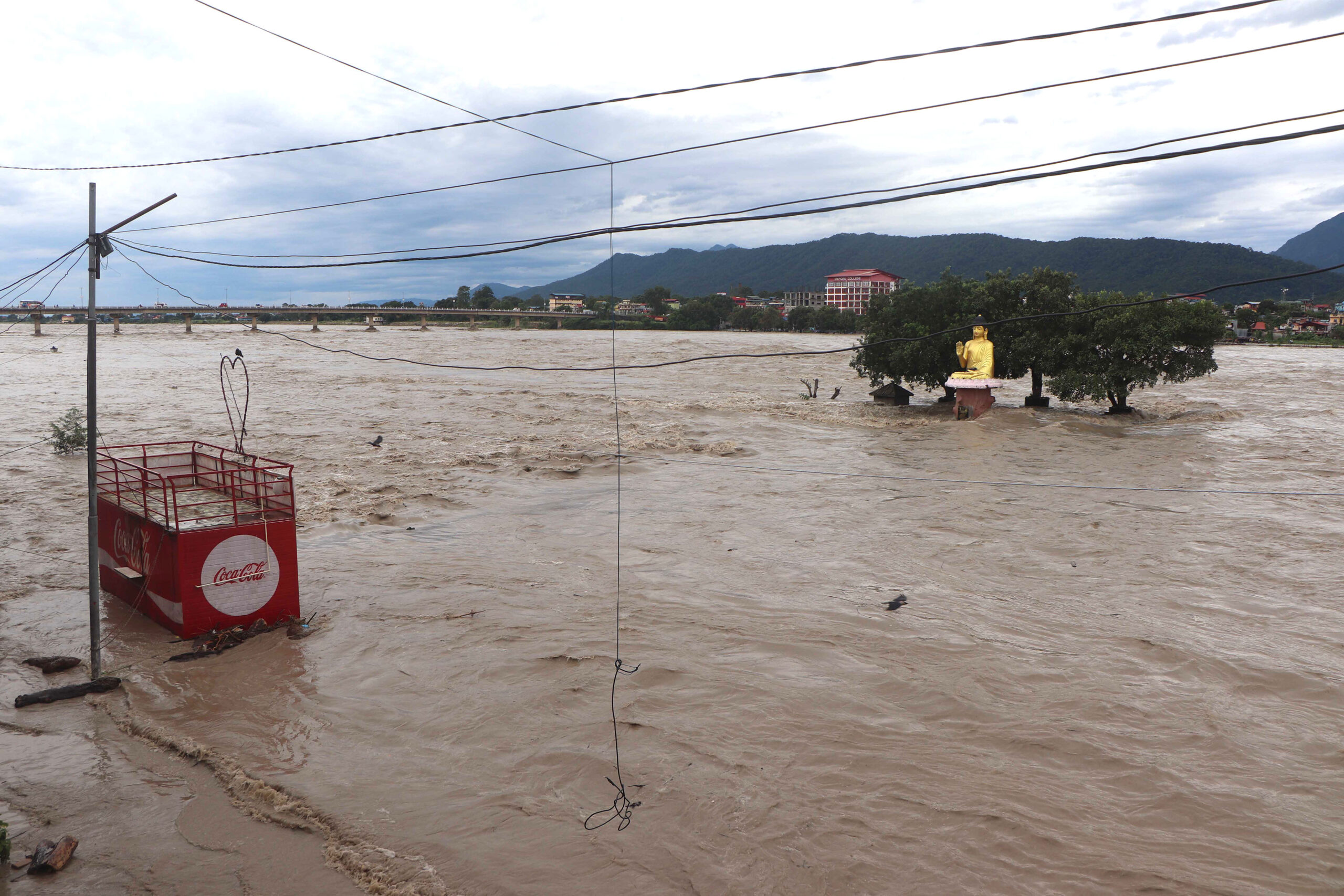
Over 100 houses inundated by Narayani River

Normal life affected in Sankhuwasabha due to incessant rain

Snowfall hits Khumbu area, rescue of seven foreign tourists
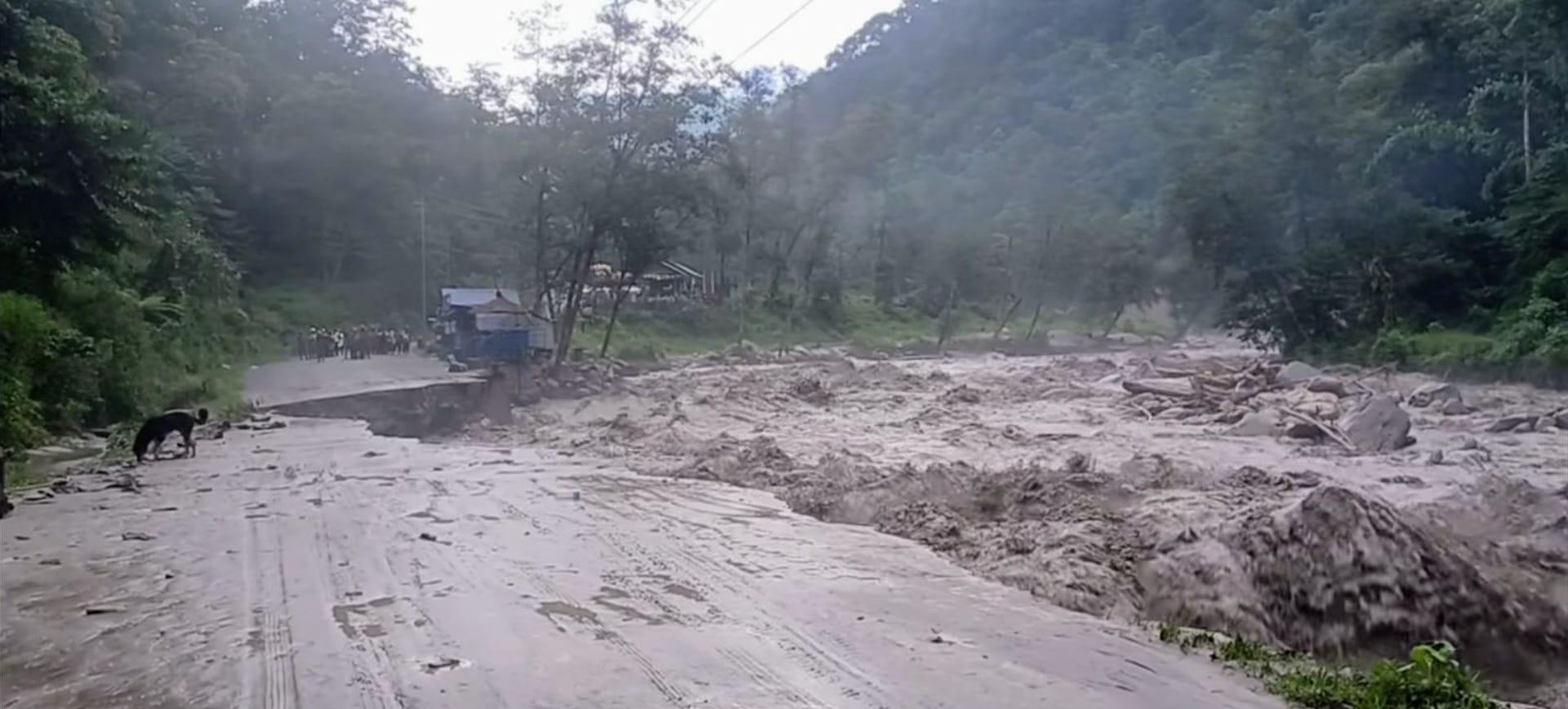
Transport services halted in two far-western districts due to forecast of heavy rain
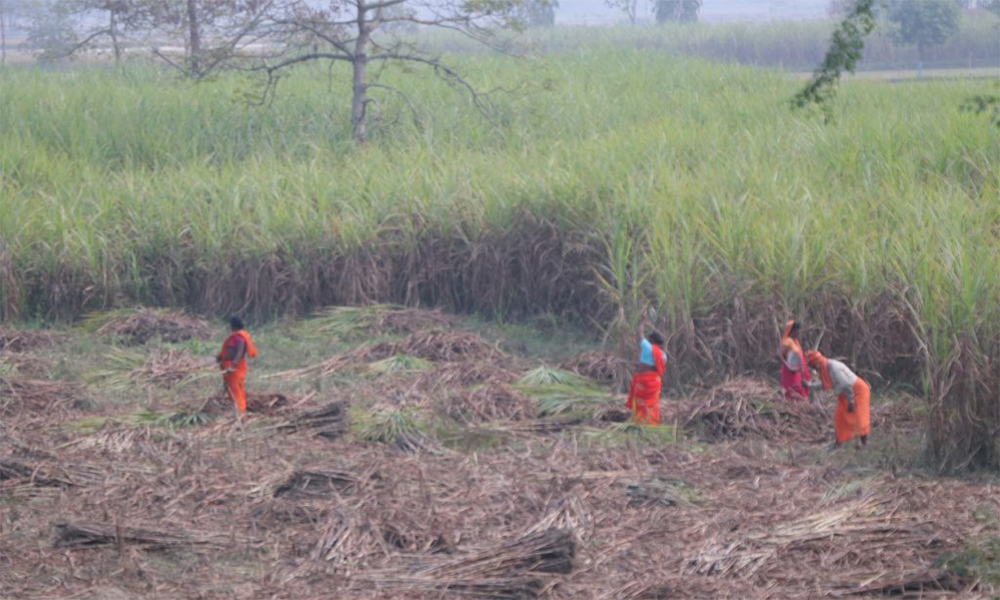
Storm and incessant rain damage sugarcane farming
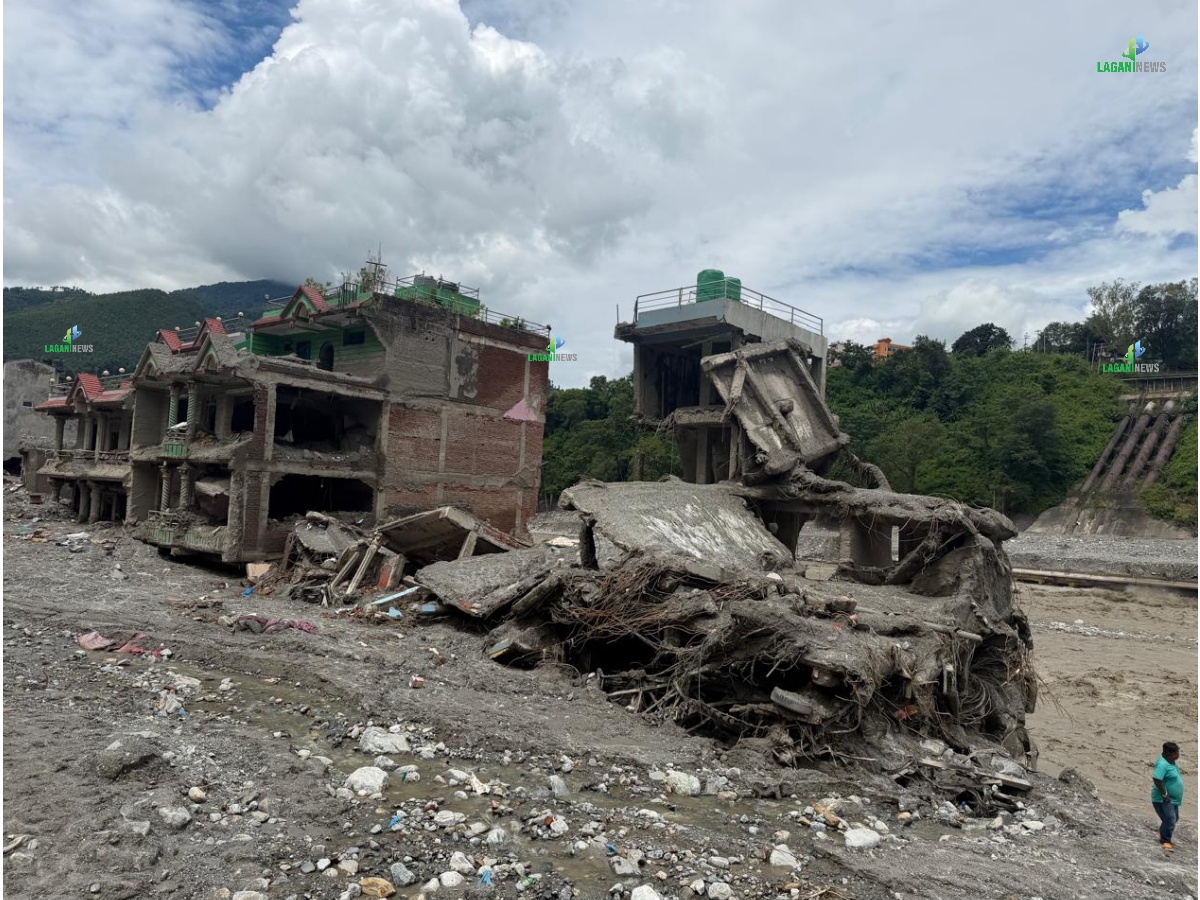
Bhotekoshi floods: Status of three people’s representatives still unknown





Asian stock markets are greening with trade talks and AI excitement
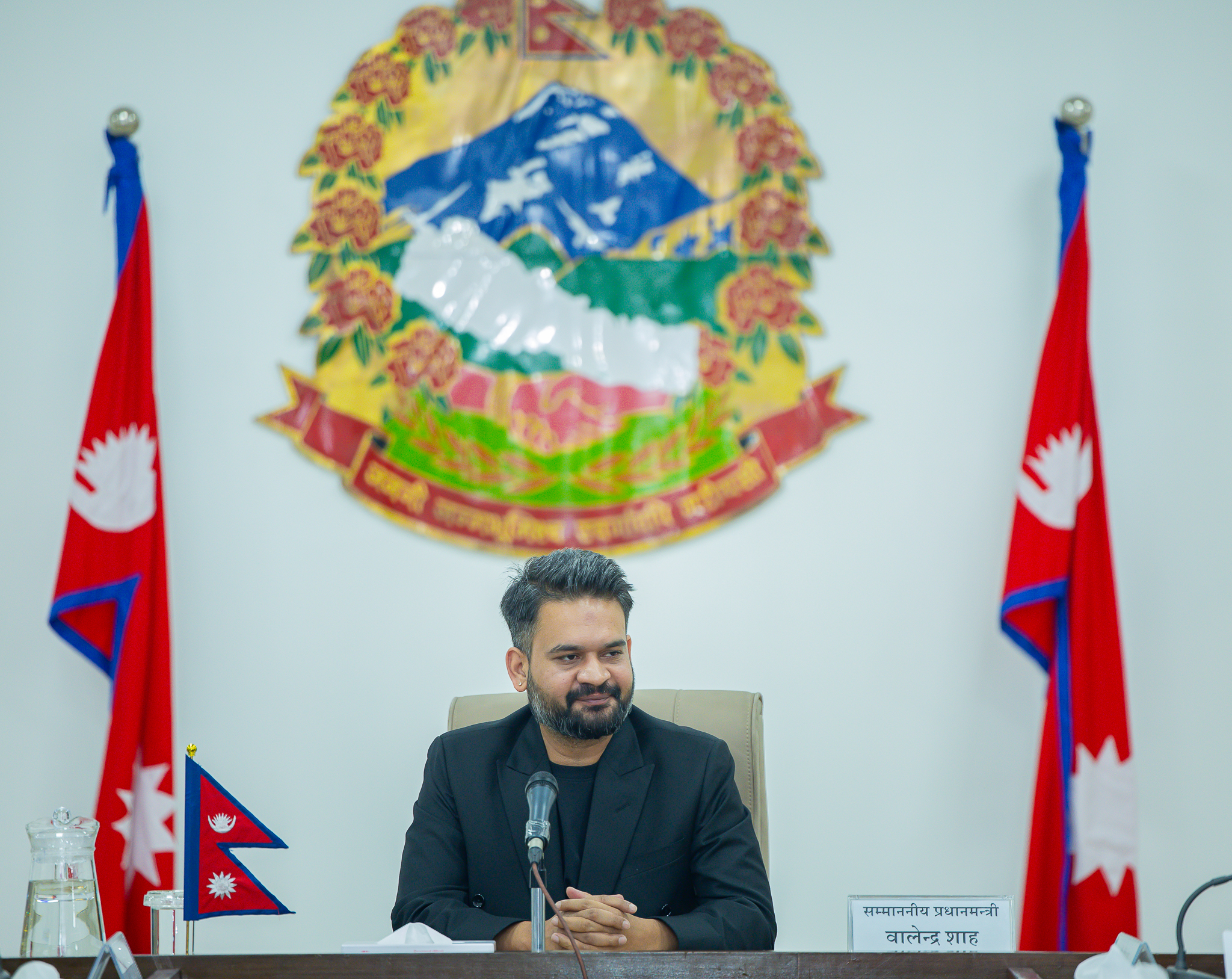
PM Shah and his Malaysian counterpart Ibrahim hold telephonic conversation: Malaysia doesn’t like syndicates and middlemen in employment sector

Beni Hydropower Project IPO allotment
Data Hub Cyber Attack Persists for 30 Hours, Claims Backup Safe Until 4 A.M. on Sunday

प्रतिक्रिया दिनुहोस्