

Kathmandu. As Japan commemorates the anniversary of the 1945 atomic bombing, the nuclear arms debate has worried pacifists as the country’s longstanding pacifist policy is under threat.
Japan’s constitution forbids war and the use of military force. Japan has for decades adhered to three non-nuclear principles: no ownership, no production and no entry into its territory. But the policy has come under pressure from growing military capabilities in East Asian countries, including China, and questions about the credibility of Japan’s main security partner, the United States.
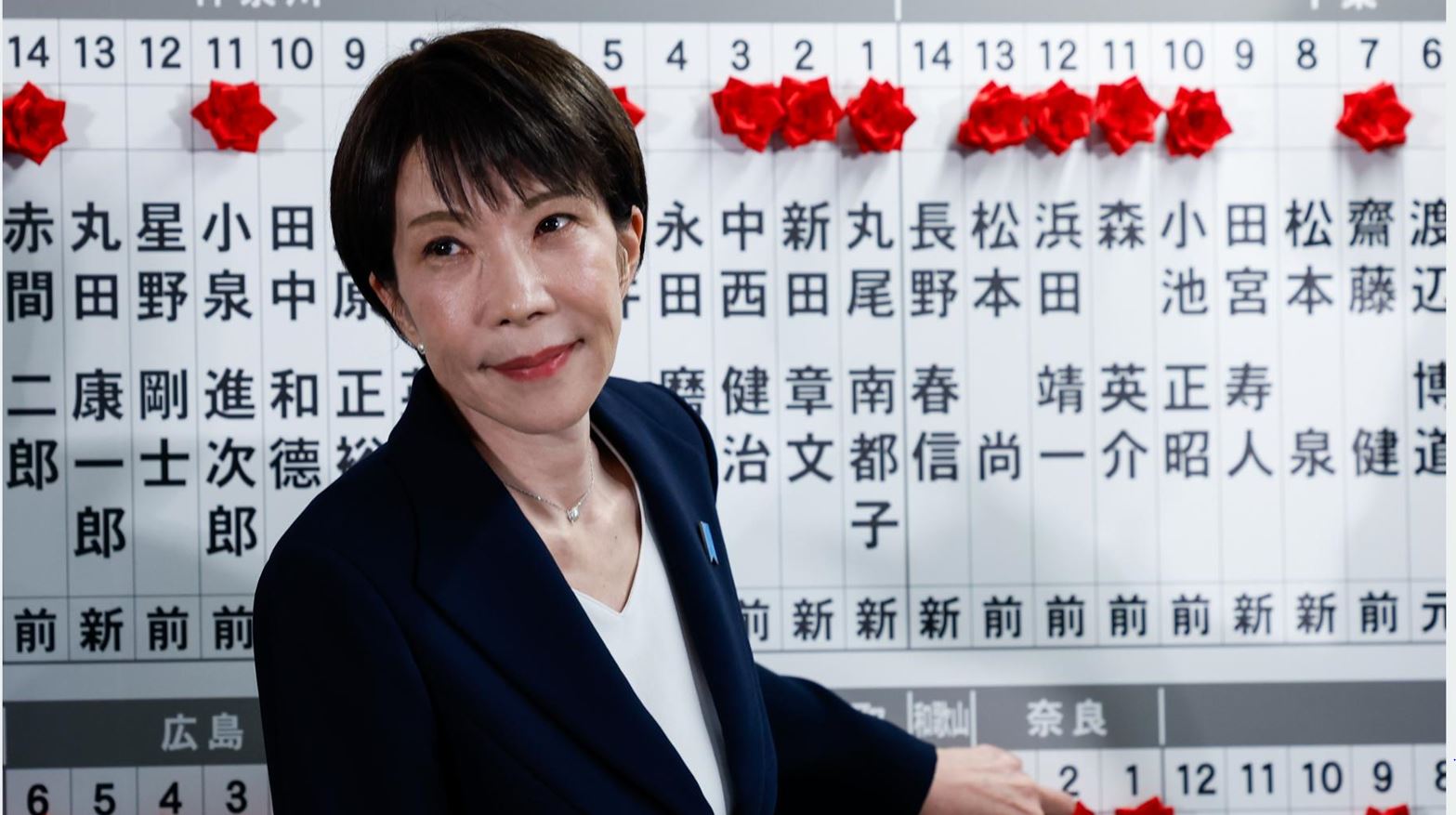
Prime Minister Sanae Takeichi has refused to explain the government’s future stance on the three non-nuclear principles. Defense Minister Shinjiro Koizumi said last month that the issue of nuclear weapons should be discussed without restrictions.
In December, a senior government official hinted at Japan’s nuclear weapons, which drew widespread criticism.
Satoshi Tanaka, an 82-year-old Hiroshima atomic bomb survivor of the 1945 atomic bombing, said he was worried that Japan’s nuclear commitments could change. He was of the view that emphasis should be laid on peace building through diplomacy rather than focusing only on military capability.
Japan marked the 81st anniversary of the Hiroshima atomic bombing on Thursday, and on Sunday it will commemorate the Nagasaki attack. In August 1945, the US atomic bombs on Hiroshima and Nagasaki killed more than 210,000 people due to radiation exposure.
China’s growing military capabilities, Japan in defense policy expansion
}
In response to China’s growing military capabilities, the Takaichi government is making sweeping changes to its national defense strategy. The government has increased the defense budget, eased the ban on arms exports and is also trying to amend the constitution.
China has criticized the move and accused Japan of moving towards “new militarism”. Meanwhile, the number of survivors of Japan’s 1945 atomic bombing has been steadily declining. By March, the government estimated that the number of survivors of the attacks in Hiroshima and Nagasaki was more than 91,000. Their average age is 86.7 years.
Reconsideration of non-nuclear theory
The United States has been concerned about the future of Japan’s three non-nuclear doctrines, which have been in place since 1967.
Takaichi’s supporters argue that Japan should reconsider allowing the US to store nuclear weapons in order to ensure regional security and US nuclear deterrence.
Hirofumi Yoshimura, head of the Japan Innovation Party, also said the principle needed to be discussed in the context of the U.S.-Japan security alliance.
He stressed the need to work towards a world without nuclear weapons, and said they could discuss how to make the expanded nuclear deterrence capability more effective under the US alliance. But critics warn that Prime Minister Takeichi’s security policy centered on military capabilities could increase Japan’s security risks.
Tanaka, a survivor of the Hiroshima attacks, met Prime Minister Takeichi and asked for clarity on the future of Japan’s nuclear policy. In response, Takaichi said that Japan currently adheres to three non-nuclear principles.
Tanaka said he was “more concerned” about the prime minister’s response “only about the current situation and did not specify what Japan’s future policy would be.”
















प्रतिक्रिया दिनुहोस्