




Kathmandu. President of Federation of Nepalese Chambers of Commerce and Industry (FNCCI) Anjan Shrestha stressed the need for the government to put an end to the tendency of hurry in formulating new policies, acts and laws. He also urged the government to hold adequate discussions and consultation with stakeholders and private sector before formulating the policy.
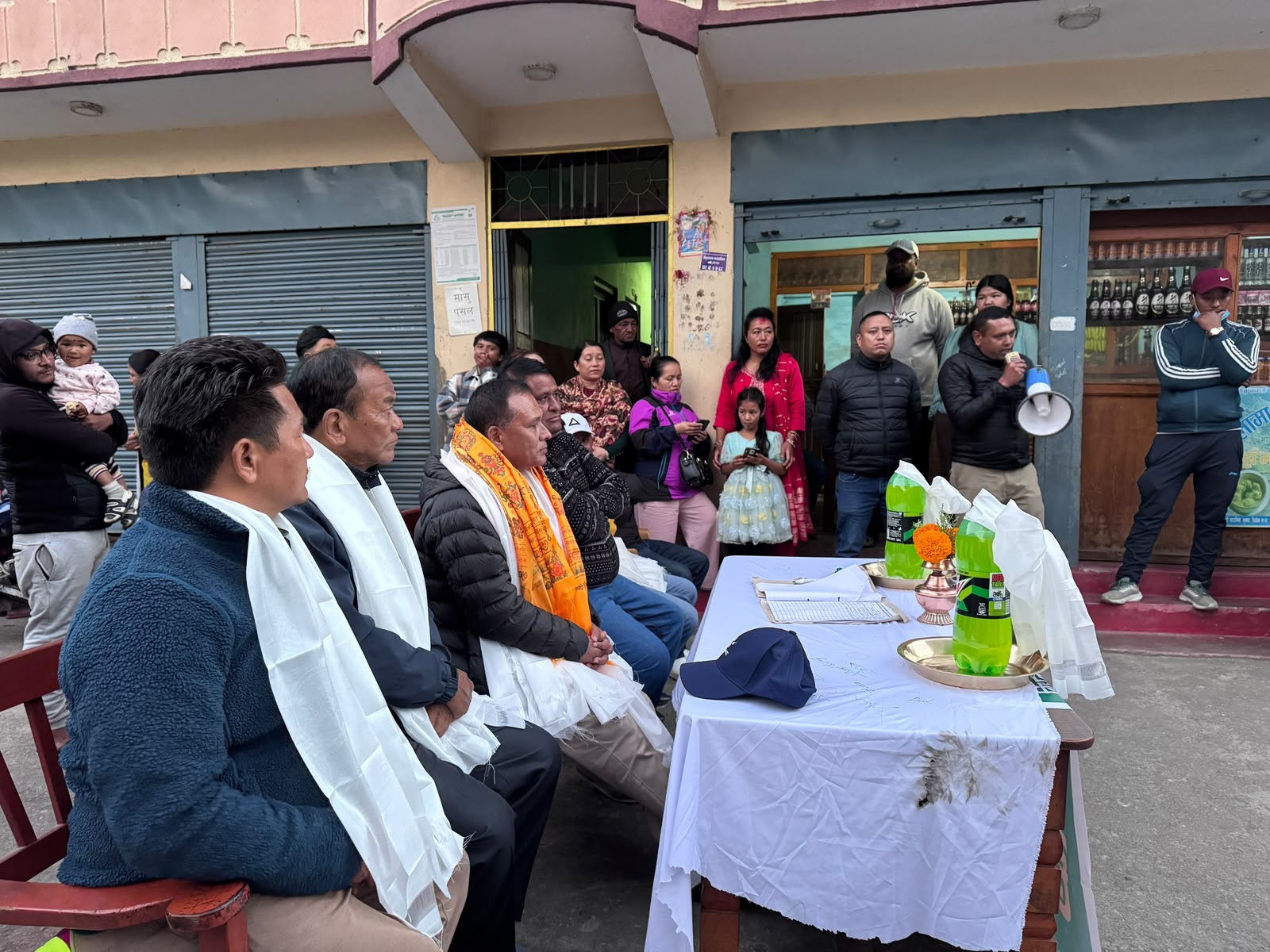
Addressing the 59th annual general meeting of Nepal Association of Tour and Travel Agents (NATTA) here today, Chairman Shrestha said that the tendency of seeking suggestions from the private sector but not creating an environment to accommodate it in an effective way would hamper the policy implementation. “There is a need for adequate discussion and dialogue before bringing any policy and act. The situation of the private sector seeking suggestions in a hurry and then not incorporating the suggestions should end,” he said.
Chairman Shrestha was of the view that the private sector should be involved as a real partner in the policy-making process instead of merely being present as a witness. Stating that the private sector has a huge role to play in the economy, the Minister said that experience and suggestions of the private sector should be taken seriously while formulating policies related to improvement of business environment, investment expansion and employment generation.
Stressing that the relationship between the government and private sector should be one of trust and partnership rather than controlling, Chairman Shrestha said that if the business environment becomes conducive and investment-friendly, the private sector will be strong and it will automatically increase the revenue of the government. He stressed on the need of giving top priority to the tourism sector to make Nepal’s economy sustainable and balanced.
Stating that tourism could be an important basis for employment, foreign exchange earnings and expansion of regional economic activities in Nepal, he said that tourism should be developed as a high value generating industry and not just as a sector to increase the number of visitors.
Chairman Shrestha also pointed out the need of providing clear and reliable data on the real contribution of tourism sector to Nepal’s economy. He was of the view that the direct and indirect contribution of tourism to the Gross Domestic Product (GDP), employment, foreign exchange earning and other economic activities should be realistically assessed.
“The real contribution of tourism to the economy should be clear from the data. If tourism is to be prioritized, it is necessary to properly evaluate its contribution, potential and impact,” he said.
Stating that the risk may increase as Nepal’s economy depends on remittances for a long time, Shrestha pointed out the need for expansion of productive sector and development of other sustainable sources of earning foreign currency.
He was of the view that the country’s economy could be further strengthened if tourism, export, information technology and other service sectors were made competitive.
He stressed on the need of improvement in infrastructure, air and road connectivity, destination development, quality of service and investment-friendly environment for the development of tourism sector. The real potential of tourism could be realized only through effective collaboration between the private sector and the government, he said.
Chairman Shrestha stressed on the need of ensuring regular, adequate and competitive flights to operate Bhairahawa and Pokhara international airports along with Kathmandu in full capacity.










प्रतिक्रिया दिनुहोस्