


Kathmandu. KATHMANDU: Stakeholders in the energy sector have stressed the need for additional electricity trade for domestic and international marketization of electricity.
Speaking at the Friday Forum organized by the Independent Power Producers’ Association of Nepal (IPPAN) here today, he said that the private sector was imperative in electricity trade to end the current situation of wastage of electricity and to save billions of rupees already invested in electricity generation in the future.
Speaking at the event, the speakers said that the production of hydropower in Nepal is growing at a rapid pace and it will play an important role for competitive electricity to consume and export it in a systematic manner.
He said that the private sector should also be opened up for electricity trade as it is not possible to trade a large quantity of electricity from a single agency and a limited structure at present.
They said that the license for electricity trading can be issued within the ambit of the existing law and it should not be delayed.
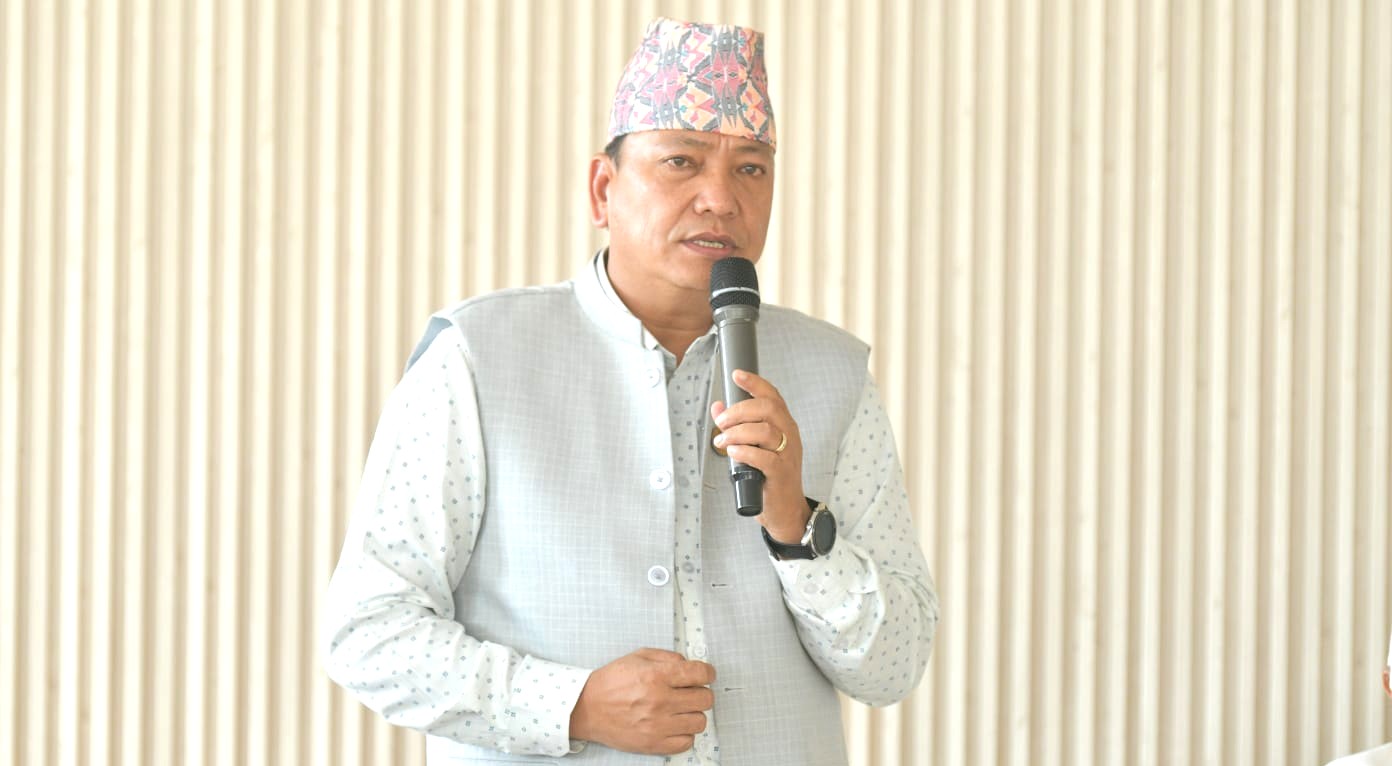
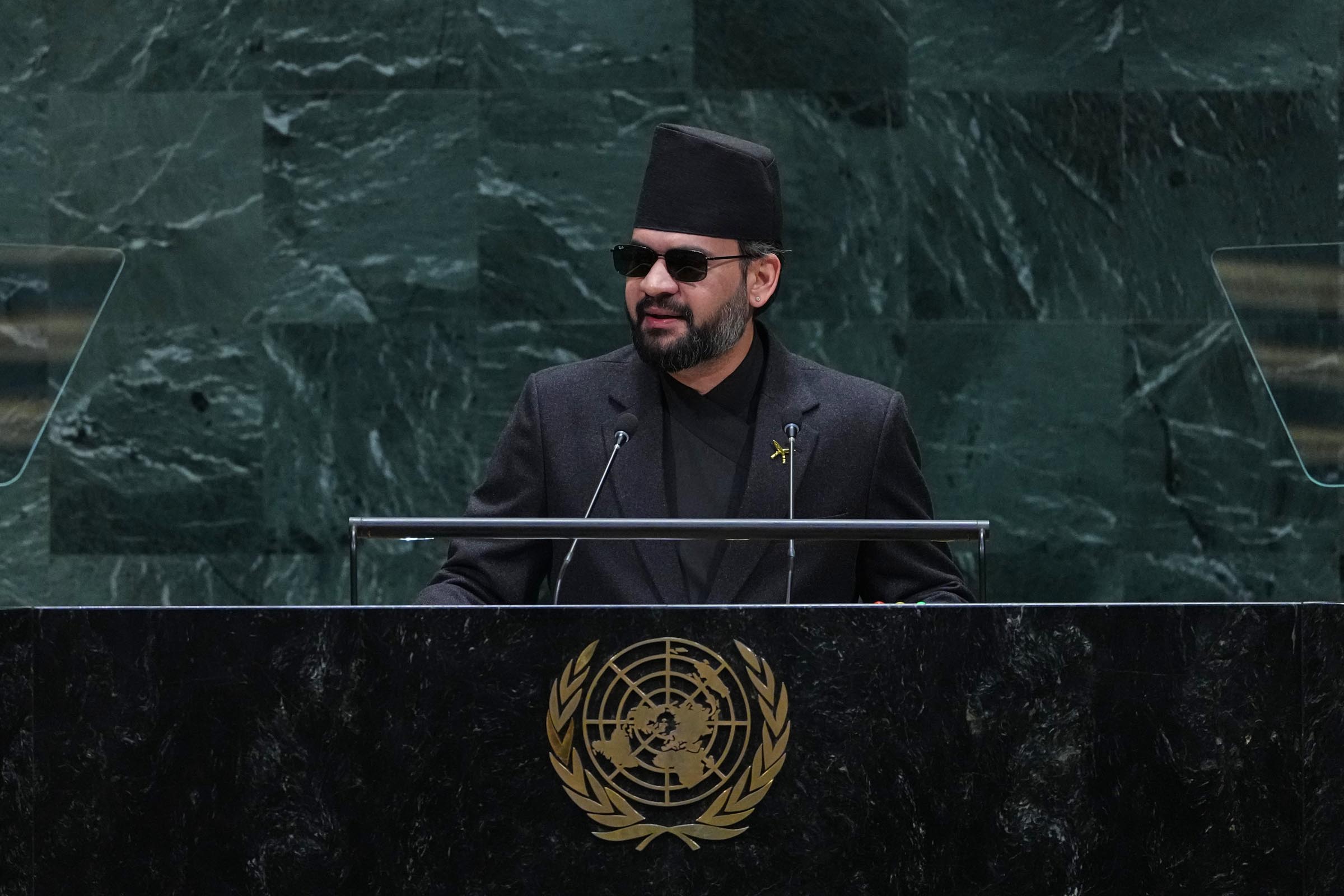
Energy Minister Biraj Bhakta Shrestha said the government was working to promote private sector. “The government wants to move ahead by collaborating with the private sector,” Shrestha said, adding, “We are trying to work with you by forming a high-level committee.” ’
On the occasion, NEA’s former deputy executive director Prabal Adhikari presented a working paper on ‘Nepal-India Power Trade: The Way Forward for Private Sector’. A committee headed by former secretary Dinesh Ghimire has also made provision for issuing licenses as per the Electricity Act, 2049.
Adhikari said that there is no obstruction in issuing the license to the private sector as the government has already approved the Nepal Power Trading Company Limited (NPTC), a subsidiary of Nepal Electricity Authority (NEA) through the decision of the Council of Ministers. Though the term ‘power trade’ has not been mentioned, the authority has already given permission to the subsidiary company of the NEA, Adhikari said.
Clause 21 of the Electricity Act 2049 states that if the government wants to sell the electricity generated by selling it in lump sum, it can buy it to be included in the national grid. The rate of electricity shall be as determined by the Electricity Regulatory Commission.
Clause 22 of the Act states that if a licensee wants to import and distribute electricity within Nepal, he may import electricity with the prior approval of the Government of Nepal as prescribed.
Stating that electricity trade is a complex issue, Adhikari claimed that the government’s investment in distribution and transmission line alone would not be enough. “Electricity trade is a complex issue, so it is not possible to trade electricity through only one agency of the government,” he said.
Former energy secretary Anup Kumar Upadhyay said that although the government had tried to issue licenses to the private sector, it was halted due to lack of stable government.
“Although preparations were made time and again to bring a law on the issue of power trading license, the decision could not be taken due to the change in the government,” he said. There is no doubt that power trading licenses should be issued. ’
Chairperson of the Electricity Regulatory Commission, Ram Prasad Dhital, said that the rate of transmission fee will be determined and made public by the third week of August. “Earlier, when the guidelines on open access were brought, we were preparing to meet all the criteria within a month. But it didn’t happen,” he said. He also said that there could be a conflict of interest when there is only one organization in production, distribution and broadcasting.
He said that after the issuance of the open access guideline, the way will be opened for the project to directly seek customers. “We were supposed to bring out the subsidiary guidelines required for the Open Access Directive within 120 days. It was delayed for various reasons. Now we are working to bring the work within the first week of August. ’
Energy Minister’s advisor Bibek Raj Kandel said electricity should be focused on its use and trade, not just about access. “We should not make electricity just a matter of access. It should be focused on use and trade. ’
IPPAN Chairman Mohan Kumar Dangi said that the electricity trading license will be given to the private sector.
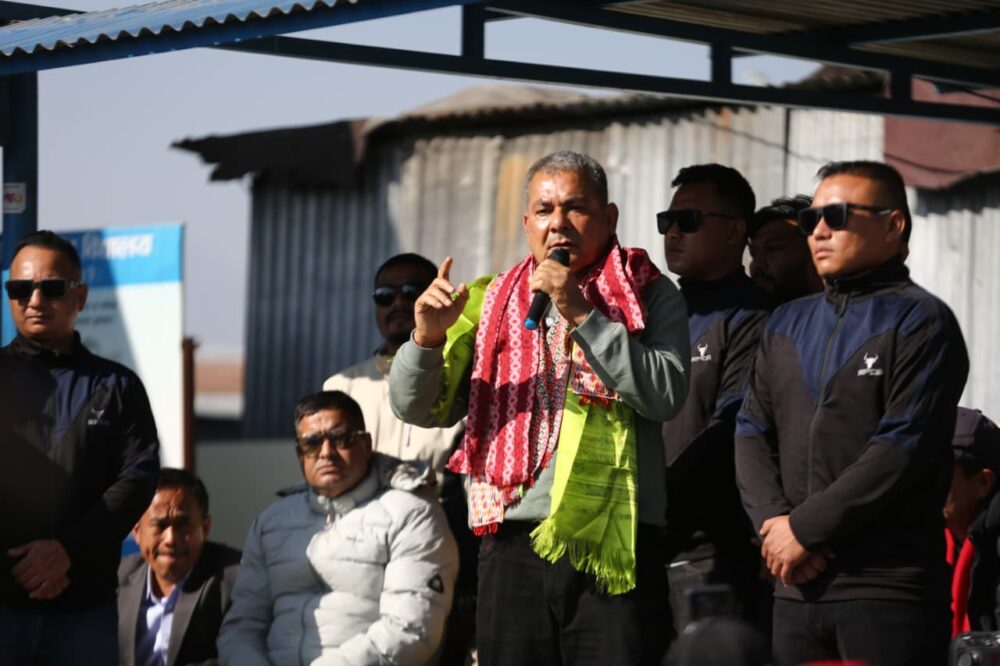
“The 2049 Act has made a big leap in electricity generation. Currently, the private sector has 80 percent contribution in electricity generation,” Dangi said, adding, “There will be a big leap in cross-border trade after the license was given to the private sector for power generation.” ’
Sagar Shrestha, CEO of the National Grid Company, said that Rs 6 billion would be needed in the next 10 years. “We are making a secret plan for the transmission line. We need Rs 600 billion based on the energy development roadmap to determine how much transmission infrastructure is needed and what is needed for it,” he said.
Ashish Garg, former vice-president of IPPAN, said that the private sector is ready to buy and sell electricity once the government has given power trading license to the private sector.
“We had registered Nepal Power Exchange Company to purchase electricity at Rs 1018. We are clear about what this company will do,” Garg said, “We can sell the electricity in India using Nepal.” When Nepal needs electricity, we can buy electricity from India. ’
Energy Secretary Sarita Duwadi said the ministry was committed to paving the way for the private sector in transmission and distribution.
“The private sector should play a role in transmission and distribution along with production. The ministry is committed to it. “The ministry is working accordingly to pave the way for electricity trade for the private sector,” he said. ’
Acting Executive Director of Nepal Electricity Authority (NEA) Dirghayu Kumar Shrestha said that NEA was positive on the possibility of additional power trading company. “NEA has been trading electricity through trading companies. “The Nepal Electricity Authority (NEA) will never keep a small mind for more trading companies to come in,” he said, adding, “We are always positive that private sector trading companies should come in.” ’
He said that the authority is ready to move forward by sharing risk with the private sector.
MoU between IPPAN and Grid Company to cooperate
KATHMANDU: An agreement has been signed between the Independent Power Producers’ Association of Nepal (IPPAN) and the National Transmission Grid Company (NTGCL).
A long-term public-private partnership agreement has been signed for the development of broadcasting infrastructure.
The MoU was signed by IPPAN Chairman Mohan Kumar Dangi and RPGCL CEO Sagar Shrestha.













प्रतिक्रिया दिनुहोस्