



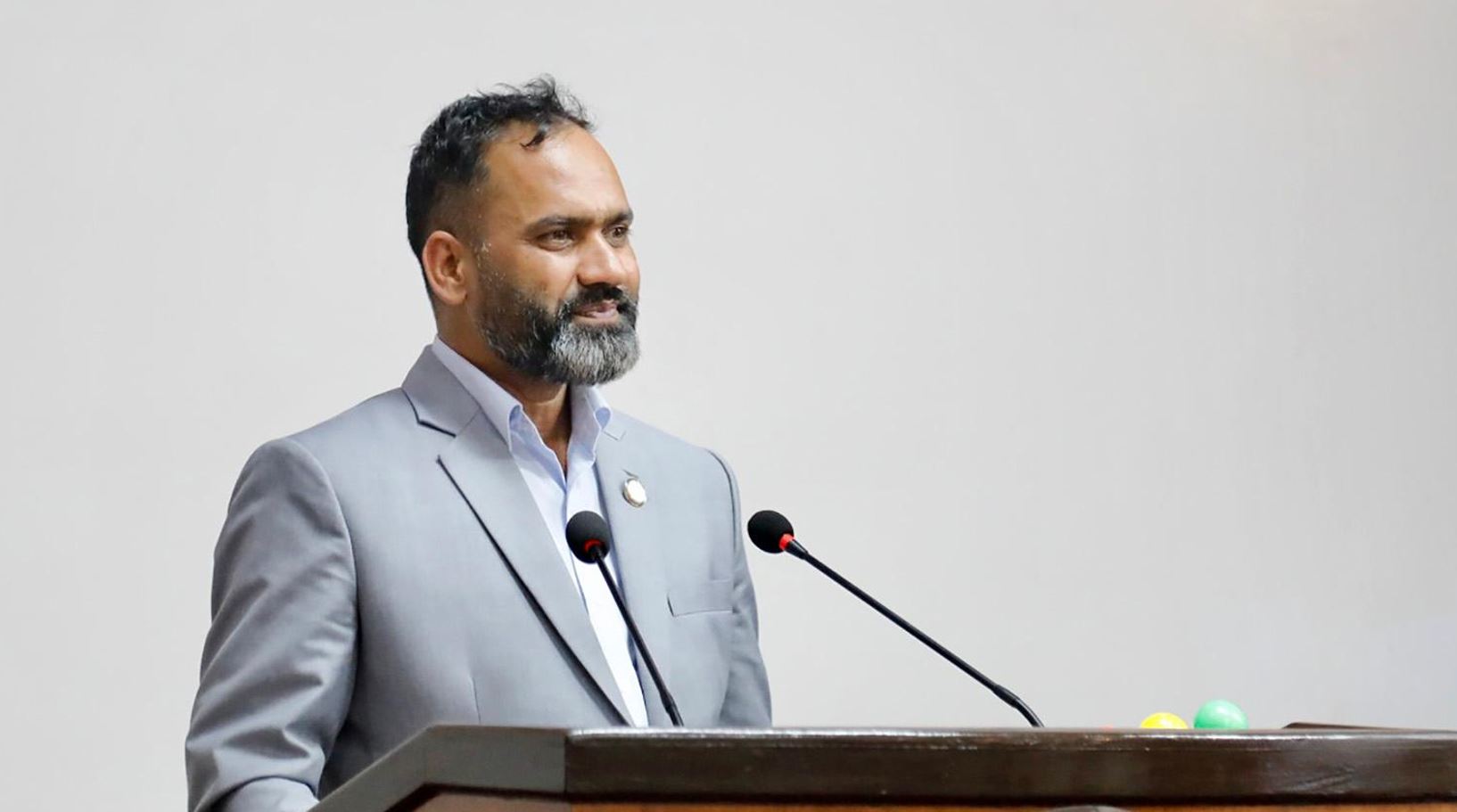
Kathmandu. The Ministry of Culture, Tourism and Civil Aviation has appointed Surendra Bajracharya as the chairman of the Bouddhanath Area Development Committee.
Likewise, Acharya Nurbu Sherpa has been appointed as executive director while Khenpo Shenang, Gamjo Tamang, Bishal Lama and Roshan Kumar Shrestha have been appointed as executive members.
The Boudhanath Committee was formed by the Government of Nepal in 2053 BS in exercise of the powers given by Section 3 of the Development Committee Act, 2013. Since 1979, Boudhanath has been a religious, historical and cultural heritage listed in the UNESCO World Heritage List. It is also the center of faith for Buddhists around the world. Boudhanath Mahachaitya is one of the most visited places in Kathmandu.
The Committee’s duties include approving and implementing plans and programmes related to Buddhism, liaison and coordinating with foreign governments, national and international organizations, institutions and individuals.
The Committee has been carrying out other works to fulfill the objectives of the Committee as per the formation order since its establishment, including Shree Boudhanath Mahachaitya, its premises, Shanti Vatika, Buddhism, tourists visiting the temple and the progress, advancement and publicity of these things within these objectives and duties.
It is one of the most famous Buddhist pilgrimage sites in Nepal. This pilgrimage site, famous all over the world including Tibet, was earlier known as Khasti Chaitya. Nowadays it is also called Boudhanath, Buddhist Stupa, Khasti Chaitya. This stupa is an important pilgrimage site for Buddhist and Hindu pilgrims.
The Boudhanath Stupa is probably the world’s largest chaitya located in the Kathmandu district of Nepal. Tibetan pilgrims and followers of Buddhism circumambulate it by chanting mantras.
This stupa is of great importance as a tourist center of all Nepalese and the world. Among the big stupas in the Kathmandu Valley are the stupas of Buddha and Swayambhu. Although the architecture of these two stupas looks similar at first glance, there are many differences in it.
After the formation of the committee, the work of conservation and management of this stupa and complex has been done. Just as the tangible heritage of this area is important, the intangible heritage here is important.












प्रतिक्रिया दिनुहोस्