

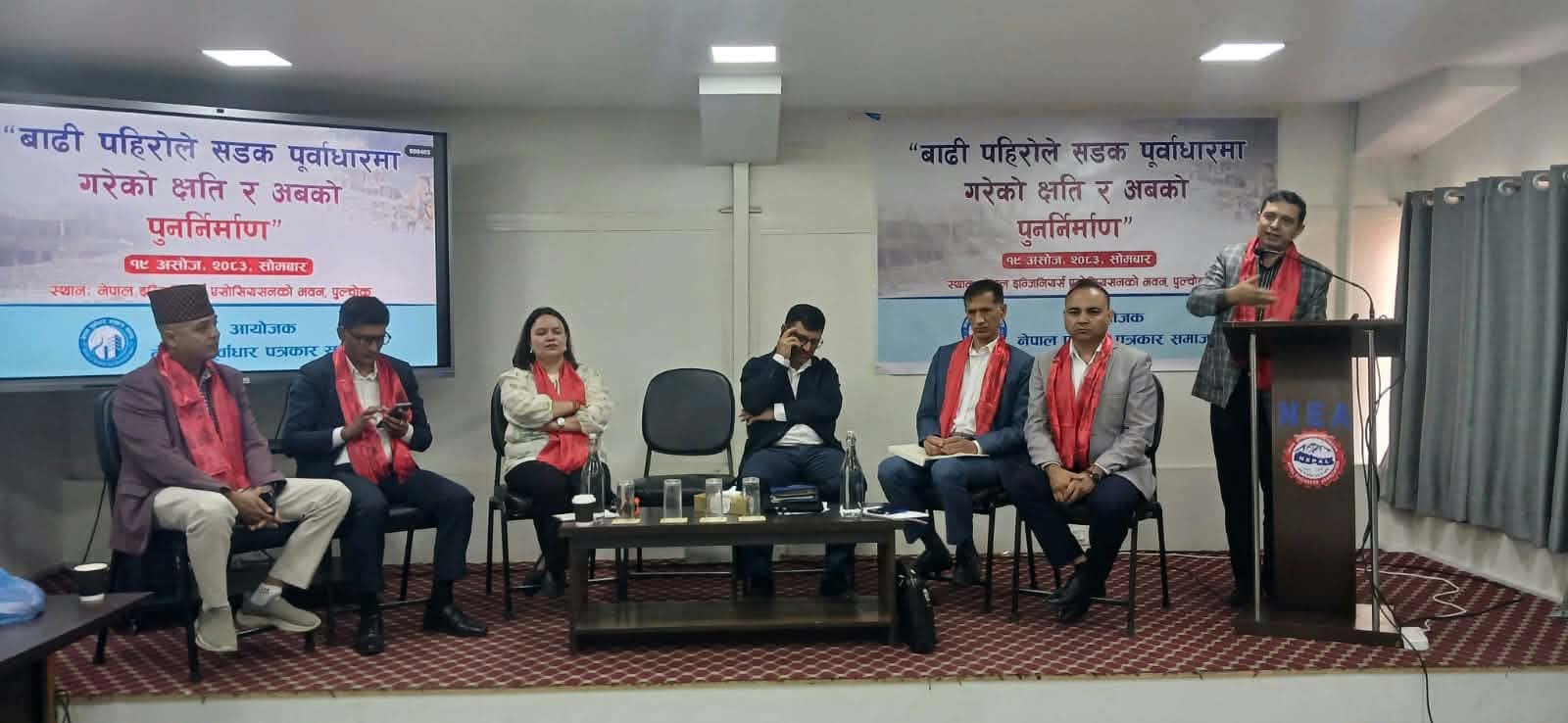
Kathmandu. With the outbreak of major disasters in Nepal, the government has started homework to change the design of roads and bridges.
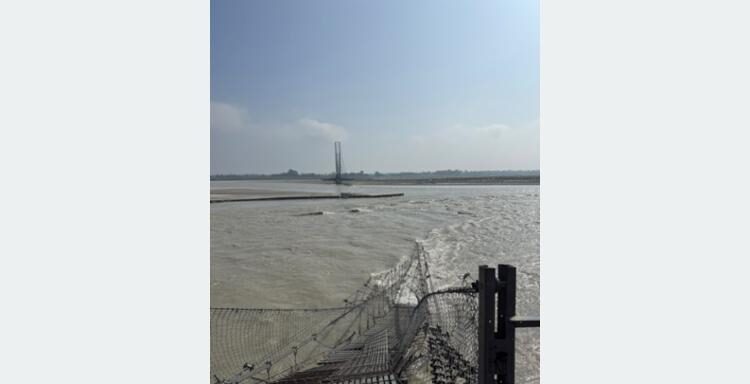
The Ministry of Infrastructure Development is preparing to change the design code of the bridge from a separate unit in view of the floods and landslides in Kaligandaki on August 23 and the floods and landslides in Kaligandaki on August 23.
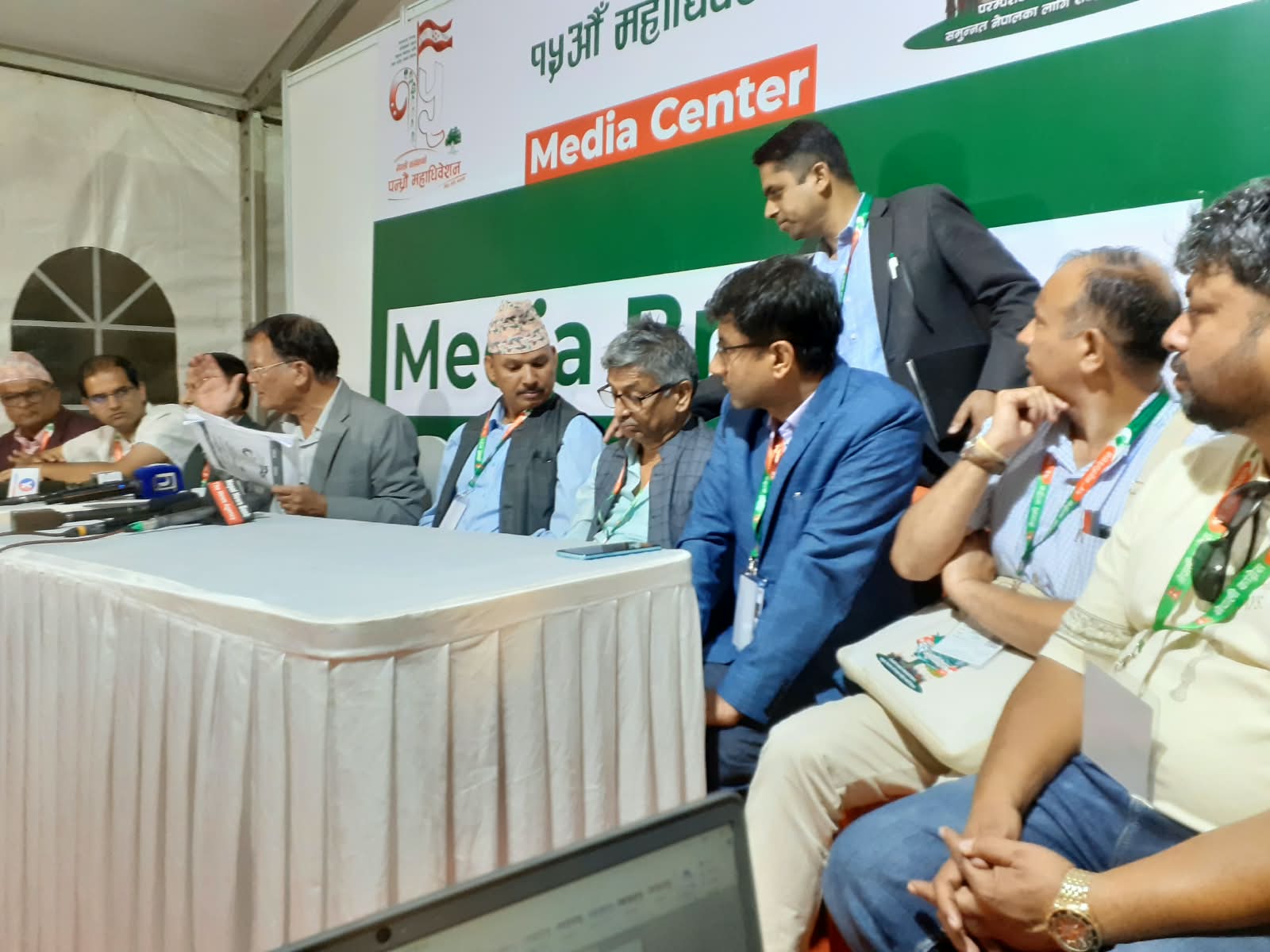
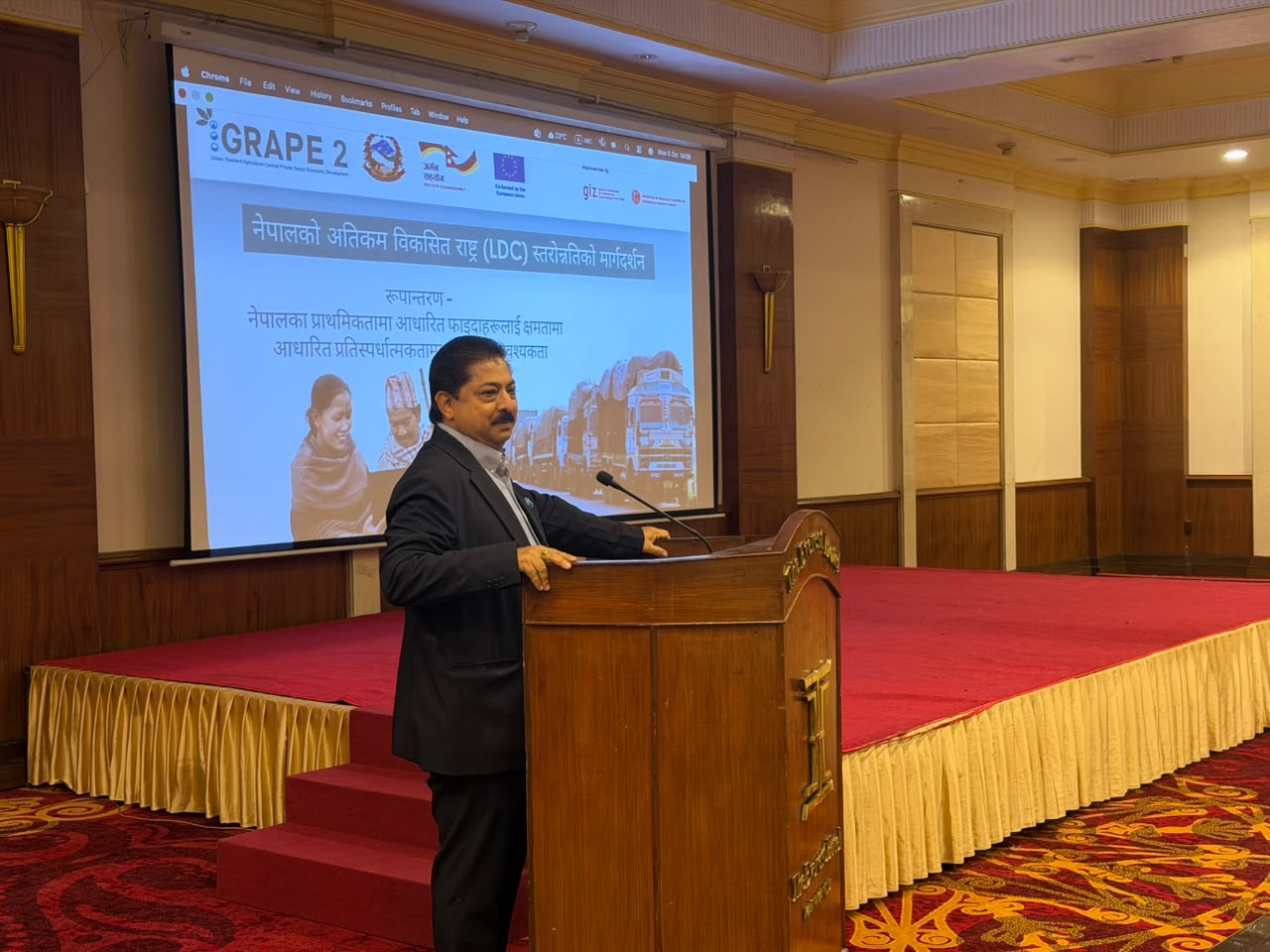
At a programme on ‘floods, landslides, damage to road infrastructure and reconstruction ahead’ organized by Nepal Infrastructure Journalists’ Society here today, government officials shared the information today.
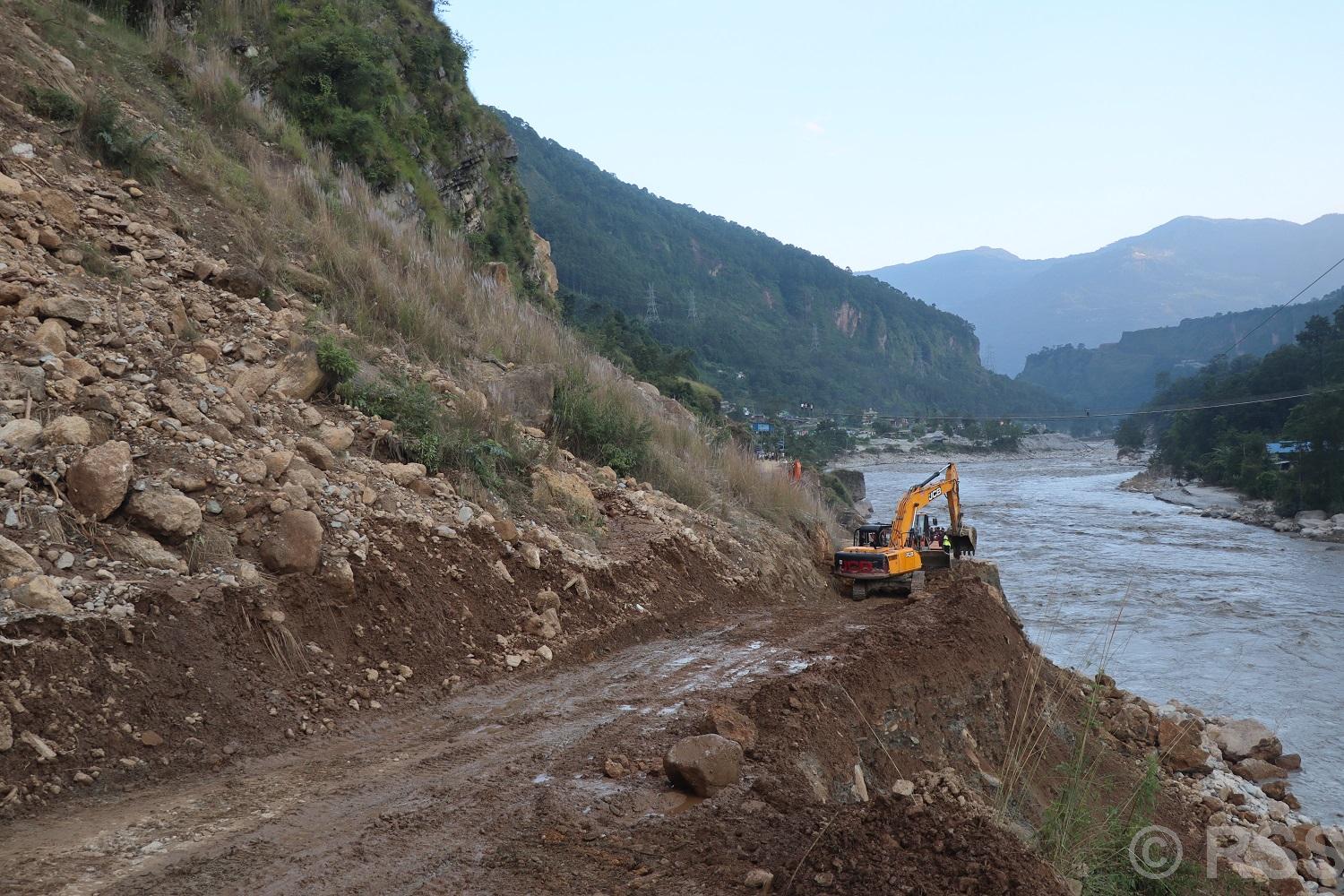
Joint Secretary at the Ministry of Infrastructure Development, Bhimarjun Adhikari, said that floods and landslides are causing damage worth billions of rupees to road and bridge infrastructure every year. He said that the nature of floods and landslides due to climate change and their damage are also beyond assessment. Stating that there have been no such floods in Nepal after the floods in the Trishuli River in 2050 BS, he said, “But in a period of 4-5 years, we have been facing floods in Rasuwa via Sanphebagar, Melamchi, Jomsom-Korala, Mechi Highway, Roshi Khola of BP Highway and now Bhotekoshi.” ’
Stating that the government has not yet set up a separate unit for the possible damage caused by floods and landslides, he said that homework has been started to establish a disaster-focused maintenance and disaster resilience unit. “After the major disasters in the last 4-5 years, we need to review the design code,” said Adhikari, adding, “Now not only water flows in the floods, but a big sediment with sediment has also been washed away and caused a lot of damage, more damage is seen in the upper coastal areas and less impact in the lower coastal areas. ’
He also said that there is no doubt that the infrastructure construction should be climate resilient. He stressed that the design and safety of the infrastructure should be seen from different angles from the initial stage. He said that the government has to spend more money on rebuilding roads and bridges that collapsed after floods and landslides than on new projects. “At present, we have 1 lakh kilometers of roads, but there are fewer blacktopped roads,” said Adhikari, adding that road safety has become challenging when 65,000 kilometers of roads are yet to be blacktopped.
National Planning Commission member Arjun Jung Thapa said that floods and landslides cause damage every year, but there is no separate unit and budget for it. Stating that such problems will continue to occur in the Indo-Kush Himalaya range of Nepal, he said that after the floods of 2050 BS, the contact with the Kathmandu Valley was lost for three months. Stating that Nepal did not even have a bailey bridge at that time, he said, “At present, there are at least 4-5 alternatives to connect Kathmandu and Terai and there are some bailey bridges.” The concept of Kathmandu-Terai Fast Track was brought 20 years ago for the long-term solution of such problem, but the work has not been done as expected. ’
He also said that with the construction of the fast track, two (one Prithvi Highway) will be a good alternative to connect the Kathmandu Valley. Stating that Nepal has taken a lot of loan for the post-earthquake reconstruction of 2072 earthquake, Thapa said, “Billions of rupees have been spent on the management of the loan taken earlier, but the loan should not be taken in the same way for the next reconstruction.” ’
On the occasion, he said that the road will be constructed from Bagar for the time being. “Now the road construction is done from Bagar, because dozens of hydropower projects will have to be connected there and the public movement should also be made easier, but in the long run, the road can be constructed from the upper level by conducting studies from geotechnical and hydrologists.” ’
Director General of the Department of Roads, Dr. Bijay Jaisi said that the Bhotekoshi-Rasuwa-Trishuli flood disaster has been able to connect the basic road network within 15 days. “The main challenge at that time was to prepare an alternative road immediately, and the road to Krishna Bhir was also added,” said Jaisi, adding, “Within three days, we have prepared the design of the road of Krishna Bhir and brought the road into operation in a few weeks.” ’
Presenting a working paper at the interaction program, Jaisi said that the recent floods and landslides have prompted us to rethink the process from the design of infrastructure construction. “We are working with consultants to change the design of roads and bridges,” Jaisi said, “We also need an expert engineer related to disasters, and we are discussing with the Ministry of Infrastructure Development for a similar position.” ’
He also said that the design of roads and bridges has not been done after assessing the current disaster. He also said that works are being done to connect the Rasuwa road network connecting the northern border point and that a feasibility study and discussion and consultation with China would be held for the construction of the road in the long term. He also said that the level and height of the Bhotekoshi floods have also been seen as the main reason, “Now it is necessary to build tall and long bridges, but as it will be expensive to build such bridges, high bridges will be built on the basis of need.” Now we are in discussions with international consultants. ’
Ramji Pant, senior vice-president of the Federation of Contractors’ Associations of Nepal, said that it was necessary to end the practice of seeking geologists only after landslides. Stating that the entrepreneurs are suffering additional losses in the maintenance of the roads built due to floods and landslides, he said, “Although it is a hilly region, most of the roads in Nepal are not seen to be bio-engineered. ’
Speaking at the program, President of Nepal Engineers’ Association, Engineers’ Association Engineer Subash Chandra Baral said that Nepal is hesitant to accept the current disaster even though it is unexpected. “Nepal alone covers 800 kilometers of the Hindu Himalaya region, so such disasters can occur in Nepal at any time, it has been ignored,” Baral said, adding, “There is a lot to learn after the floods, from the engineers to the local level, to the local level, to the local governments, to the policy makers, but we have always failed in this.” He said that the disaster will be faced through collective efforts and this time also there is a lack of coordination in the rescue. He also informed that 186 engineers and technicians have lost in the Rasuwa floods.
Baral said that even though floods and landslides cause damage in Nepal every year, there is no preparation and design of road bridges according to that. Baral said that the policy makers and designers failed to take the design stage before the natural disaster. Stating that the government’s attention has only been focused on the national highways, he stressed that the local and alternative roads should also be equally focused on making quality and safe roads. However, he said that the local level needs to make the roads in their areas safe and quality.










प्रतिक्रिया दिनुहोस्