

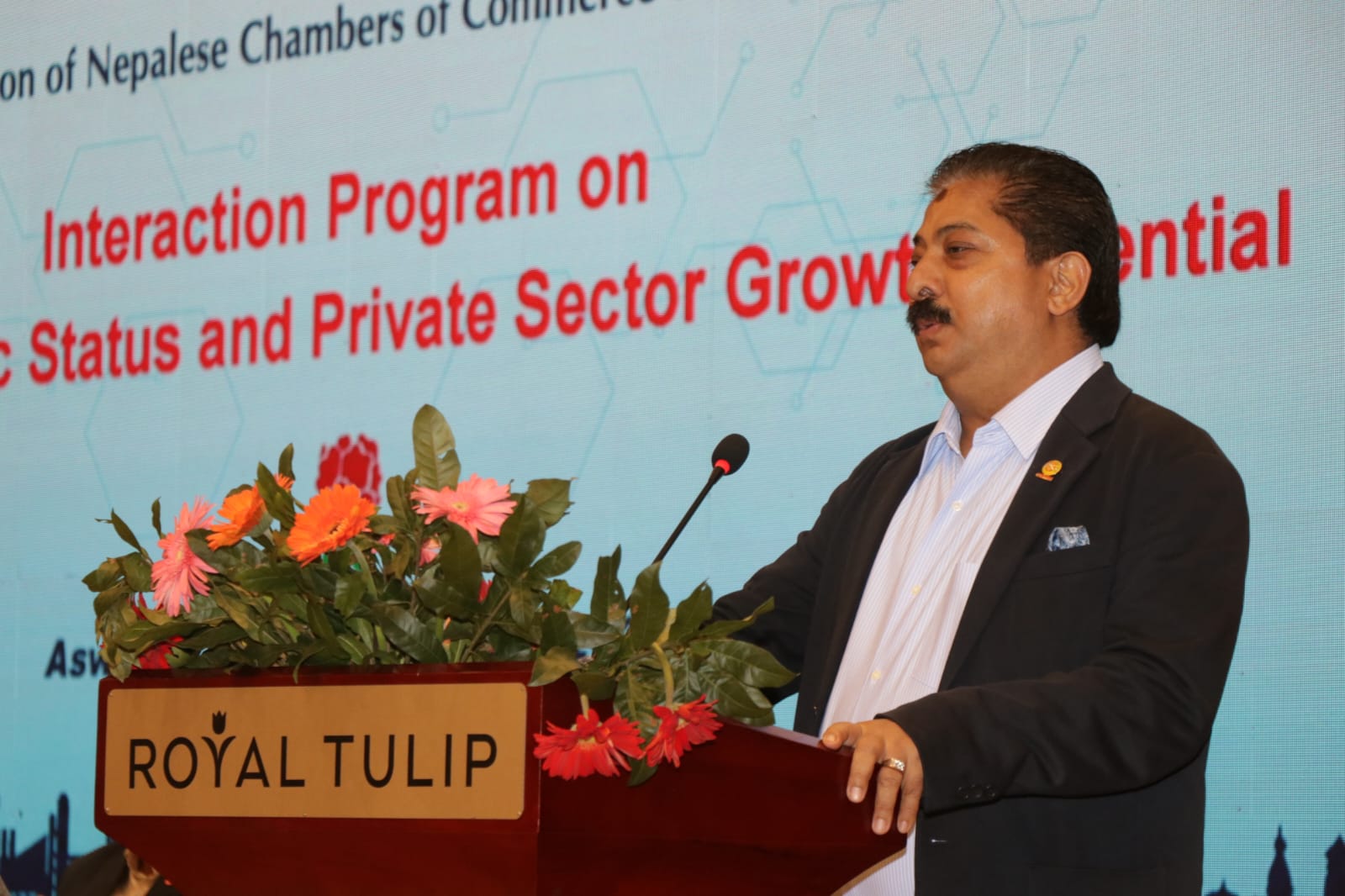
Kathmandu. The Federation of Nepalese Chambers of Commerce and Industry (FNCCI) has drawn the attention of the government that although there is no shortage of capital, energy and entrepreneurship for investment in Nepal, the available resources have not been converted into production, export and employment generation.
Speaking at an interaction programme on ‘Current Economic Situation of the Country and Prospects of Private Sector’ organized by FNCCI in Kathmandu on Wednesday, FNCCI President Anjan Shrestha said
He said that the investment and credit flow of the private sector could not increase as per the expectation despite the excess liquidity of around Rs 12.66 trillion in the banks and financial institutions, more than Rs 2300 billion in remittances annually and electricity generation increasing rapidly.
According to the private sector, the main challenge at present is to convert the available liquidity, remittances, energy and entrepreneurship into productive investment, exports and employment. The private sector believes that although entrepreneurs have investment opportunities, they need stable policies, reliable legal systems and an effective administrative environment to expand their businesses, create new jobs and make long-term investments.
Nepal’s economic growth slows compared to neighboring countries
}
According to the World Bank’s 2026 data, Nepal’s economic growth rate is 3.7 percent. During this period, the average economic growth rate of South Asia was 6.9 percent, India’s 7.1 percent and China’s 4.5 percent.
According to the National Statistics Office, Nepal’s economic growth rate in the fiscal year 2082/83 was 3.85 percent. In the previous fiscal year, the growth rate was 4.43 percent. For the current fiscal year, the International Monetary Fund, the World Bank and the Asian Development Bank have projected Nepal’s economic growth to be 3.6 to 4.1 percent. This is almost half of the government’s target of 7 percent economic growth.
However, some indicators of Nepal’s external sector are positive. By the end of the fiscal year 2082-83, the country’s foreign exchange reserves have reached $ 25.30 billion. This reserve is in a position to sustain the import of goods and services for 19.6 months.
Remittance inflows increased by 37.1 percent to Rs 23.63 trillion. This is equivalent to 33 percent of the GDP. At the same time, the current account is in surplus of $ 6.3 billion.
With the increase in electricity generation, the industrial growth has reached 5.7 percent while the growth of the electricity sector has been 20.9 percent. Although these indicators show the potential of Nepal’s economy, the private sector has not been able to mobilize the available resources effectively to expand production.
In the last fiscal year, goods worth Rs 20.96 trillion were imported, while exports were limited to Rs 315 billion. According to this, Nepal’s exports cover only about 15 percent of the imports. Remittances have increased to seven and a half times the export of goods.
This shows that although remittances have made a huge contribution to supporting bank deposits and imports, they have not been able to make the expected contribution to the expansion of domestic production and exports.
Money piled up in banks, private sector loans did not expand{
In the financial year 2082/83, the deposits of banks and financial institutions have increased by 13.9 percent. However, credit flow to the private sector has increased by only 6.6 percent. The Nepal Rastra Bank had set a target of 12 percent of credit expansion. After adjusting for the impact of inflation, the real credit growth has been limited to 3.4 percent.
The ratio of debt to GDP has increased from 95.7 percent to 95.9 percent. That is, this ratio has increased by only 0.2 percentage points in a year.
The decline in the average interest rate to 6.55 percent and the lack of credit expansion despite the availability of sufficient funds in the banks and financial institutions indicates that the demand in the market is weak.
The manufacturing sector has not been able to get the expected priority in the credit flow structure. In the first nine months of the last fiscal year, consumption credit increased by 11.7 percent, while credit related to industrial production increased by only 6.5 percent. Agricultural credit decreased by 2.3 percent.
Of the total loans, 63 per cent have been disbursed against real estate collateral. This shows that it is difficult for small and medium enterprises (SMEs) that do not have adequate collateral to access banking credit, even though they have regular transactions and income.
As of mid-July 2026, the overall non-performing loans stood at 5.7 per cent. Similarly, capital expenditure has been limited to 46.8 per cent of the allocation. The analysis shows that demand in the construction, industry and supply sectors has weakened as government investment has not increased as expected.
The capital market has also not been able to play an adequate role in providing long-term capital to the industry. Out of the 305 listed companies in Nepal, the number of manufacturing industries is only 31. The share of banks and insurance companies in the total market capitalization is about 51 percent. This shows the need to increase the representation of productive industries and long-term industrial investment in the capital market.
Floods cause damage worth Rs 408 billion
}
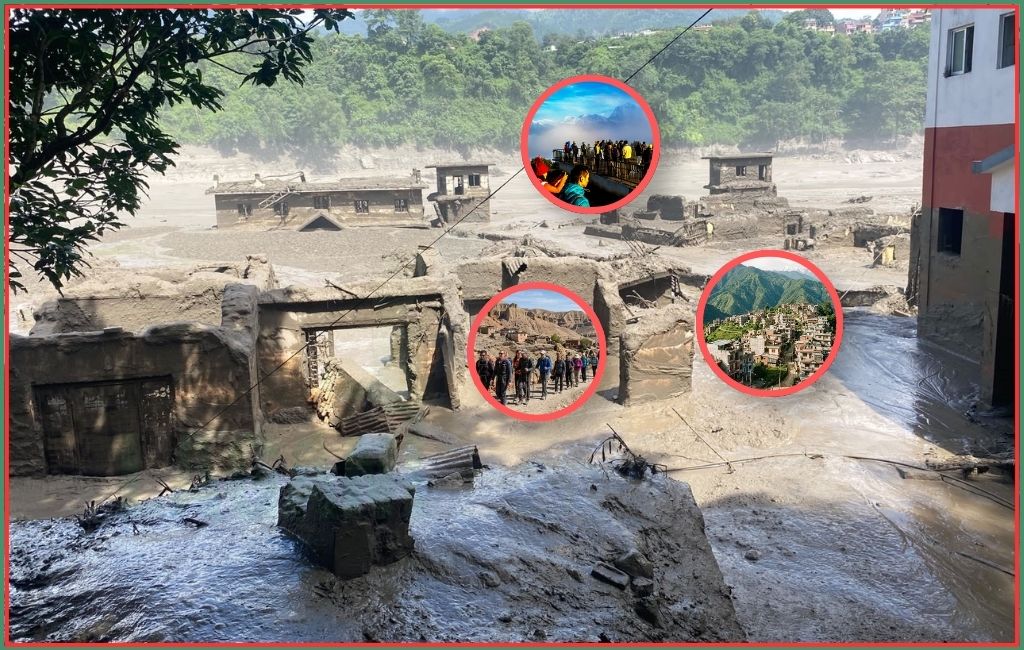
Climate change and natural disasters have also created additional risks to businesses and infrastructure. The floods in the Bhotekoshi area of Rasuwa on August 10 have caused great damage to life, energy, transport and infrastructure.
According to the government’s rapid damage assessment, the floods have caused a loss of about Rs 408 billion. This is about 6 percent of Nepal’s GDP.
About 4,800 businesses have been damaged due to floods worth Rs 146 billion. 13 hydropower projects with a capacity of 759 MW have been affected. The Rasuwa trade point with China has been disrupted and more than 200 hotels and restaurants have been affected at the beginning of the tourist season.
It is estimated that about Rs 723 billion will be required for the reconstruction of damaged structures and infrastructure. The disaster has increased the risk to the operation of business, supply chain, energy production, trade and tourism at the same time. In such a situation, the private sector believes that along with the reconstruction, there is a need to make arrangements to restart the affected businesses.
The capacity of the industry was not used by even half due to the decrease in purchasing power
}
In the fiscal year 2082/83, the average inflation in Nepal was 3.08 percent. The government had projected inflation of 5.5 percent for the period.
The private sector says that while it is positive that inflation is under control, it cannot be concluded that the economy is strong due to low prices. A sluggish rate of inflation in a developing economy for a long time may indicate that consumers have reduced spending, demand in the market is weak, and industry activity is slowing.
The impact of this has been seen on industrial production. Nepal’s industries are operating at only 44.5 percent of the average capacity. With more than half of the production capacity of the industry not being utilized, the cost is now increasing due to oil, import prices and floods.
In July, consumer inflation was 5.96 percent and wholesale inflation was 8.27 percent. Therefore, the private sector has concluded that along with price stability, policies to increase the purchasing power of consumers, expand productive investment, increase industrial growth and create employment are necessary.
The morale of businessmen has also weakened. Business confidence in the experience of the private sector has reached the lowest level in the last 36 years.
The statistics also show that the employment situation is worrisome. According to the International Labor Organization, Nepal’s unemployment rate in 2025 was 10.5 percent. According to the International Monetary Fund, more than 30 percent of the youth are not involved in any of the employment, education or training. This situation has pointed out the need to give priority to the program to create production and employment in the country.
Focused on the potential production and export of the private sector
There is a possibility of expanding private sector investment, production and employment if the available resources and market are utilized in Nepal.
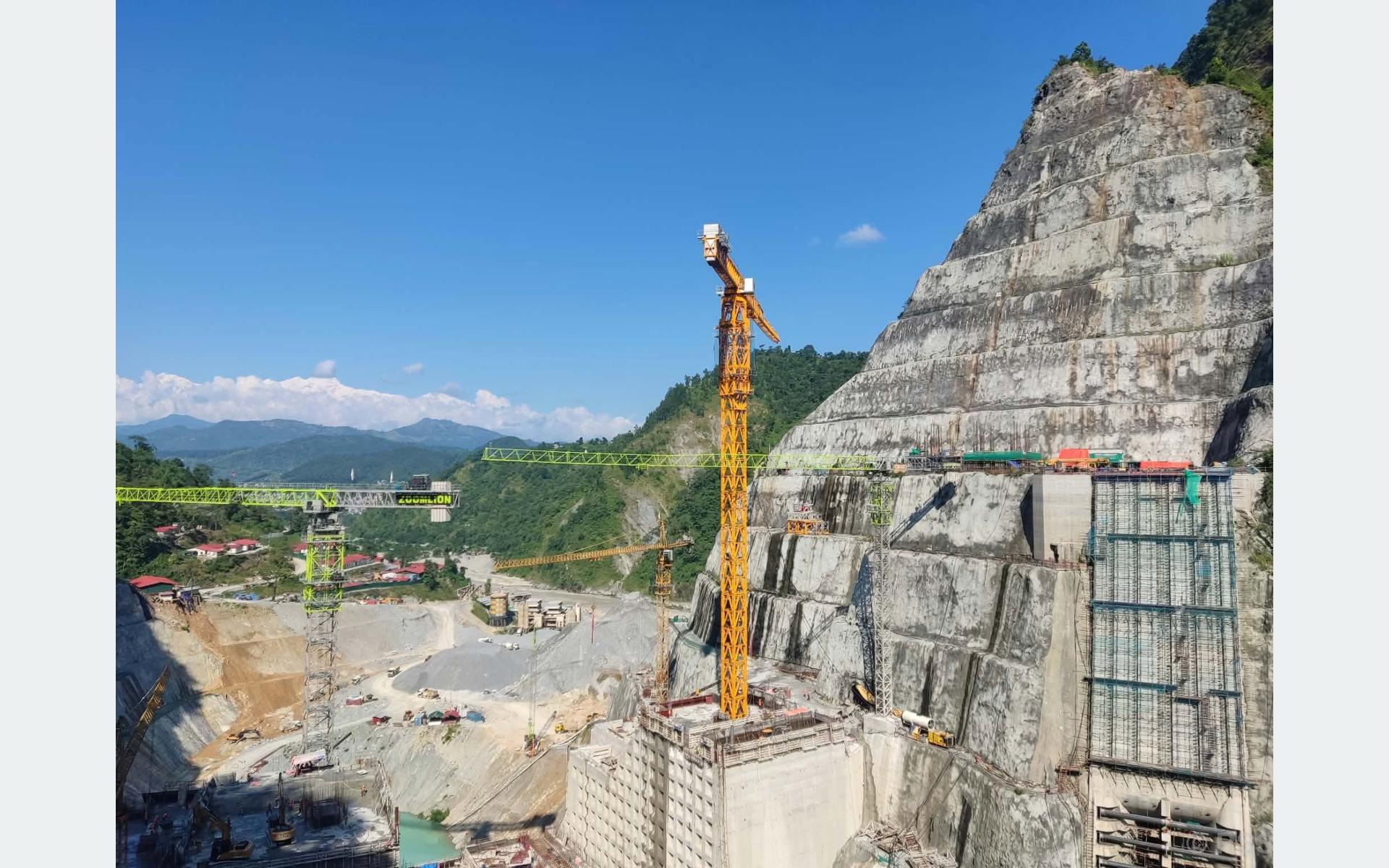
Clean energy: As electricity generation is increasing in Nepal, it can be used in industry, electric transportation, and cold storage. This can help reduce the cost of production, replace imports, and increase the competitiveness of the domestic industry.
Domestic Market: Import of about Rs 21 trillion is a huge potential market in itself. Since more than half of the production capacity of the industries is empty, there is a possibility of substituting imports by increasing the production of existing industries without making additional investments.
Service and Tourism: In 2025, 1.16 million tourists visited Nepal. Their average stay was 16 days. Along with tourism, there is an opportunity to sell information technology and digital services in the international market from Nepal.
Regional Supply Chains: Nepal’s geographical location between the fast-growing India and China can be used as an economic opportunity. If it can ensure reliable trade points, smooth trade processes and competitive costs, Nepal can supply parts and processed goods to the value chain of these countries.
Conversion of remittances into productive investment: If a portion of the remittances of more than Rs 23 trillion annually can be invested in shares, bonds and enterprises run by youths who have returned from abroad, it can be mobilized as productive capital.
Small and Medium Enterprises (SMEs)
The contribution of small and medium enterprises to Nepal’s economy is significant. According to the National Economic Census, there are more than 9,23,000 enterprises operating across the country, in which more than 32 lakh people are involved.
More than 95 per cent of these establishments have less than 10 workers. About 73 per cent of the establishments are run by only one or two people. About 59 per cent of the total workforce involved in the establishments are employed in such small establishments. According to the census, about 30 per cent of the establishments are managed by women.
These statistics show that small and medium enterprises are the mainstay of employment, self-employment and women entrepreneurship in villages and small towns.
Although large industries bring in capital and technology, the role of small and medium enterprises is important in creating large employment and local income. Such enterprises employ many people with little capital, use local raw materials and skills, and act as suppliers and distributors for large industries.
With more than 30 per cent of the youth out of employment, education or training and millions of youths going abroad every year, this sector can be developed as an effective means of creating jobs in the country. Small and medium enterprises also provide an opportunity to use the skills, experience and savings of the youth who have returned from abroad to product.
But these enterprises are in trouble due to financial access, market demand, and administrative procedures. Since 63 percent of the total loans are issued on the mortgage of real estate and only about 15 percent of the loans go on the basis of current capital, i.e. reserves and transactions, it is difficult for the entrepreneurs who do not have enough collateral to get loans from the banks.
In the first month of the current financial year, poor loans have decreased by 7.3 percent and overdraft loans by 2.6 percent. Small and medium enterprises are the first to be affected by the problem of reduced demand in the market, delayed payments from big customers and government agencies, and cost increases.
According to the National Economic Census, about half of the enterprises are out of registration. In the absence of formal registration, these enterprises have been deprived of access to formal loans, insurance and government concessions. Of the nearly 4,800 businesses affected by the recent floods, small hotels, shops and local enterprises account for a large part.
The closure of small and medium enterprises affects employment, demand in the local market and credit quality of banks simultaneously. This deepens the vicious cycle of declining demand, slowing down industries and not expanding credit. On the contrary, if easy financial access, simple processes and markets are provided, the liquidity accumulated in the bank can go directly to production and employment.
Five key measures for the private sector
}
First, make arrangements to provide loans on the basis of transactions, cash flow and bills rather than collateral, expand the credit guarantee fund, and make effective use of the movable property collateral registry.
Second, government agencies and large buyers should make it mandatory to make payments to small suppliers within the stipulated time.
Third, make registration, renewal, taxation and accounting processes one-way and digital, and encourage informal enterprises to come under the formal ambit.
Fourth, implement faster loan restructuring, concessional rehabilitation loans, and simplified insurance claims process for small businesses affected by floods and other disasters.
Fifth, give priority to domestic small and medium-sized enterprises in public procurement, and a program should be implemented to connect large industries to the supply chain.
Legal and administrative hassles should be removed
They have demanded that the government reform the legal and administrative processes to address the concerns of the private sector in time.
Similarly, foreign investment and technology transfer act, foreign exchange regulation, industry and land related provisions, forest and environmental approval, public procurement, labor compliance, tax administration and company registration and submission of details need of the committee need to be systematically reviewed.
The private sector has suggested that the government should review these provisions in collaboration with the FNJ and related professional and sectoral organizations, simplify the process, carry out effective coordination among the government bodies and set the time limit for service delivery in a transparent manner.
The point of such reform is not to loosen the law or remove necessary protections, but to remove unnecessary barriers and to enforce the law in a fair, transparent and predictable manner.
Business facilitation should be seen in practice
It has also demanded that trade facilitation should be implemented in practice rather than limited to paper. For this, the government’s priority will be to modernize the customs system, implement integrated trade process based on digital system, build reliable logistics infrastructure, and make cross-border transportation reliable.
The private sector is of the view that the provisions such as the Foreign Investment and Technology Transfer Act, Bilateral Investment Agreement, South Asian Free Trade Area (SAFTA), Motor Vehicle Agreement (BBIN) between Bangladesh, Bhutan, India and Nepal and Bay of Bengal Initiative for Multi-Sectoral Technical and Economic Cooperation (BIMSTEC) should produce results in reducing the cost, speeding up the customs process, easing market access and attracting investment.
It is also necessary to simplify the quarantine and verification process in cooperation with neighboring countries, mutual recognition of reliable testing standards, improve connectivity of rail and road networks, and remove unnecessary non-customs barriers. As seen with the recent blockade of Rasuwa border point, alternative trade routes should also be arranged and prepared.
For this, the federation has proposed to form a permanent trade facilitation council comprising the government and the private sector. It has been suggested that the council should set targets every three months for customs clearance, transportation costs, export barriers and investment approvals.
The success of business should be measured not only on the basis of how many agreements were signed, but also on the basis of how competitively Nepali businesses were able to export, how much production increased and how many respectable jobs were created.
Trust-based cooperation between the state and the private sector is needed
The private sector underlined the need for a relationship between the state and business community based on mutual trust, accountability, fairness and shared responsibility.
The federation has fully supported the government’s campaign against corruption. Making it clear that no business or company is above the law, the private sector has stressed on impartiality in investigations and adherence to the legal process.
The private sector is of the view that no entrepreneur should be considered guilty without an impartial examination of the evidence, and the investigation should be evidence-based, professional and impartial. It has also expressed the opinion that arrest and detention should not be used as a substitute for investigation and such process should not be carried out in such a way as to create unnecessary fear and confusion among the businessmen.
The private sector has stressed the need to clearly distinguish genuine business disputes, business failures and procedural errors from intentional fraud, corruption and criminal acts.
The federation said that although the implementation of the law is mandatory, its implementation process should be fair and just. It has urged the new government to move beyond suspicion-based relations and towards transparent rules, institutional accountability and results-based partnerships.
Overall, the private sector should prioritize policy stability, financial access, administrative simplification, trade facilitation and cooperation with the government to improve the situation in which production, export and employment expansion have not been as expected despite adequate liquidity in the banking system, increasing remittances, expansion of power generation and a large domestic market. The private sector has concluded that the goal of accelerating economic growth, substituting imports and creating employment in the country can be achieved only if the available financial resources can be mobilized in productive sectors.















प्रतिक्रिया दिनुहोस्