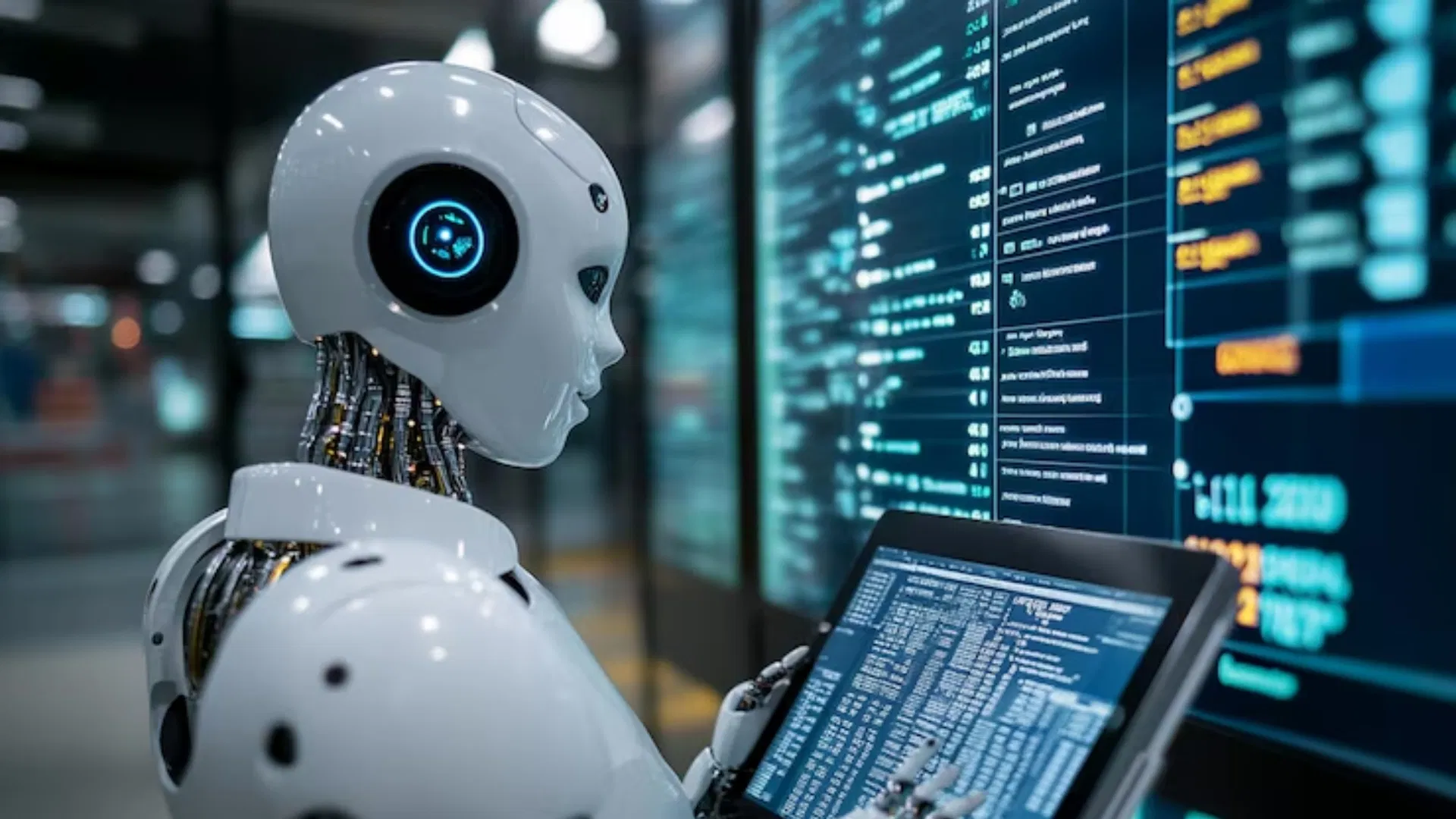
Kathmandu. Napoleon Bonaparte’s wartime secret message, which has been a mystery for more than two hundred years, has been able to be read in a few hours with the help of artificial intelligence (AI). This shows that the task of unearthing the hidden secrets in the historical record is no longer limited to scholars and experienced signologists.
The message, sent to a general in the French army in 1809, contained two dozen lines using symbols, numbers, and letters. This message, which has long been ignored in online educational archives, was solved by American AI engineer Carter Church.
Twenty-seven-year-old Church, using the latest model of ChatGPT maker OpenAI, opened the code in six hours. He said it could take weeks to do so using the traditional method.TAG_OPEN_div_60

} Church, who works for the American cybersecurity company SentinelOne, said he didn’t need much information about the code opening technology or the history of the time. After a few evenings of effort, he consulted with Satoshi Tomokio, a Japanese patent engineer. Tomokio has been keeping an online list of old codes that have not been solved.
According to the church, the key feature of AI is the ability to constantly try. He said that he felt great satisfaction and excitement after the secret of the message was revealed.TAG_OPEN_div_56
Tomokio said on his website ‘Cryptiana’ that the year 2026 will be remembered as the decisive year in unraveling the mystery of historical symbols. According to him, since mid-September, most of the signs on his list have been solved with the help of AI.
Researchers were already developing AI models to open up old signals. However, after the release of powerful general-purpose AI tools, the number of solved signals has increased significantly. Church used OpenAI’s GPT-6 Astra, while other researchers have used AI tools from the American company Anthropic.
{{TAG_OPEN_div_50} Tomokio said that some of the difficult signals will still remain a mystery. He said that unlocking those signals could be challenging in the coming years because there is little data useful for solutions.
TAG_OPEN_div_48 He said that although he was excited that the problems that had been stuck for a long time had been solved, he had mixed feelings when he saw that the AI had solved them easily. He said that a fellow indicator said that he felt worthless because of AI.
From mathematics to computer programming, AI is surpassing human capabilities, and there is also a growing concern that it will change the nature of employment or replace some work. However, it has opened up new possibilities in the study of history. AI has become useful in revealing clues from old documents to analyzing millions of medieval manuscripts and reading ancient texts.
Researchers in Italy are using X-rays and AI to study Herculaneum’s papyrus texts, which were burned to carbon during the eruption of the Vesuvius volcano in 79 AD. In June, researchers announced that they had opened one of hundreds of texts that could not be opened manually due to the risk of damage. It was confirmed to contain a book on morality.
Similarly, AI is being used to copy 10 million pages of Hebrew manuscripts and create a vast archive that contains rare sources of Jewish history and culture. Daniel Stoeckel ben Ezra, project head of the Paris-based Ecole Pratique de Ott Etud, said that such a large amount of data cannot be processed by humans alone.
He compared the repository of data generated from TAG_OPEN_div_40 the digital archive to the “giant Facebook of the past”. The researchers hope that this will help us discover the relationships between people, places and ideas in history.
The AI system has also been trained to copy 14,600 Latin pages of medieval records at Notre Dame Cathedral in Paris, the capital of France. This project has helped to study the historical record as complex as the task of opening old clues.
According to historian Julie Cloustrey, who is leading the
project, the records are administrative documents written by medieval notaries to brief decisions. They use technical terminology and complex writing styles.
The AI system has achieved 88 to 94 percent success in letter recognition. It has obtained information about the daily life of the church, construction work, staff, and the care of abandoned children.
Cloustre said that it will take several decades to copy such records by hand. According to him, the importance of AI is not limited to time savings. It is changing the way we study history by helping to research questions that were not possible before.TAG_OPEN_div_32
प्रतिक्रिया दिनुहोस्