U.S.-Iran deal: Strait of Hormuz reopened, tankers filled with oil safely cross the area
लगानी न्यूज
. The Strait of Hormuz, the world’s most important oil shipping route, is on the verge of reopening after the U.S.-Iran deal.
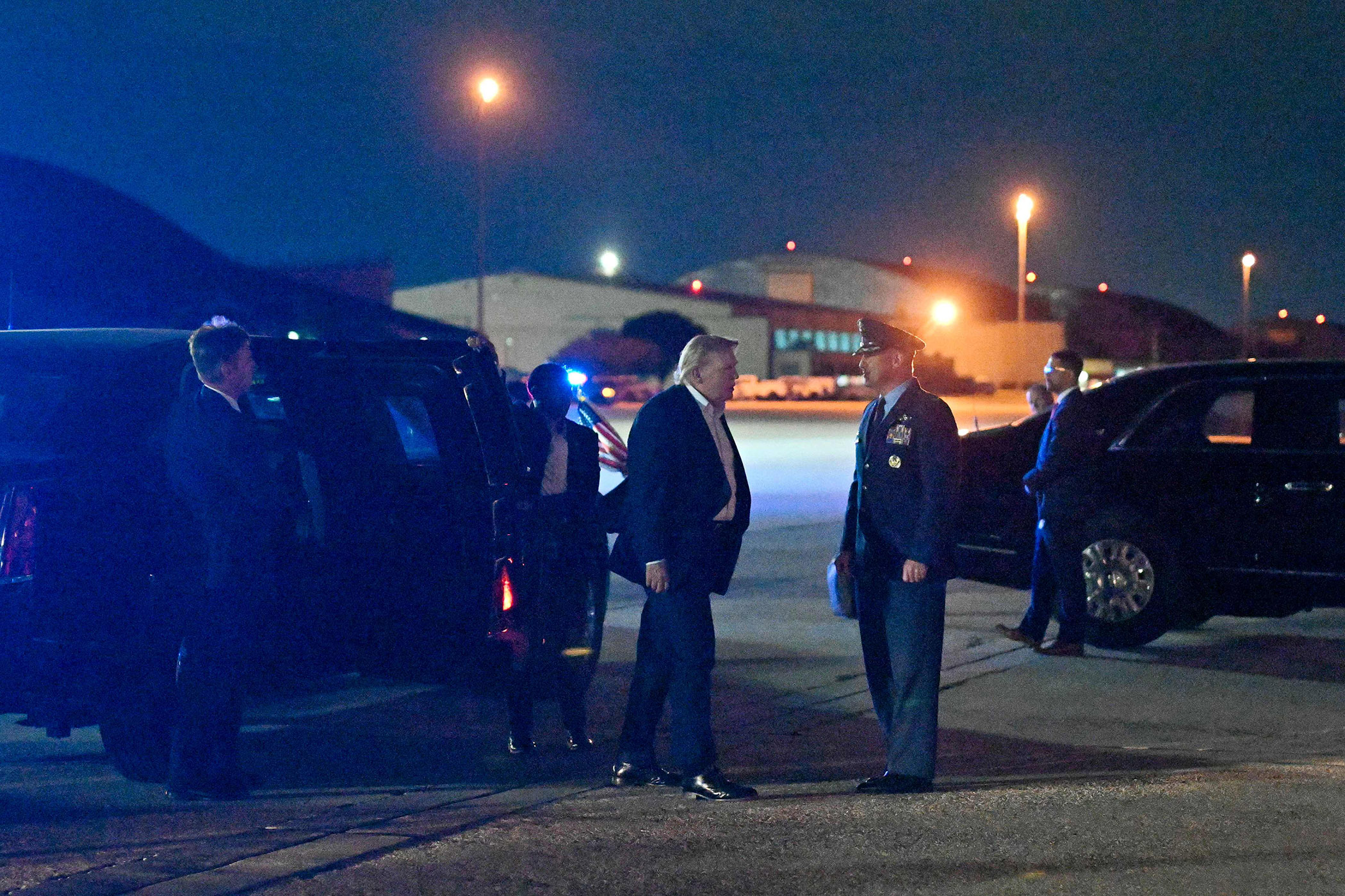
U.S. President Donald Trump said on Friday the strategic waterway would be “fully open” by Friday, raising hopes in energy markets after a deal to end the Middle East war.TAG_OPEN_div_58
According to Trump, ships are already moving through Hormuz and tankers filled with oil are safely crossing the area. He later said he would “not need a huge additional support” to keep the route open.
The agreement between Washington and Tehran after three months of conflict is seen as a turning point for the global economy.TAG_OPEN_div_54 World markets were volatile due to tensions following the US-Israeli attack on Iran in late February.
As soon as the news of the agreement was made public, there has been a positive reaction in the global market.TAG_OPEN_div_52 Wall Street’s Dow Jones index hit a historic high, while crude oil prices fell nearly five percent, raising hopes of easing energy supplies.
According to Iranian media, some oil tankers and cargo ships passed through the disputed waterway on Monday evening.TAG_OPEN_div_50 Since the start of the war, Iran has been accused of blocking the Strait of Hormuz, which has sparked massive inflation in global oil markets and raised fears of supply shortages.
Meanwhile, the United States, Iran and mediator Pakistan are set to sign a formal peace deal in Switzerland on Friday.TAG_OPEN_div_48 However, some US officials have said that the document has been electronically signed.
U.S. Vice President J.D. Vance has made it clear that no U.S. taxpayer money will go to Iran in the deal, describing it as a step toward a diplomatic solution.TAG_OPEN_div_46 He said Iran would work with the International Atomic Energy Agency (IAEA) to manage Iran’s highly enriched uranium stockpile.
Iranian officials have described the deal as an “immediate end” to the war.TAG_OPEN_div_44 Deputy Foreign Minister Kazem Gharibabadi said more talks would be held within two months to finalize the agreement. Iran’s military called it a “victory” and an “humiliation” for the US, while President Massoud Pezeskian called it a major achievement in the region.
But Iranian Foreign Minister Abbas Araghchi recalled the non-implementation of past agreements and said caution should be exercised.TAG_OPEN_div_42 According to him, the failed promises of the past have affected the trust of the present.
The detailed terms of the
agreement remain unclear. Iran has asked for the return of funds frozen abroad and reparations for war damage, while the US side has said it will release $12 billion in seized assets.
Vance clarified that no US money had gone to Iran and would continue to monitor sensitive issues.TAG_OPEN_div_38 It is also being discussed to allow international inspectors to enter Iran.
While the reopening of the Hormuz route and a possible peace deal have brought temporary stability to the global energy market, political disputes, regional security challenges and disagreements over the nuclear program remain, analysts say.TAG_OPEN_div_36
Even within Iran, there has been a mixed reaction to the deal.TAG_OPEN_div_34 While some citizens express hope for a return to normal, many are skeptical about long-term stability.
The deal is also expected to be a turning point in the context of regional tensions that spread to Israel, Lebanon and Gaza.TAG_OPEN_div_32 However, the Israeli side has indicated that it will not compromise its security interests.
The international community expects the reopening of the Strait of Hormuz and the possibility of a ceasefire to have a positive impact on global energy supplies and economic stability.TAG_OPEN_div_30

















प्रतिक्रिया दिनुहोस्