

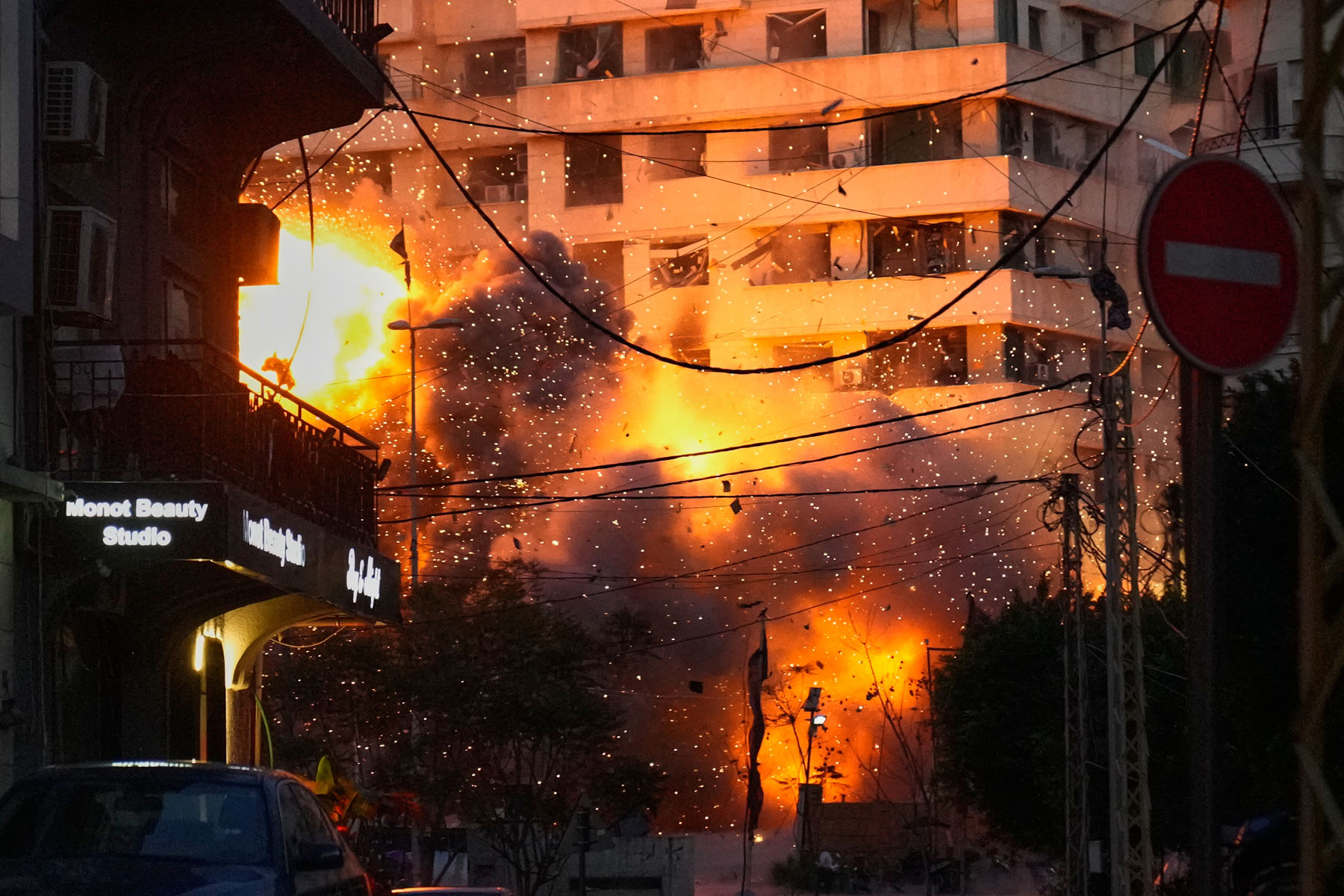
Kathmandu. Tensions between the United States and Iran have reached new heights. The failure of talks prompted the U.S. military to impose sanctions on Iranian ports on Monday, raising concerns that the regional war could escalate further, severely impacting the global economy and energy supplies.
US President Donald Trump has accused Iran of refusing to give up its nuclear programme after high-level talks in Islamabad ended inconclusively. After his vice president, J.D. Vance, pulled out of the talks, Trump signaled he would take tougher measures over the strategically important Strait of Hormuz.
According to US Central Command, from 1400 GMT on Monday, all Iranian ports in the Arabian Gulf and the Gulf of Oman will be embarged on ships entering or departing Iran. However, it has been clarified that the movement of ships to non-Iranian ports will not be disrupted. Trump confirmed the decision on his own social media, signaling that it was a limited but strategically important step from the initial statement.
Earlier, Trump had issued a stern warning to take full control of the strait. “The United States Navy will begin the process of intercepting all ships passing through Hormuz,” he wrote. He also warned of a strong response to any attack.
Iran has challenged the move. The Revolutionary Guards claim full control over the Strait of Hormuz and have threatened to retaliate against the US move. The speaker of Iran’s parliament, Mohammad Bagher Ghalibaf, vowed his country would not bow down to pressure, while navy chief General Shahram Irani called the US announcement “ridiculous”.
Iranian Foreign Minister Abbas Araghchi blamed the failure of the talks on US “maximum pressure” policy and a last-minute change of position. He said the agreement was “inches away”, but the blockade was over.
The developments have further complicated the war that has been going on since late February. The conflict that erupted after Israel and the United States invaded Iran has killed thousands of people and affected the global economy. Pakistan has continued its mediation efforts and called on both sides to maintain a ceasefire, but the maritime blockade could undermine that effort.
Meanwhile, the oil market has an immediate impact. WTI and Brent both rose again on Monday after falling last week to close to $100 a barrel. The disruption is expected to have long-term implications as the Gulf region supplies a large part of the world’s oil.
Tehran already controls the movement of some ships, giving priority to shipments to friendly countries. It has made the Strait of Hormuz the focal point of the war. Analysts have described the US sanctions as not just a sign of repression, but a move to re-escalate the war.

















प्रतिक्रिया दिनुहोस्