

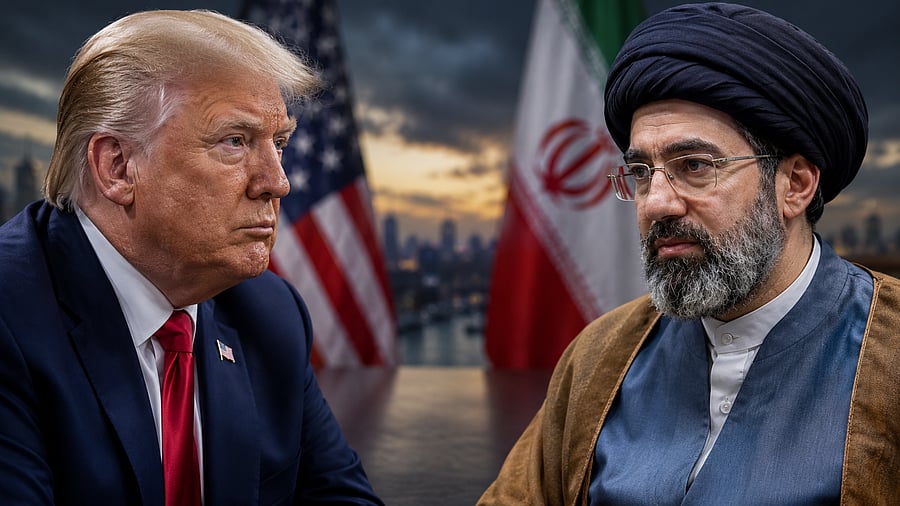
Kathmandu. As the ceasefire between the United States and Iran draws to a close, both sides have warned that they are ready for war.
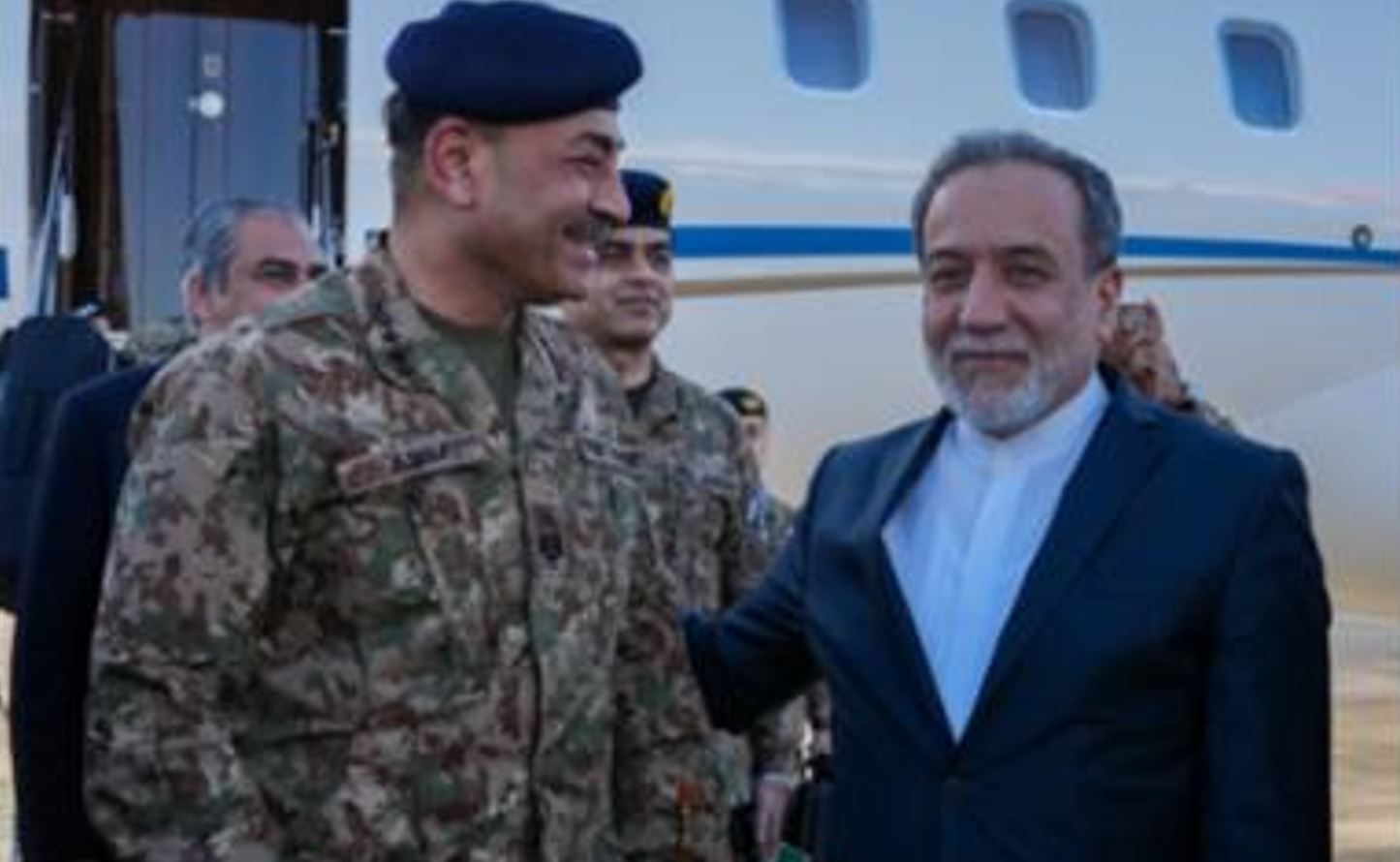
With the future of the talks uncertain, there are signs that diplomatic efforts will be refocused on Pakistan, but Tehran has not made a clear statement on participation.
According to the White House, Vice President JD Vance is expected to return to Islamabad to begin the second round of talks. But Iran has expressed “serious displeasure” with the US move and has maintained silence on whether to participate in the talks. Tehran has accused the US of violating the ceasefire by blockading its ports and seizing a ship.
Iran’s parliament speaker Mohammad Bagher Ghalibaf accused the US of using the talks as an instrument of pressure and said talks were “unacceptable” in an atmosphere of “threat”. According to him, in the last two weeks, Iran is preparing to show a new strategy on the battlefield. Meanwhile, Iran’s Revolutionary Guards has warned that ships crossing the Strait of Hormuz without permission will be targeted.
US President Donald Trump has accused Iran of violating the ceasefire by blockading ships in the Strait. He said Iran had blocked about a fifth of the world’s oil shipments since the US-Israel war on February 28. In a social media post, Trump claimed that the sanctions were weakening Iran and indicated that the pressure would continue until an agreement is reached.
Trump said Iran should be ready to join the talks when the ceasefire expires. He warned that if the ceasefire ended, a large-scale offensive could spark. However, he said it was unlikely that the ceasefire would be extended for some time.
Amid the risk of war, the price of oil in the international market has been falling. Markets have been hit by hopes of reopening the Strait of Hormuz after a US-Iran agreement. In Tehran, the ceasefire has returned to normal, but there is still uncertainty and economic pressure. Locals say the situation is not easy and the economy is weak.
Meanwhile, a separate ceasefire has been declared between Israel and Lebanon, in which Hezbollah is also involved. The two sides are preparing to hold talks again in Washington. But sporadic violence has continued in southern Lebanon, and Israel has warned civilians in some areas not to return.
The United Nations Security Council has condemned the killing of a French peacekeeper in Lebanon. Hezbollah has been blamed for the incident. Thousands of people have been killed in Lebanon due to the Israeli-Hezbollah conflict, according to government figures.
Another key issue of the US-Iran talks is Iran’s enriched uranium stockpile. Trump claimed that Iran had agreed to hand over the stockpile. However, Iran has denied the claim and said that the uranium will not be transferred anywhere. A spokesman for Iran’s foreign ministry said the issue had never been raised as an option in the talks.












प्रतिक्रिया दिनुहोस्