

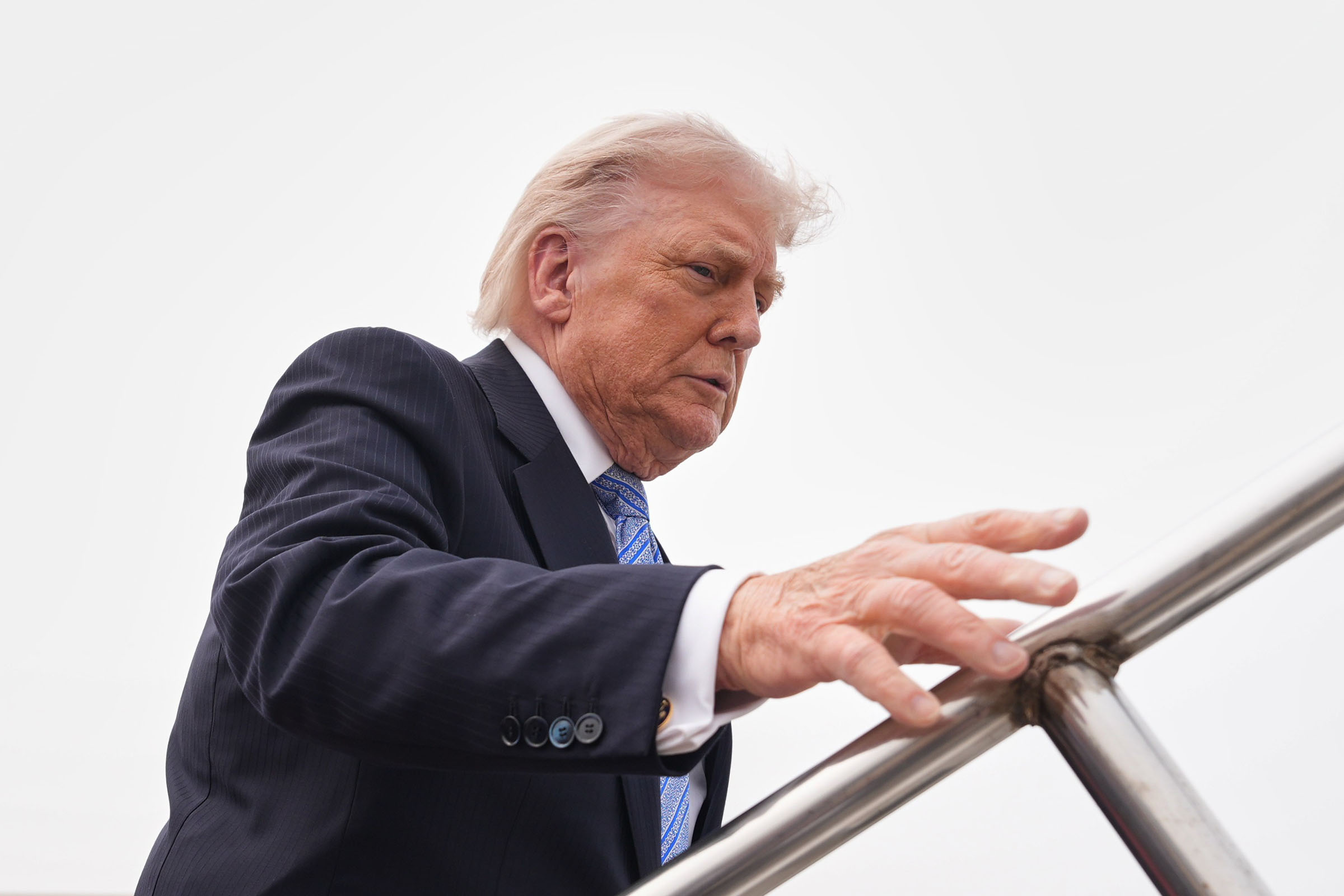
Kathmandu. The United States will announce new tariffs affecting dozens of trading partners, just as President Donald Trump’s temporary 10 percent tariff expires this week.
The U.S. administration is planning to impose new tariffs on about 60 business partners, accusing it of not taking effective action against forced labor.
U.S. Trade Representative Jamison Grier did not give a timeline, hinting that the new tariff decision would be announced soon. According to him, more steps will be taken in accordance with US trade policy on issues related to forced labor.
The provisional global import tariff, which began in February after the Supreme Court struck down a portion of the Trump administration’s tariff regime this year, will expire on Friday. According to analysts, a new tariff of 10 to 12.5 percent could be implemented in its place.
Under the new system, tariffs on US imports from Canada, the European Union, Mexico, Taiwan and the United Kingdom would be 10 percent. Imports from more than 40 major economies, including China, India and Japan, could impose tariffs of up to 12.5 percent. The European Union (EU) has expressed dissatisfaction over such tariffs, saying such tariffs are unfair.
The Trump administration has intensified trade pressure in recent days. Last week, a new 25 per cent tariff was announced on some Brazilian products, while a 50 per cent tax on many Canadian products will come into effect after 30 days.
Canadian Prime Minister Mark Carney said he had agreed to speed up talks with Trump in the coming weeks on a possible trade deal.
Meanwhile, President Trump announced new tariffs on imported generic drugs. According to him, from August 2028, there will be 100 percent charge on such medicines and the plan is to increase it to 200 percent by 2029. But he said tariffs on the drug would be reduced to zero for some time starting in August to boost US production.
The U.S. administration has said that the new trade action against forced labor will cover a large share of U.S. imports and re-stress global trade.
Talks with Canada have not progressed as expected even as talks between the United States and Mexico continue to intensify amid a review of the North American Free Trade Agreement (USMCA). Trade Representative Grier is scheduled to travel to Mexico this week to negotiate the deal.
Trade law experts say the U.S. strategy of using Section 338 of the 1930 tariff act to increase pressure on Canada could create more tensions between the two countries. They say this increases the risk of starting a cycle of retaliatory trade measures between the two countries.
Brazil’s decision to impose a 25 percent US tariff on goods has also sparked controversy. Items such as beef, coffee and parts for some planes will be exempt from the tariff, which will come into effect ahead of Brazil’s presidential election.
But Brazil’s American Chamber of Commerce warned the new arrangement would make Brazil one of the most restrictive countries on U.S. market access, cutting off more than $11 billion worth of exports.












प्रतिक्रिया दिनुहोस्