



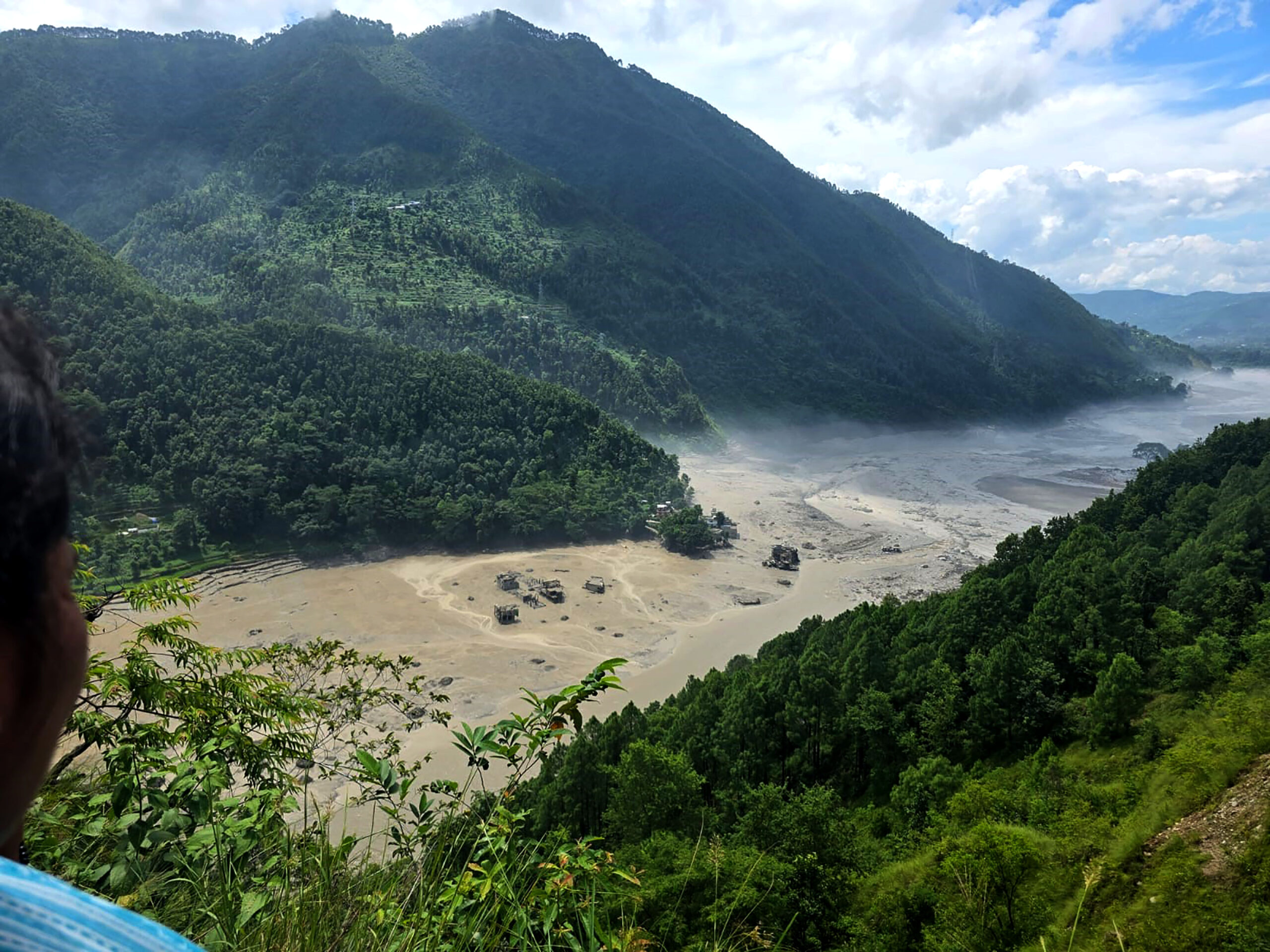
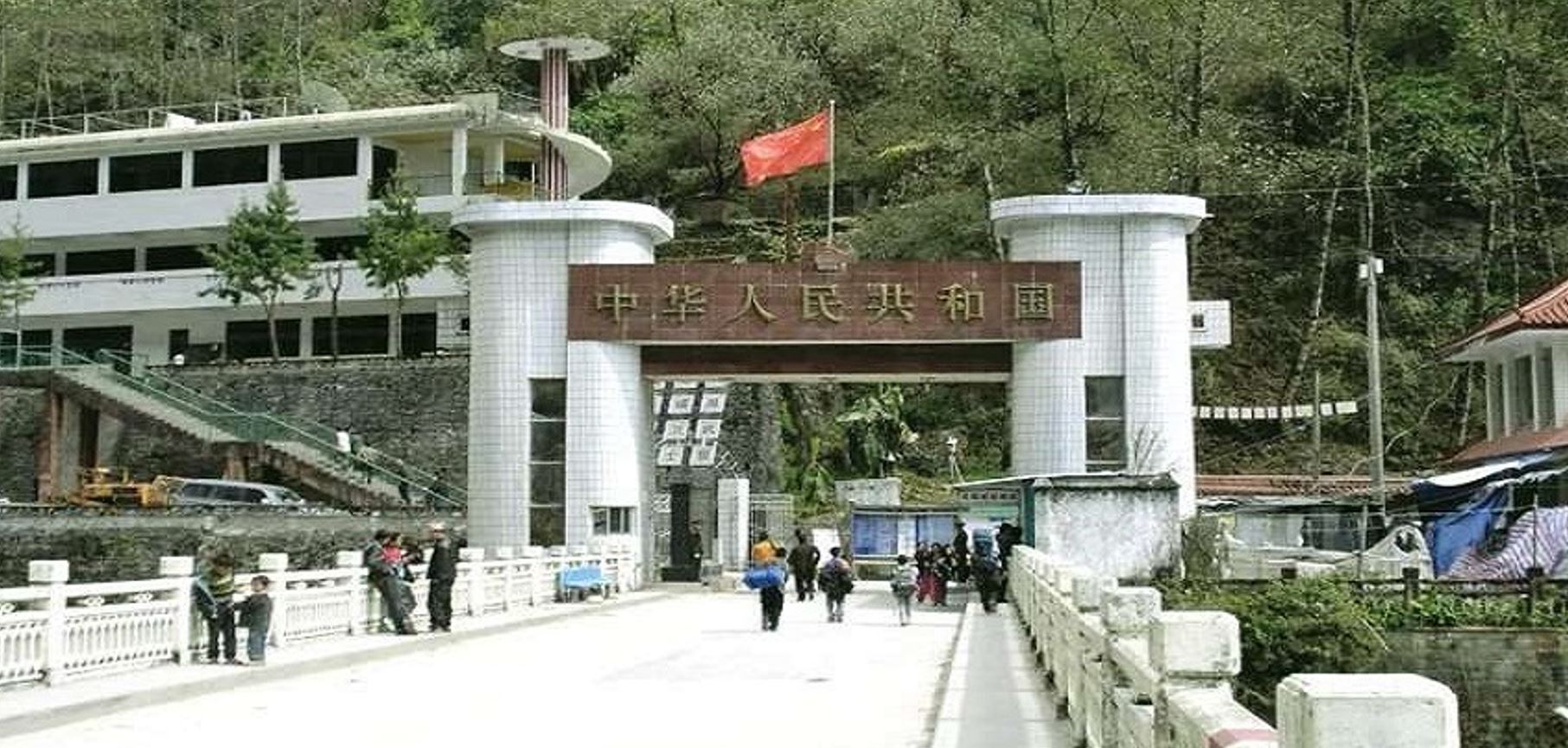
Kathmandu. Experts have said that the devastating floods and debris that killed at least 180 people in the Nepal-Tibet border region may have originated not due to ordinary floods or earthquakes, but after a large part of a large glacier collapsed in the high Himalayan region. According to preliminary studies, the strong flow of snow, rock, mud and water caused major damage in the lower areas.
According to Simon Cox, chief scientist at New Zealand’s GNS Science, a large part of the glacier appears to have fallen towards the valley from an altitude of about 5,200 meters. During the fall, the snow mixed with rock and mud and mud into a huge wreckage, which swept away trees, soil and other objects and traveled down at a high speed.
The incident was so powerful that the tremor was also recorded on the seismograph equipment. The incident, which occurred at 8:37 a.m. local time, was initially recorded as a 5.2 magnitude seismic event. However, after further analysis, the U.S. Geological Survey (USGS) concluded that there was no earthquake and that the tremor was caused by the collapse of the glacier and the flow of debris caused by it. Although it is not known how much of the glacier fell, Cox estimated that its volume could be between 500,000 and 1 million cubic meters.
Since the incident occurred in remote areas, experts are reconstructing the incident from satellite imagery and data from measurement stations on the ground. According to Lauren Vargo, a glaciologist at the University of Wellington, how much snow or other material has disappeared from the mountain can be found by comparing pre-incident and post-incident images.
According to Nepali officials, after the earthquake, the nearby water measurement station stopped transmitting information and other stations in the lower areas also gradually went offline. However, the water level at the center at Kalikhola reached 12.3 meters at 2:14 pm.
After the incident, the possibility of glacial lake burst floods, i.e. Glacial Lake Outburst Flood (GLOF), was also pointed out. Experts say that the risk of such lakes is increasing as the melting of glaciers increases due to climate change. Adrian McCallum, a glaciologist at the University of the Sunshine Coast, said that the large flow could have been created when the water accumulated in or under the glacier came out at the same time.
Some experts have said that there is no apparent glacial lake near the site. According to them, the water accumulated under the glacier may have flowed away at the same time when the dam collapsed after the ice fell or the falling glacier blocked the river for some time and built a temporary dam. Cox said that the water level in the river is already high due to the melting of the glacier in the summer and monsoon rains, so the water flowing with the debris has increased the power of the flood.
After receiving information about the flood at around 9 am, the Nepalese authorities had warned the residents of the Bhotekoshi River to be on high alert and stay in a safe place. However, it is yet to be clear how many people were informed and whether they had enough time to reach the safe place.
According to McCallum, such incidents are a serious risk to communities living under a large glacier or a potential glacial lake. Hatim Sharif, a hydrologist at the University of Texas San Antonio, said that escaping on foot or by vehicle may not be effective because the mixture of soil and water coming at high speed is very dangerous. According to him, getting to a higher altitude can be the main way to save lives.
While it is difficult to attribute the collapse of any one glacier directly to climate change, experts say that rising temperatures are putting long-term pressure on glaciers. As glaciers melt and dry up around the world, glacial lakes and other natural hazards are increasing, adding to the long-term water resource challenge for low-lying communities. According to Bhargo, an effective long-term way to reduce the risk of such disasters is to limit global warming by reducing greenhouse gas emissions.














प्रतिक्रिया दिनुहोस्