

Kathmandu. With the determination of the wheeling charge for the use of the National Electricity Transmission Grid for the first time in Nepal, the development of the electricity sector will no longer be limited to production and the basis has been prepared for the expansion of private sector’s participation in transmission and electricity trade.
The Electricity Regulatory Commission (ERC) has issued the ‘National Electricity Transmission Grid Transmission Fee Calculation Standard, 2083’ and determined the transmission fee for the fiscal year 2083÷84.
According to the rates fixed by the commission, the transmission fee will be around Rs 4,13,000 per MW per month for the use of medium and long-term open access and 57 paise per unit for short-term open access. This decision is not limited to fixing the fee.
This has laid the groundwork for the use of national transmission infrastructure as a common system among power producers, traders and buyers. This is an important step towards creating an environment where producers who meet the necessary regulatory and technical conditions can sell power to alternative buyers and large consumers can buy electricity from alternative sources.
Private Sector in Post-Production Transmission and Trade
The private sector’s investment in Nepal’s electricity sector is mainly focused on hydropower generation. After the private sector had invested billions of rupees, it had to depend on a limited market and transmission system for the sale of electricity.
With the determination of the wheeling charge, there is now a possibility for the private sector to participate in transmission and trade along with electricity generation. If the open access system is implemented effectively, an environment can be created for direct electricity transaction among electricity producers, commercial companies and large industrial consumers. The transmission network of the Nepal Electricity Authority can be used by paying a fixed fee, so the option of supplying the generated electricity to the market will be expanded. This can lay the foundation for B2B electricity transaction, direct power purchase and sale and competitive electricity market development.
New Prospects for Investors
For investors who invest in power generation, the question of where and how to sell electricity after generation is important. If the production capacity increases but the market and transmission access is not ensured, then the investment risk will also increase. Once the wheeling charge is determined, the cost of using the transmission system can be predicted, so the uncertainty about market access for investors can be expected to be reduced.
This can expand the possibilities of private transmission lines, power trading companies, direct power purchase agreements, energy storage and investment along with additional investment in hydropower and solar projects. It can also help in the development of infrastructure and market mechanisms necessary for inter-country electricity trade in the long run. It can provide an opportunity for the private sector to participate in the production-transmission-trade-consumption chain by expanding the role of investing only in power generation.
Policy Initiatives of Energy Minister
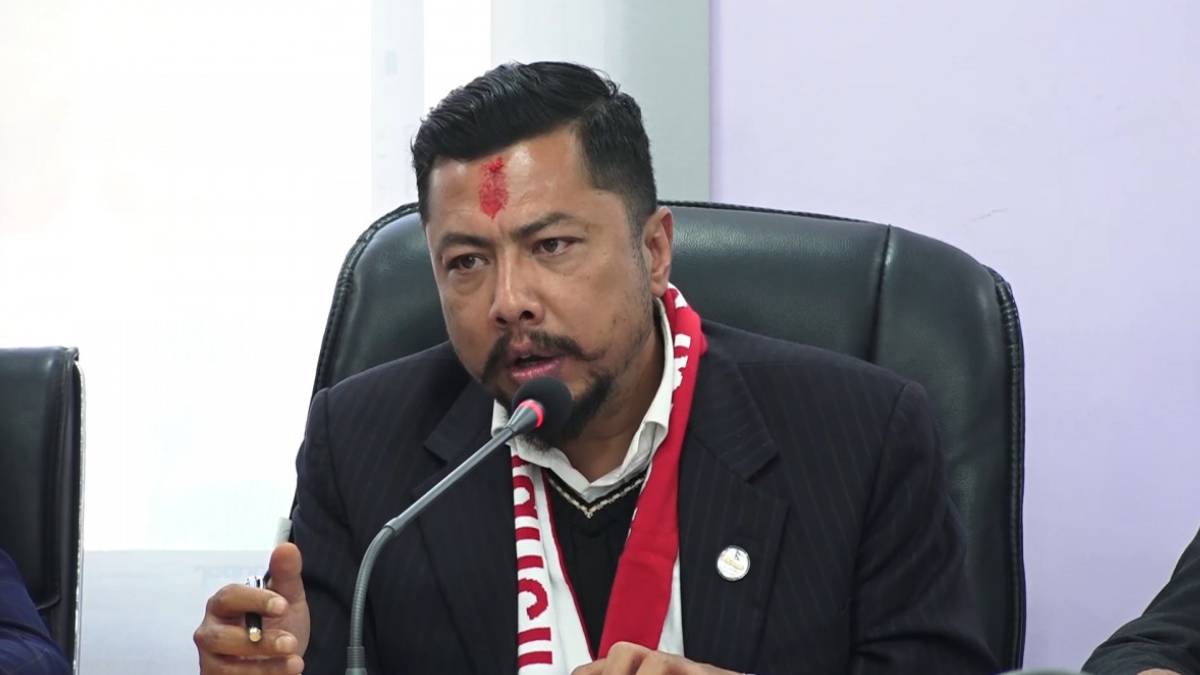
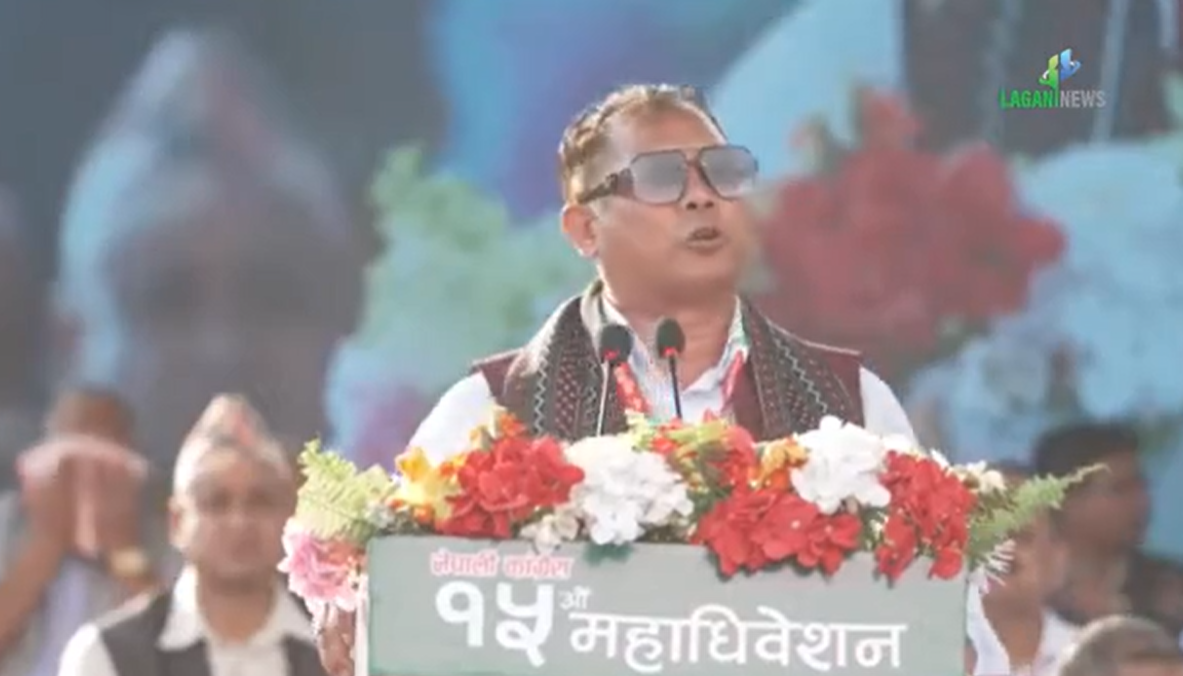
Minister for Energy, Water Resources and Irrigation Biraj Bhakta Shrestha said that the policy priority given to the open access system is an important aspect in the process of determining the wheeling charge. Minister Shrestha, in a 32-point executive directive issued last April, had given the responsibility to the Electricity Regulatory Commission to determine the wheeling charge required for the implementation of the open access system in the electricity sector. After that, the commission started the necessary regulatory process and fixed the transmission charge.
In this sense, the wheeling charge is not just a tariff fix, but also a step towards the implementation of the government’s policy of creating an open access and competitive electricity market. Minister Shrestha described the decision as an important step in terms of impact in the energy sector. “Although it may seem like a small step, it is a big leap forward for the energy sector,” he said.
Minister Shrestha stressed on the need to formulate policies and rules so that there is no additional financial burden on the general consumers while implementing the new system, based on international good practices and revising the cost and return as per the time. It also clarifies the government’s view that open access should be promoted not only as a provision to facilitate the private sector but also as a regulatory framework that maintains a balance between producers, broadcasting systems and consumers.
Private Sector Policy Support
}
Although the private sector has been investing in hydropower generation for a long time, it has been demanding a clear and stable policy base to expand its role in transmission infrastructure and electricity trade.
The determination of wheeling charge has laid an important foundation in this direction. Now, with investment in generation projects for the private sector, the possibilities of construction of transmission lines, electricity trade, power supply agreements, and direct transactions with big consumers can be expanded.
The expansion of private investment in transmission and trade can lead to the development of new business models in the energy sector and also create an environment for industries to get electricity at competitive prices in the long run. This is likely to attract more investment.
Private investment in broadcasting infrastructure
Another important aspect of determining the wheeling charge is the possibility of private investment in transmission infrastructure. The pace of transmission infrastructure construction is more challenging than hydropower generation in Nepal. Even if the projects are completed, there is a problem in transporting the generated electricity to the market due to lack of adequate transmission infrastructure.
Providing an opportunity for the private sector to invest in transmission infrastructure within a certain regulatory framework can help reduce the infrastructure gap between generation and market. This is also likely to gradually reduce the entire financial burden on the government and the Nepal Electricity Authority for the construction of transmission infrastructure.
Cost-based fee
According to the commission, the NEA has determined the transmission fee based on the audited financial statements of the Nepal Electricity Authority (NEA) for the fiscal year 2081÷÷82 and the annual required income estimated by the NEA for the fiscal years 208283 and 2083÷84.
The criterion provides for the calculation method for determining the broadcasting fee and the cost and return to be included in the annual required income. It includes the cost of depreciation, interest on loan, staff and operating expenses, cost of broadcasting services, return on self-capital investment, foreign exchange expenses and income tax.
Provision has been made that the tariff can be determined in an appropriate manner between the installed capacity or the energy flowing on the basis of the capacity of the transmission system and the power flow. It aims to lay the groundwork for the judicious recovery of the cost of operating the transmission system and the proper distribution of the cost among the system users.
Debate
The private sector is of the view that the rates fixed in the initial phase may appear to be a bit higher. Taking the long-awaited decision as a positive note, the private sector has pointed out the need to further refine the fee based on the upcoming practice and experience.
When the new market structure is introduced, it will be clear from practice how the initial fee will affect the economic relationship between the producer, the transmission system operator and the consumer. Therefore, the wheeling charge should be considered as a system that is regularly reviewed on the basis of the actual use, cost, market expansion and international practices of the system rather than a static structure. Minister Shrestha also said that since the wheeling charge is reviewed every year, the problems and areas of improvement that are seen during the implementation can be gradually addressed.
Market Expansion Basis
Electricity generation in Nepal is increasing rapidly. As production increases during the rainy season in the coming years, the expansion of internal consumption, the increase in industrial demand and the trade with the external market will have to be carried forward in parallel. For this, it is not enough to increase production alone. A transmission system to take the generated electricity to the market, a market mechanism for buying and selling electricity and open access to connect various aspects are needed.
Wheeling charge is an important basis of this structure. Along with its effective implementation, additional rules related to electricity trade, available capacity of the system, grid management, electricity measurement and direct purchase of electricity to large consumers will also have to be systematized.
energy-based economy
Nepal’s energy sector can no longer be limited only to the phase of increasing electricity production. There is a need to build an energy-based economy by linking increasing production with domestic consumption, industry, electricity trade and regional markets.
The determination of wheeling charges has opened an important institutional door for this change. It can be seen not only as a fixed tariff per megawatt or per unit, but also as the initial infrastructure of the process of making Nepal’s electricity market gradually open, competitive and private investment friendly.
The government should give policy priority to open access, give the commission the responsibility of determining the wheeling charge at the initiative of Minister Shrestha, the commission should fix the fee through cost-based criteria and the private sector should take this as an opportunity for new investment and trade. These aspects have also prepared the basis for developing post-production transmission and electricity trade as attractive areas of investment in Nepal’s energy sector.
Now, its real achievement will depend on its effective implementation. The introduction of wheeling charges alone will not make the market fully competitive; but it has opened an important door to the regulatory, commercial and infrastructural support needed to move in that direction.












प्रतिक्रिया दिनुहोस्