Iran-US talks make initial progress: Keep the Strait of Hormuz open, prevent another flare-up in Lebanon
लगानी न्यूज
Preliminary progress in Iran–U.S. talks
. WASHINGTON (AP) — Iran-US talks aimed at easing tensions in the Middle East have made initial progress, according to mediators.
The two sides agreed to keep the Strait of Hormuz open and establish a communication mechanism to prevent recurrence of conflict in Lebanon.TAG_OPEN_div_66
Pakistan and Qatar have said that the talks were held in a positive and constructive atmosphere after the first round of talks held in the Swiss resort of Burgenstock.TAG_OPEN_div_64 According to them, necessary mechanism has been put in place to take forward further discussions at the technical level. It was also agreed to establish a direct link channel in the Strait of Hormuz to prevent any incident or misunderstanding to escalate tensions.
{{TAG_OPEN_div_62} A de-conflict cell has also been set up to coordinate between the parties concerned and the Lebanese authorities to prevent the eruption of violence in Lebanon. The technical talks will continue in Switzerland for the rest of the week.
The delegation led by U.S. Vice President J.D. Vance and Iran’s parliament speaker Mohammad Bagher Galibaf began formal talks on Sunday.TAG_OPEN_div_60 According to the preliminary agreement reached last week, the talks will take two months.
After a joint Israeli and US attack on February 28, Iran effectively blocked the Strait of Hormuz.TAG_OPEN_div_58 After this, regional tensions intensified. Lebanon was plunged into war after Iran-backed Hezbollah attacked Israel, and Israel responded with a massive airstrike.
After a long period of failed attempts, the United States and Iran finally signed a memorandum of understanding to end the war.TAG_OPEN_div_56 The agreement also included a provision to end the war between Israel and Hezbollah. However, there have been repeated clashes in Lebanon since then.
Iranian Foreign Minister Abbas Araghchi praised Pakistani and Qatari mediation, saying there was “significant progress” toward ending the Lebanon war.TAG_OPEN_div_54 “Sanctions on oil and petrochemical exports have been eased, sanctions have been lifted, some frozen assets have been lifted, and plans have been launched for the reconstruction and development of Iran,” he said.
The initial phase of the
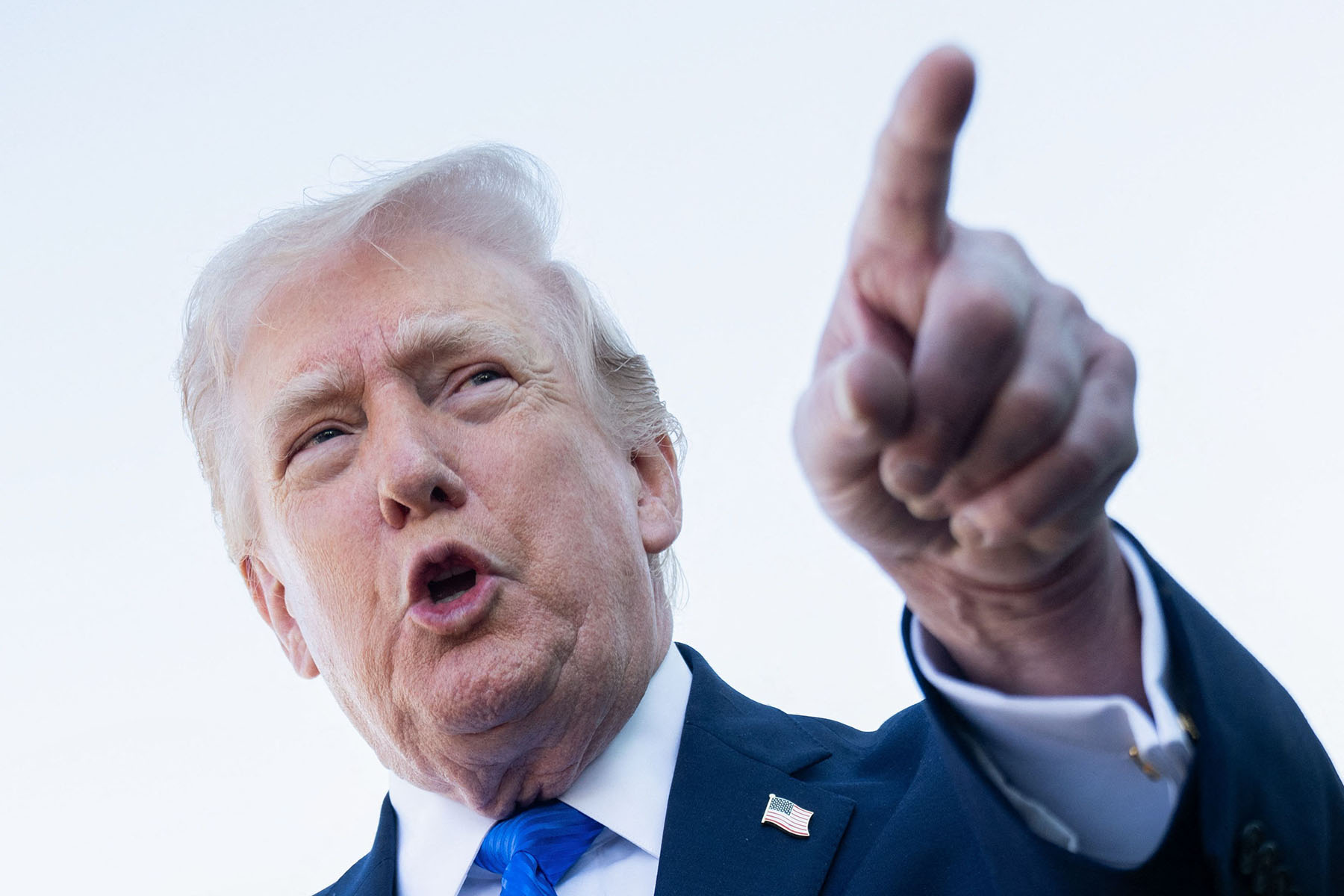
negotiations was tense. Iran’s delegation briefly walked out of the summit after US President Donald Trump accused Iran of supporting Hezbollah and threatened to attack Iran.
Trump has threatened to take action against Iran if it fails to stop its pro-Lebanese groups.TAG_OPEN_div_50 In response, Iran’s chief negotiator Mohammad Bagher Ghalibaf said that Iran’s armed forces are ready for any situation.
Meanwhile, Israeli Prime Minister Benjamin Netanyahu pledged to stay in southern Lebanon as long as necessary and not allow Iran to acquire nuclear weapons.TAG_OPEN_div_49
As of Sunday evening, there were no reports of new Israeli attacks or major military clashes in southern Lebanon.TAG_OPEN_div_47 Some local residents have started returning to their homes cautiously. However, the Israeli-Hezbollah conflict has repeatedly challenged peace efforts.
The U.S.TAG_OPEN_div_45-Iran talks were abruptly suspended after four Israeli soldiers were killed in Lebanon on Friday.
The Israeli army chief, Lieutenant General Eyal Zamir, claimed that Hezbollah had been “severely weakened” during a visit to southern Lebanon.TAG_OPEN_div_43 Hezbollah has suffered heavy losses and Israel is ready to stop its restructuring, he said.
According to Lebanon’s health ministry, more than four thousand and one hundred people have died in the conflict.TAG_OPEN_div_41
U.S. Vice President J.D. Vance described the summit in Switzerland as a “historic meeting” and expressed optimism about the possibility that the two sides can work together to change the future of the Middle East.TAG_OPEN_div_39 “The main question now is whether to return to the old conflict path or build new relations,” he said.
However, there is no indication that there has been any substantive discussion in the talks about the pro-Iran armed groups operating across the region.
Meanwhile, Iranian President Massoud Pezeskian has made it clear that Iran will not relinquish its right to enrich uranium, reiterating that his country has no intention of developing nuclear weapons.TAG_OPEN_div_35 He said that Iran has no plans to build a bomb.
















प्रतिक्रिया दिनुहोस्